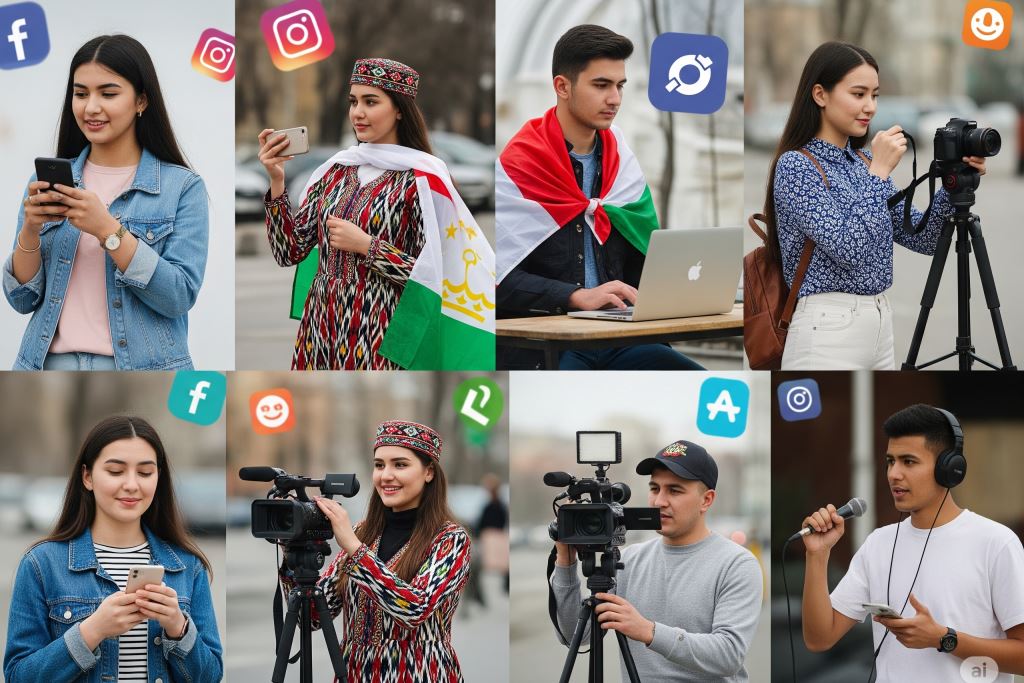
Blogging has long ceased to be just a pastime. Today, it serves as a platform for self-expression, discussion of pressing issues, finding like-minded people, and even earning a living. Content is created by ordinary people—without strict boundaries, except those set by social media platforms themselves. But should the authorities step in to make content “safer” for society? And why is this even a question?
At a recent press conference, the Ministry of Culture announced plans to amend the country’s "Information Law" and Information Code to regulate the activities of bloggers. The ministry explained its initiative as a response to concerns that many bloggers lack basic language skills and understanding of blogging principles.
A draft instruction aimed at preventing misconduct by amateur artists and content creators has already been developed. Ministry officials stressed that they are proceeding cautiously, as overregulation could discourage new bloggers and reduce overall activity.
Who are bloggers, anyway?
According to Nargis Kasimova, a blogger and media expert, before introducing any regulations, it’s important to first define who exactly a “blogger” is.
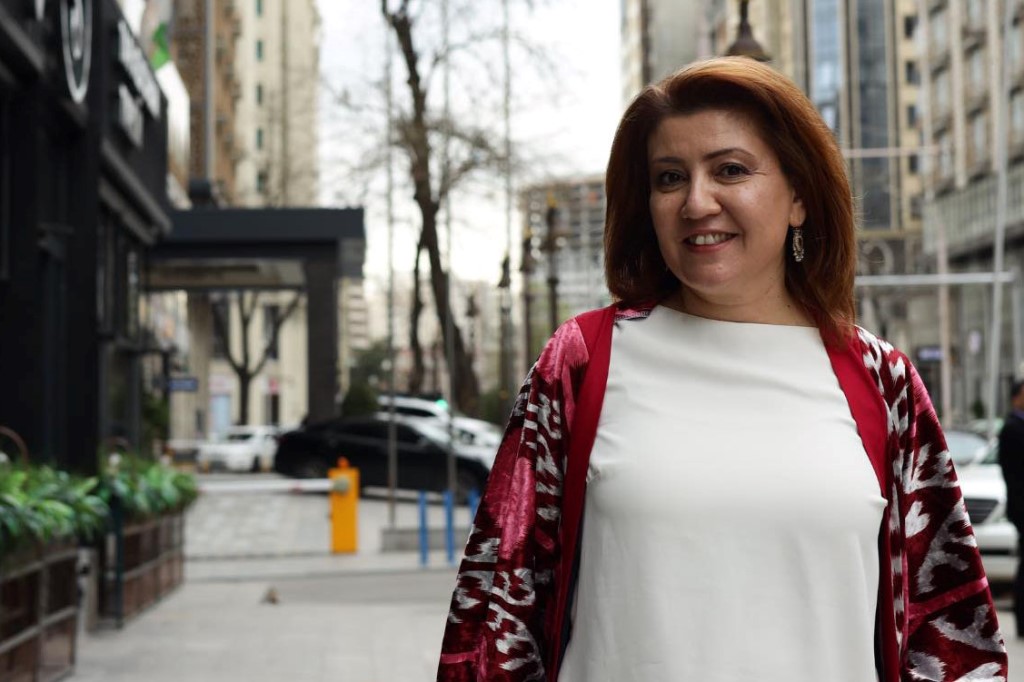
"Who do we call a blogger? Someone who creates content? That could be any of us. So, the rules are the same for everyone: don’t harm, don’t insult, don’t incite violence. And it doesn’t matter whether it’s a male or female voice," she said.
In general, Kasimova points out that it’s difficult to impose tastes on people, especially online. Banning content is impossible, and fostering a culture of content consumption is even harder.
“People consume low-quality content, especially in Tajik, because there are few alternatives. Until professionals—journalists, editors, and screenwriters—enter the blogging space, the situation won’t change,” she argues.
Personal diaries and important conversations
Among Tajik bloggers, many are young women who often tackle topics that are traditionally avoided in society: violence, harassment, child marriage, and cruelty to animals.

Anusha Rahimova, a 16-year-old blogger, has been creating content since childhood. She compares her blog to a personal diary, where she can share her thoughts, capture important moments, and inspire others.
“For me, topics such as women’s rights—especially in Central Asia—self-expression, and motivation are very important. I want people to feel that being yourself is cool. Recently, I’ve become more interested in social issues, but I still balance that content with vlogs, beauty tips, and snippets of everyday life,” Anusha says.
She admits that she used to fear judgment but has since learned to ignore negativity and see her blog as a path to self-development and self-discovery.
“We’re just learning”
According to media expert Rustam Gulov, blogging in Tajikistan is still in its early stages. “It’s clear that this is happening unconsciously, through trial and error. The blogging market is small, there are few professional players, and competition is weak,” he notes.
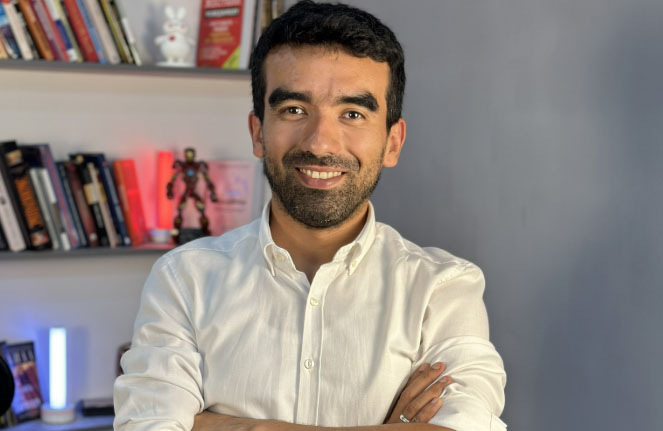
Today, starting a blog requires only a smartphone and the desire to create. As a result, Gulov points out, quality suffers both technically and content-wise.
More importantly, he believes that to elevate blogging to a more "mature" and "safe" level, authors need to be allowed to create freely. “The problem is that young people are being taught blogging by those who have never run a blog themselves and have no idea what it’s all about,” he says.
Blogging is an evolutionary process, Gulov adds. By creating barriers, we risk losing an entire generation of future media voices.
“Low-quality content has always existed, and it always will. We shouldn’t try to ‘protect’ against it. Fines, punishments, and discrediting will only drive away new authors. While bloggers in other countries develop and grow, we’ll be left wondering why we no longer have people who can stand up for the country when it’s needed,” he warns.
Bloggers as new media
Blogger Shahzoda Mansourova believes that it is through blogs that young women have started to share personal stories about abuse, harassment, and rights violations. These voices speak out on issues that were once silenced, helping not only to gain support but also to prevent further tragedies.
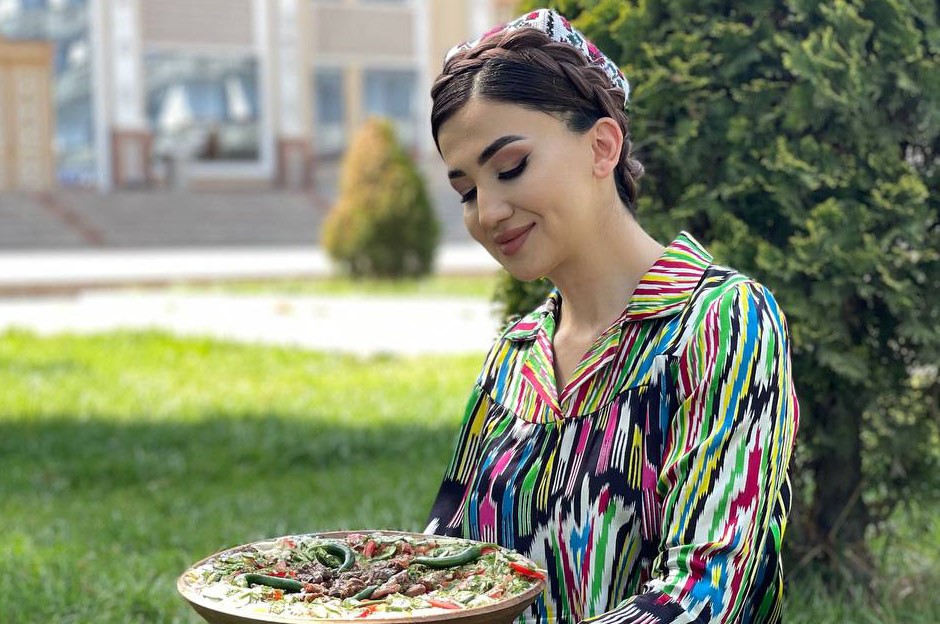
Recently, a case was uncovered involving an English tutor who had been harassing his students for years.
“Initially, several of his former students reported the issue on social media. When the topic was picked up by female bloggers, it turned out to be far from an isolated case. They began receiving new stories. Without this media exposure, nothing would have happened,” Shahzoda explains.
She insists that limiting freedom of expression is not the solution. Rather, what is needed are unified rules that apply to all social media users.
“I really hope that these rules will be the same for everyone. Immoral behavior exists among regular users too. Especially anonymous accounts, where women often face insults, threats, and even incitement of ethnic hatred,” she emphasizes.
Her colleague, media expert Viktoria Petrova, agrees. She believes that simply being a woman is an act of courage in Central Asia, and being a female content creator makes this even more significant.
“The fact that women continue to create content in such a toxic environment says a lot. Being a woman here is an act of bravery. Perhaps we should just admit that,” Petrova says.
Although women’s blogs are still rare in the country, Petrova notes, many young women are eager to start their own. Today, having a media presence is crucial—even for professionals. It’s no longer just a hobby but a part of one’s professional identity and a new reality.
The need for diverse voices
Petrova stresses the importance of diverse voices, particularly women’s voices, in media, especially where traditional journalism is limited.
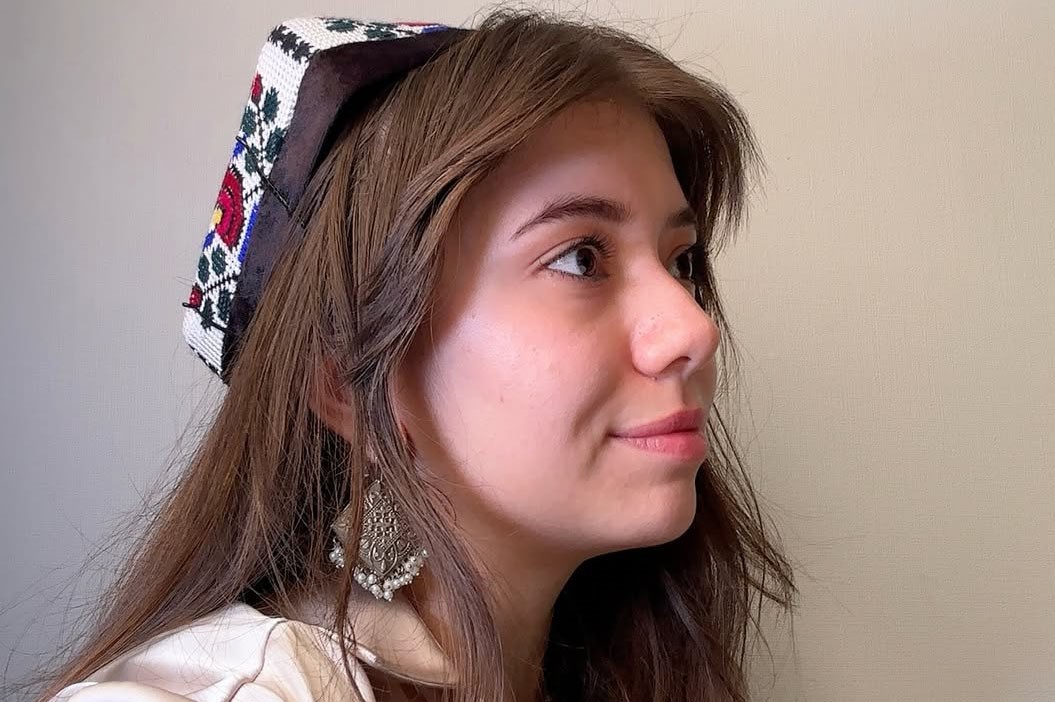
“There’s an imbalance in the content produced for Central Asia—the audience is predominantly male. But that doesn’t mean the female audience doesn’t need attention. It does. A lot. And that’s why I continue to speak, create, and show—so those who watch know that it’s possible,” she concludes.