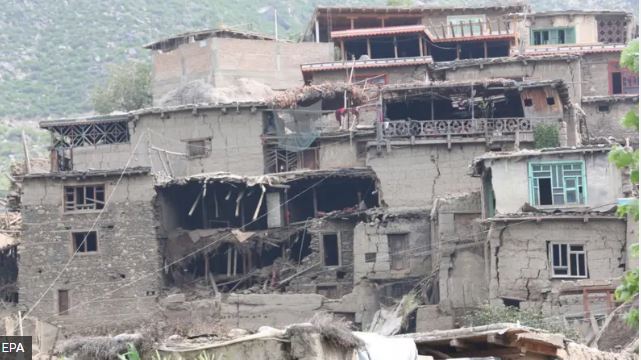
In Afghanistan, the death toll from a magnitude 6.0 earthquake has reached 2,200. The earthquake struck the eastern part of the country on August 31, becoming one of the most devastating earthquakes in recent years.
Most of the casualties occurred in the mountainous province of Kunar, where, according to the Taliban government, 2,205 people were killed and at least 3,640 were injured. Additionally, 12 people were killed and hundreds were injured in the neighboring provinces of Nangarhar and Laghman.
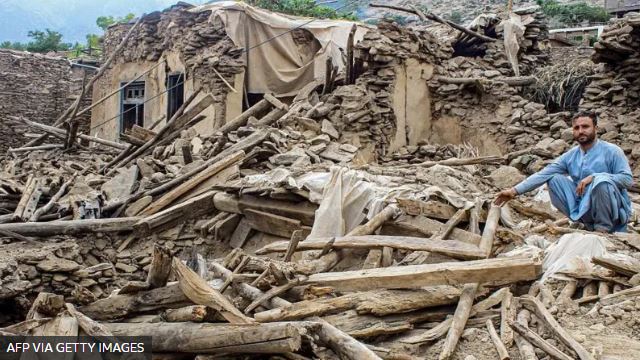
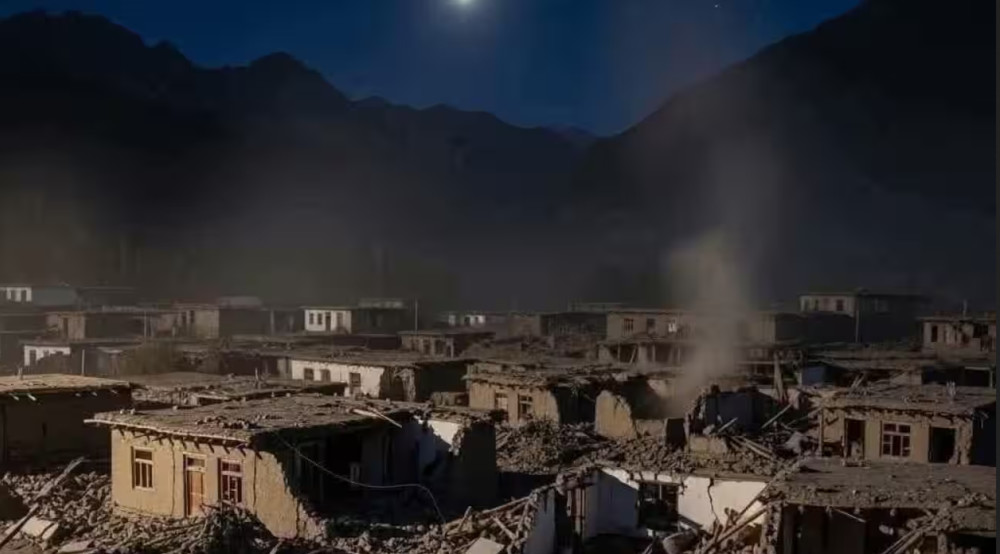
Hundreds of bodies have been discovered under the destroyed houses during search and rescue operations, which continue despite the region's difficult accessibility. Aftershocks are causing new landslides and blocking mountain roads, making it difficult to deliver aid, according to the BBC.
Several countries have already sent humanitarian aid to Afghanistan. The United Nations has allocated $5 million for temporary housing, food, and medical supplies for the affected areas. The United Kingdom, China, India, and later Australia and the European Union have also provided assistance.
China has pledged about $7 million in emergency support, including tents, blankets, and food.
However, in the Nurgal area, hundreds of residents are still sleeping outside, using only pieces of tarpaulin found in the ruins.
The situation remains dire. In the Mazar-Dara valley, a fight broke out during the distribution of food. "People are starving, and we haven't eaten in a long time," – said Zahir Khan Sofi, a 48-year-old local resident, to AFP.
The World Health Organization has warned of overcrowded local hospitals and a shortage of medicine and staff. The WHO has requested $4 million to carry out urgent medical interventions and expand the work of mobile teams.
"Every hour is vital," – said Jamshed Tanoli, head of the WHO's emergency response team in Afghanistan. "Hospitals are overcrowded, families are mourning the dead, and survivors have lost everything."
The situation has been further complicated by the withdrawal of US aid in January, which has accelerated the depletion of emergency supplies and logistical resources.
The UN calls the earthquake a "crisis in a crisis."
According to Filippo Grandi, the head of the Refugee Agency, more than 500,000 people have been affected.
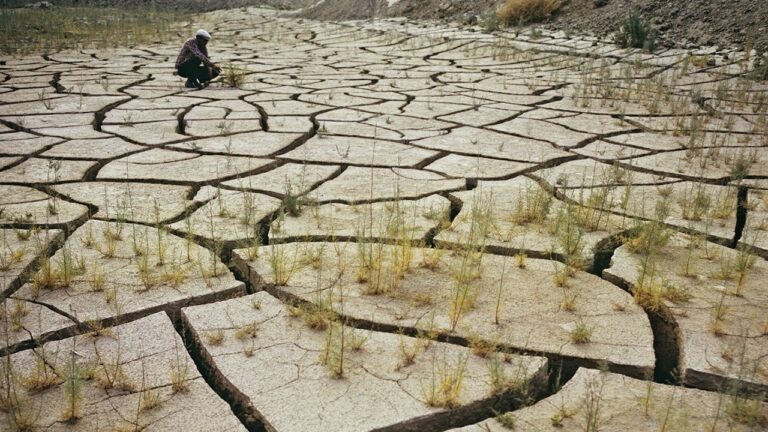
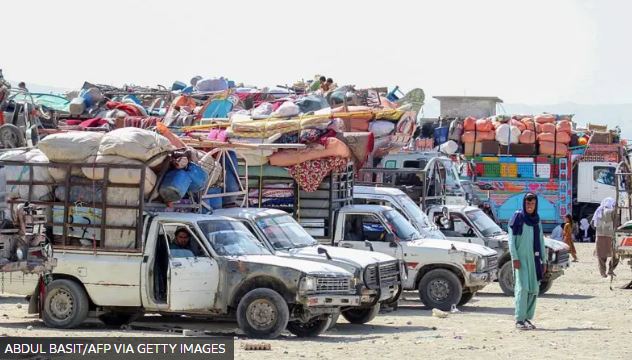
The country is simultaneously experiencing chronic poverty, drought, and an influx of Afghans who are being forcibly returned from Pakistan and Iran. This week alone, more than 6,300 people have crossed the Torgham border crossing in Nangarhar province.
"The forced return is a significant pressure on Afghanistan and humanitarian organizations, which are already facing reduced funding for long-term assistance," – said Charlotte Slente, Secretary-General of the Danish Refugee Council, to AFP.
For Afghanistan, the topic of earthquakes is particularly acute: the Indian tectonic plates, which collide in the south, southeast, and east of the country, cause powerful tremors. The country ranks 12th in the world in terms of seismic activity, according to Ferghana.
According to Reuters, at least 355 earthquakes with a magnitude of over 5.0 have occurred in the country over the past three decades. These disasters have claimed the lives of thousands of Afghans. Experts are urging the Taliban authorities to develop programs to protect the population living in the most dangerous areas.