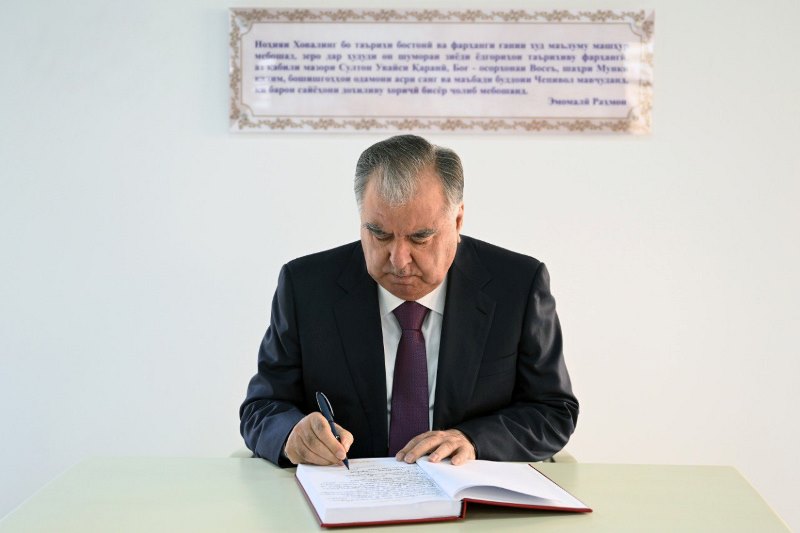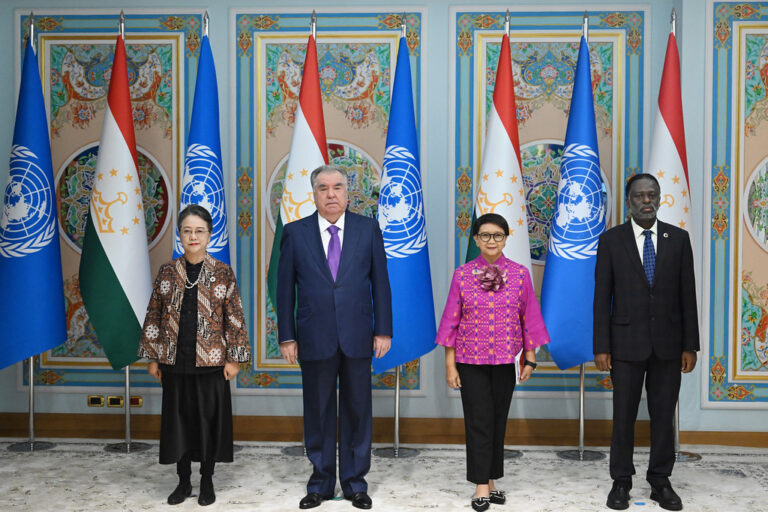
Emomali Rahmon opened a Stone Age museum in Khovaling

On the morning of September 11, President Emomali Rahmon arrived on a working trip to Khovaling district of Khatlon region, where he opened a number of new facilities and got acquainted with the living conditions of local residents. The first facility put into operation was the building of a private educational institution, the "Jalol Ikromi […]

Asia-Plus

On the morning of September 11, President Emomali Rahmon arrived on a working trip to Khovaling district of Khatlon region, where he opened a number of new facilities and got acquainted with the living conditions of local residents.

The first facility put into operation was the building of a private educational institution, the "Jalol Ikromi Gymnasium". It was built on the initiative of businessman Abdullo Hasanov in honor of the 35th anniversary of Tajikistan's independence, the presidential press service writes.
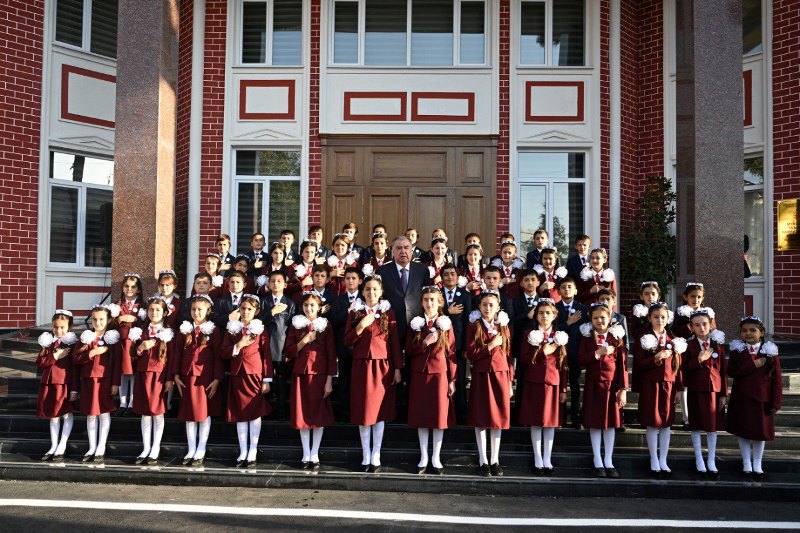
The gymnasium is designed to train 456 students in one shift.  The project cost of the gymnasium was 5.5 million somoni.
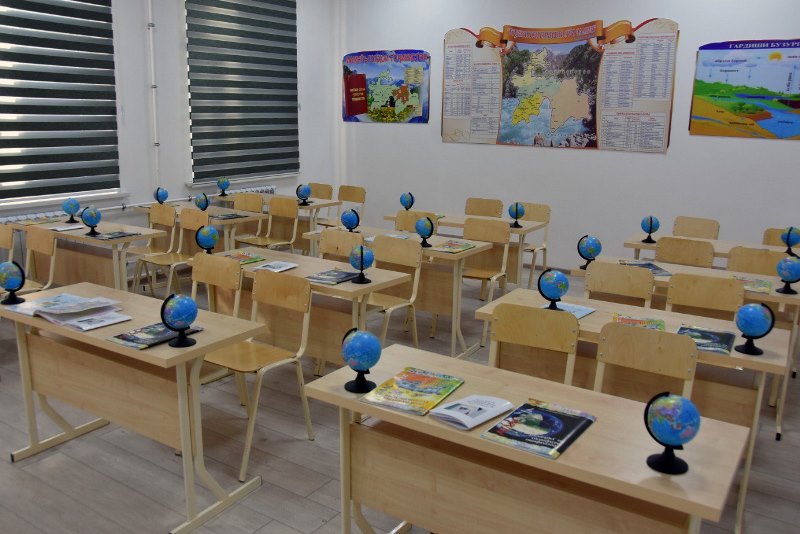
The modern building is equipped with an electronic library, an indoor sports hall, a playground, specialized classrooms, three laboratories (physics, chemistry, biology), as well as a dining room and auxiliary facilities. An autonomous heating system is provided.
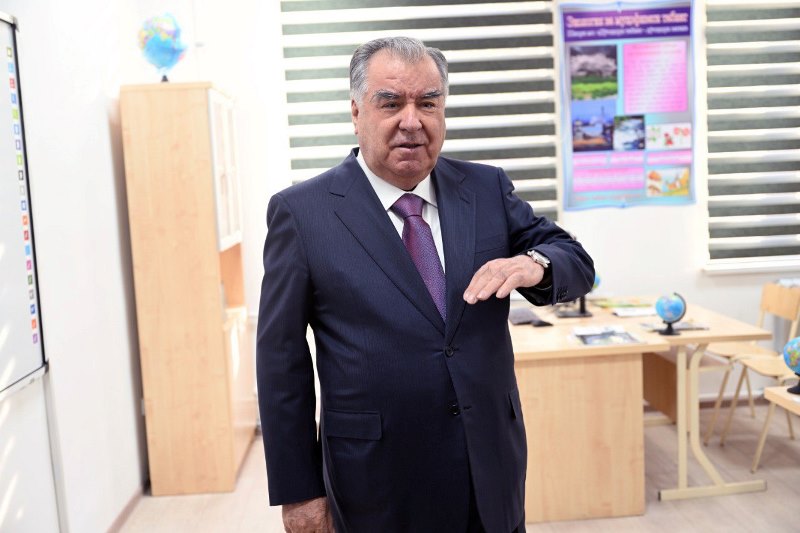
The gymnasium has organized 12 subject circles to prepare students for national and international competitions and Olympiads.

The head of state also remotely opened 3 secondary schools, 2 kindergartens and one sports and tourism center in Khovaling. The facilities were built in rural jamoats of Chukurak, Taghi Jar and Darai Mukhtor.

In total, 6 educational facilities have been opened in Khovaling, designed to train more than 2,600 people in total.

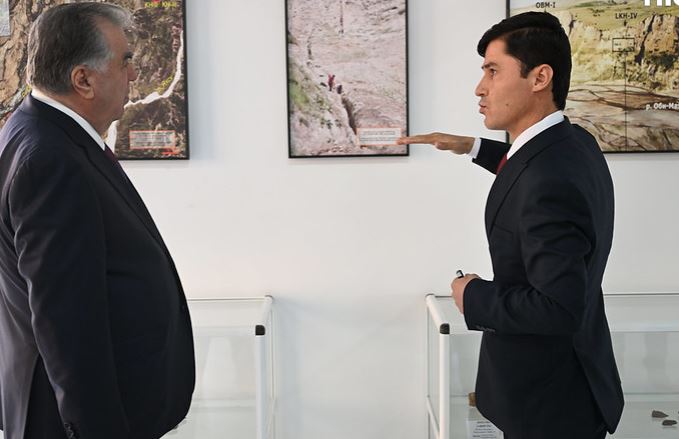
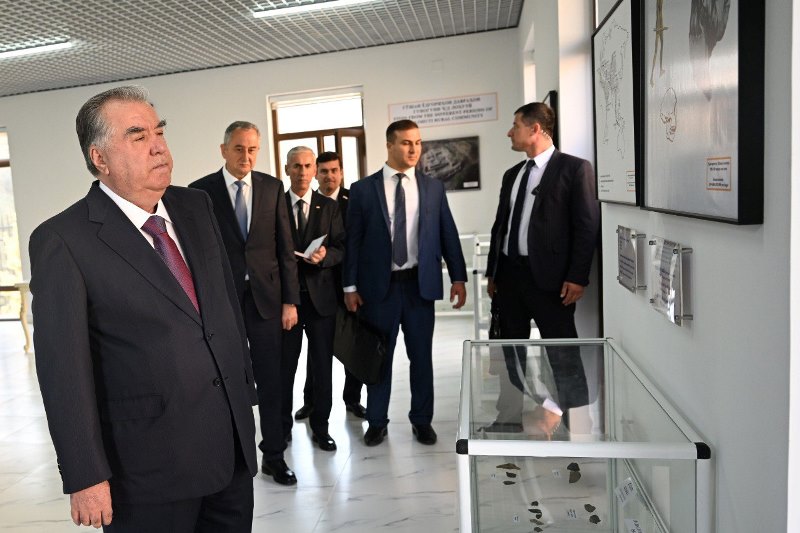
Then Emomali Rahmon took part in the opening of the Khovaling Stone Age Historical Museum.
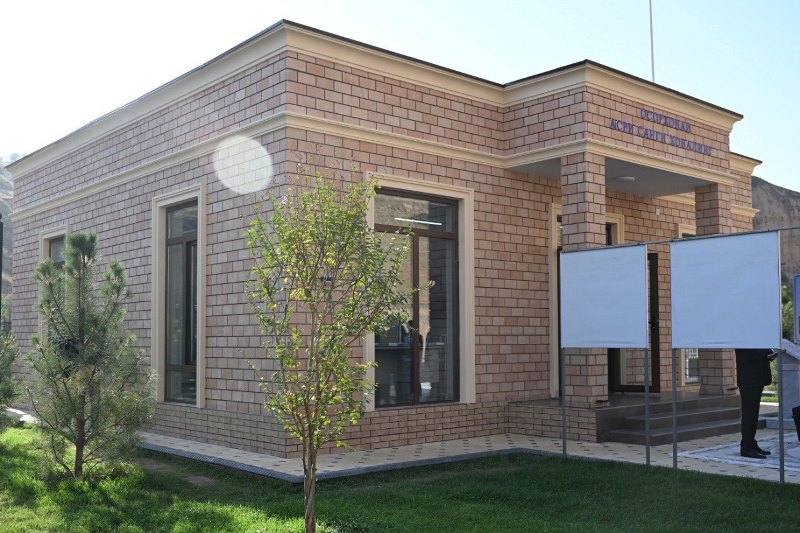
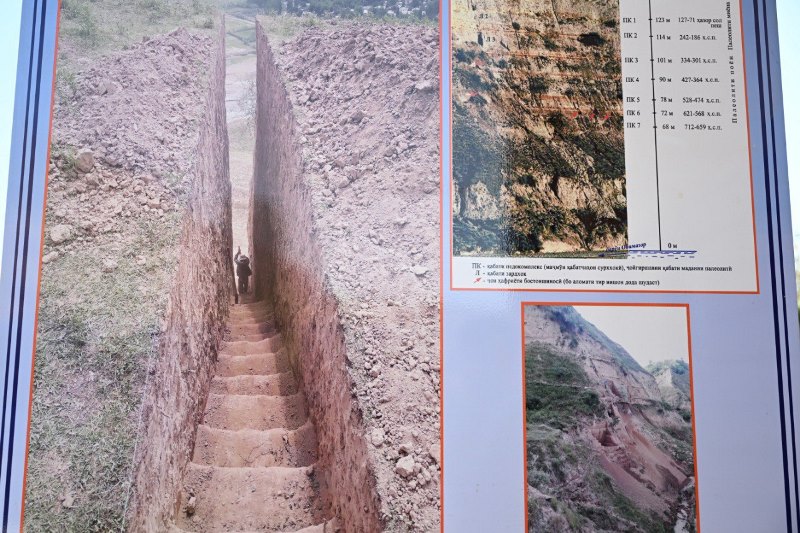
The museum contains rare historical finds and monuments discovered as a result of archaeological excavations in places such as Kuldara, Honakoh, Honakoh 1-2 and Obi Mazor. 

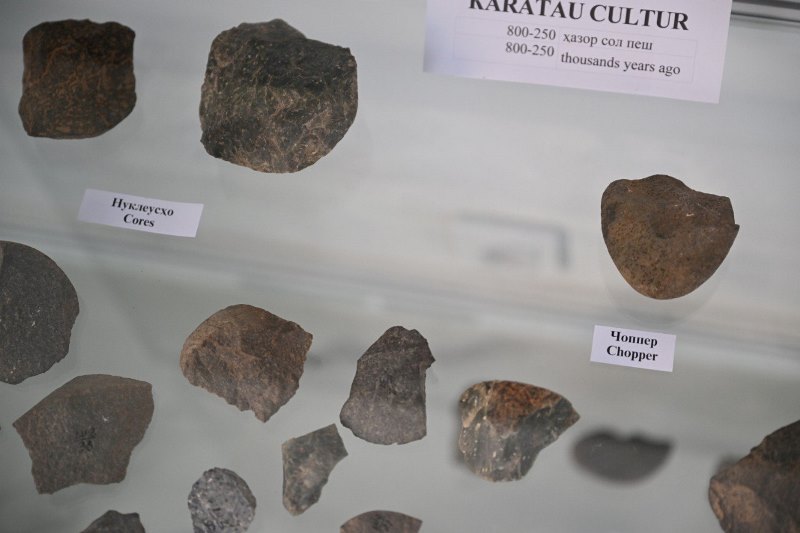
The museum's exhibits reflect three historical periods: the Stone Age, the Early and Late Middle Ages.

The stone tools that make up most of the museum's finds date back to the Lower Paleolithic period and are more than 950 thousand years old.

Kuldara in Khovaling is considered one of the oldest regions of Central Asia, where settlements of the Stone Age — the Lower (Early) Paleolithic – were discovered.

Join us on social media!

Article translations:

Related Article

Оби зулол
Оби зулол

Most Read

Recent Articles

India’s blockchain push and lessons for the global south

The Indian Government has started pushing aggressively its agenda of embracing blockchain technology, and the same has received a new lease of life with...

India’s blockchain push and lessons for the global south

The Indian Government has started pushing aggressively its agenda...

25 Years in Touch: On Generation Change, “Digital” and “Invisible” Work

In its 25th anniversary year, "MegaFon Tajikistan" summarizes its...

The number of entrepreneurs in Tajikistan increases by 4.3%

The number of entrepreneurs operating under a patent is increasing the fastest.

Trump announces “very good” talks with Iran and the possibility of a quick agreement. Tehran did not comment on this

The President of the United States claims that Tehran has agreed to the US demand to abandon the development of nuclear weapons.

Police report the discovery of the remains of a man who had been missing since December 2025

A friend of the murdered person has been detained on suspicion of particularly brutal murder.

Residents of a settlement in Sughd: “Afghan refugees have disappeared from the Dehmoy jamoat”

Earlier, a citizen of Afghanistan was detained on charges of murdering a resident of Khujand.

In Russia, it was proposed to revoke residence permits and temporary residence permits from migrants who do not work for more than two months

During January-March 2026, 90% more residence permits were revoked from migrants in the country compared to the same period last year.

From reach to influence: why advertising no longer works by old rules discussed in Dushanbe

Market research forces a complete reconsideration of the advertising budget allocation strategy.