Governments attending the Central Asia-US summit on November 6, 2025, should focus on improving their human rights records amid discussions of economic and security cooperation, Human Rights Watch said on November 3. The summit is taking place while all participating governments have increased efforts to stifle dissent, silence the media, and retaliate against critics at home and abroad.
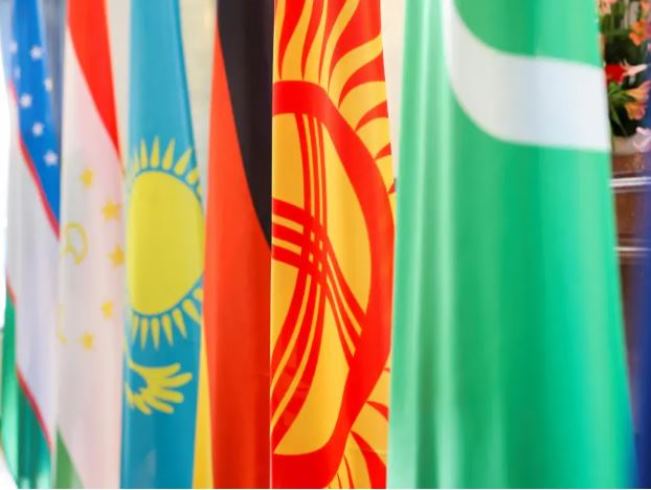
The summit, hosted by US President Donald Trump, will bring together the presidents of Kazakhstan, Kyrgyzstan, Uzbekistan, Tajikistan, and Turkmenistan in Washington.
“The Central Asia-US summit should ensure human rights is a key part of the agenda, especially as repression increases across Central Asia,” said Hugh Williamson, Europe and Central Asia director at Human Rights Watch. “Participating countries should recognize that they risk recent social and economic progress if international partners seek stable environments elsewhere for engagement and investment.”
The US government’s 2025 State Department human rights report highlighted serious abuses across Central Asia, including credible reports of torture, ill-treatment, and arbitrary arrests and detention of civil society activists and opposition figures. The report said that freedom of expression and media remained severely restricted in the region, with journalists facing harassment and retaliation for their work. It also cited excessive state control over religious organizations, prosecutions on vague extremism charges, lack of judicial independence, and pervasive corruption.
The United States is also experiencing a backsliding on human rights and democratic values, with rollbacks on voting access, attacks on immigrants, and efforts to silence educators, journalists, and activists. The Trump administration should reverse course to improve its domestic human rights record and make respect for fundamental freedoms and good governance central to any new security or economic initiatives in Central Asia, Human Rights Watch said.
Human Rights Watch research and media reports have found that the Kazakhstan authorities routinely violate the rights to peaceful assembly, and freedom of expression and association, and misuse overbroad criminal charges in counter-extremism legislation to target critics.
The Kazakh opposition leader Marat Zhylanbaev and the journalist Duman Mukhammadkarim are each serving seven-year prison sentences on politically motivated charges of “financing extremist activities” and “participating in the activities of a banned extremist organization.” In September, the US Commission on International Religious Freedom found that “religious freedom conditions in Kazakhstan remain poor.”
The Kyrgyz government has intimidated and silenced journalists, media outlets, human rights defenders, and government critics, Human Rights Watch said. New laws curtail the rights of citizens to information. The government has taken inadequate action against rising domestic violence, including against women with disabilities. In 2025 the Kyrgyz government dismantled the independent National Center for the Prevention of Torture. In its 2025 Annual report, the US Commission urged placing Kyrgyzstan on the State Department’s Special Watch List for its continuing systematic abuses of religious liberty.
The Tajikistan government represses independent and critical voices by closing hundreds of nongovernmental organizations and jailing scores of bloggers, journalists, and public figures for their opinions. Several political movements and parties seen as a threat to the government are banned, including the Islamic Renaissance Party of Tajikistan (IRPT) and Group 24, with its members serving lengthy prison terms.
Tajik authorities have carried out a crackdown on dissent in the Gorno-Badakhshan Autonomous Oblast, following the violent dispersal of peaceful demonstrations in the region in 2021 and 2022. During 2025, five Pamiri prisoners detained as a result of this crackdown died in custody.
Turkmenistan’s government is among the world’s most authoritarian and repressive, Human Rights Watch said. The authorities impose arbitrary foreign travel bans and engage in transnational repression, including by denying Turkmen citizens the right to renew their passports abroad. For more than two decades, dozens of individuals have remained victims of enforced disappearances, and torture in custody persists without accountability.
There is no media freedom in the country and access to the internet is severely restricted and heavily censored. The government relentlessly targets journalists and civil society activists and their family members.
In recent years, Uzbek authorities have ramped up restrictions on human rights activism and freedom of expression, targeting activists, bloggers, and others, including with unfounded criminal charges. Nongovernmental organizations are subject to excessive and burdensome registration requirements and at least two bloggers have been put into forced psychiatric detention in violation of their rights to liberty and security and health.
Uzbek authorities also restrict religious freedom by preventing registration of religious communities, subjecting former religious prisoners to arbitrary controls, and prosecuting Muslims on broad and vaguely worded extremism-related charges.
“Economic and social reform processes in Central Asia deserve international support, but they need to be rooted in respect for human rights and the rule of law to have legitimacy,” Williamson said. “That’s the only way the 82 million people living in the region can truly benefit from any deals their leaders make in Washington.”