Uzbekistan has announced the launch of a large-scale project to restore grassland areas across the country. The initiative, aimed at enhancing food security and promoting sustainable agricultural development, comes as part of new measures outlined in a presidential decree on October 31, 2025.
The decree, titled “Additional Measures for Ensuring the Population’s Food Security,” mandates the creation of a new Grassland Database Management Center under the Uzdaverloyikha Institute. The center will be responsible for organizing and managing data related to the condition of the nation’s grasslands and overseeing restoration efforts, according to Podrobno.uz.
Additionally, a unified information system for grassland management will be developed on the “Digital Agriculture” platform. This system will facilitate continuous monitoring of grassland conditions, ensuring their rational use and long-term sustainability.
The restoration project is seen as a key step in boosting Uzbekistan’s agricultural resilience and safeguarding its ecosystems, particularly as the country continues to prioritize food security and sustainable farming practices.
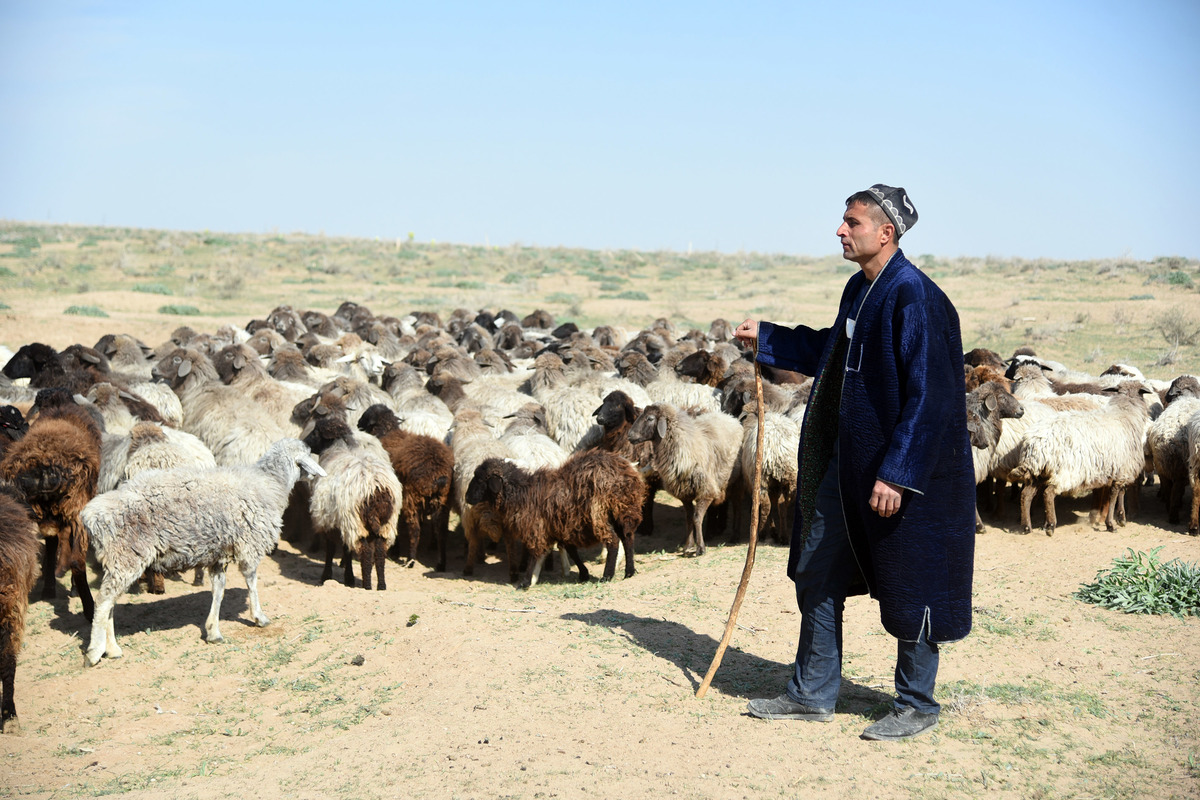
Uzbekistan is expected to begin a series of specialized projects aimed at large-scale grassland restoration before July 1, 2026. These initiatives, designed to enhance the country’s food security and promote sustainable agricultural development, will focus on expanding the feed base for livestock and improving the overall condition of the land.
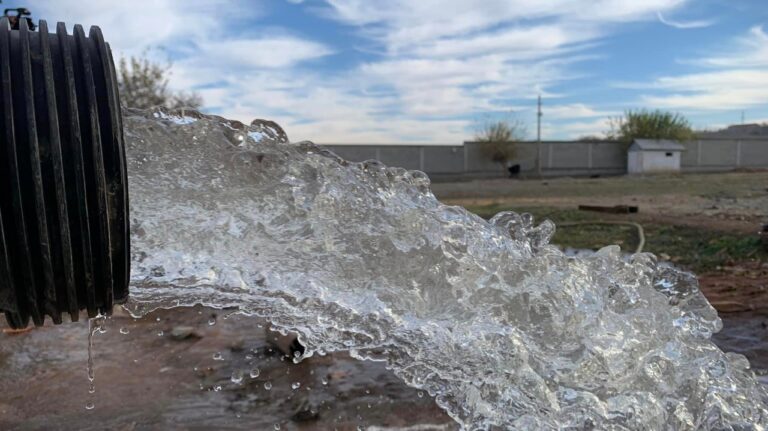
Under the new program, the government plans to establish communal grasslands for better grazing and conduct a comprehensive inventory of the land to assess its current state. Special emphasis will be placed on rebuilding infrastructure, including drilling water wells, increasing plantable lands, and using drones to plant seeds.
A new system of regional directorates will also be established to oversee the implementation of these projects. Modern digital tools will be introduced to facilitate continuous monitoring and prevent land degradation.
In addition, the plan calls for the development of seed production for desert-steppe plants and the adoption of advanced international practices, particularly technologies from China and Mongolia, where grassland restoration has already proven successful.
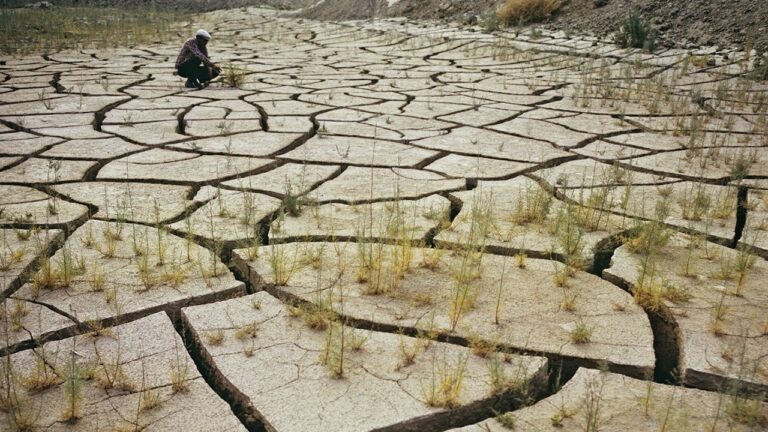
According to the Ministry of Agriculture of Uzbekistan, grasslands cover nearly half of the country’s territory, amounting to over 21 million hectares. However, a significant portion of this land has suffered from degradation due to overgrazing, salinization, and climate change.
In 2024, the government launched several pilot projects aimed at restoring degraded lands in the Navoi and Kashkadarya regions. To fund the next phase of the reform, Uzbekistan plans to attract $63 million in funding from the Asian Development Bank. The project will be carried out by the Ministry of Agriculture in collaboration with other government bodies and international partners, with completion expected by July 2026.
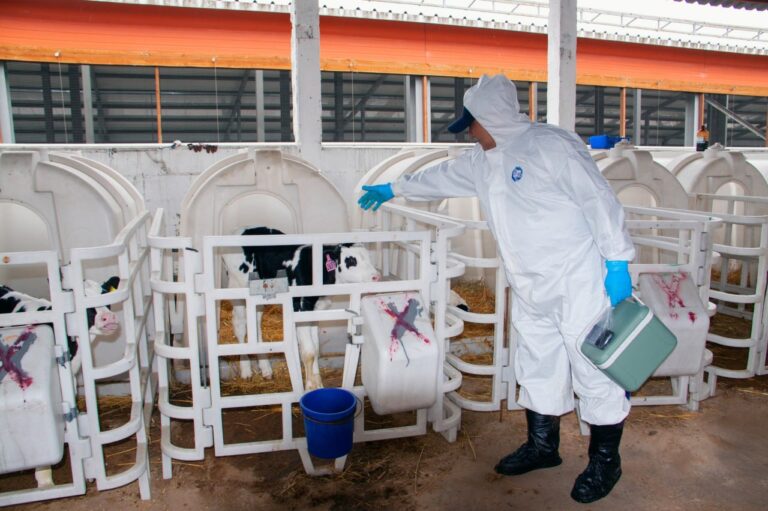
Industry experts note that restoring grasslands will not only improve the feed supply for livestock but also increase the resilience of rural regions to climate-related risks, thereby boosting the export potential of meat and dairy products.