As winter approaches, concerns over potential heating and electricity shortages in Kyrgyzstan are intensifying, with neighboring Kazakhstan and Uzbekistan stepping in to prevent a full-scale crisis.
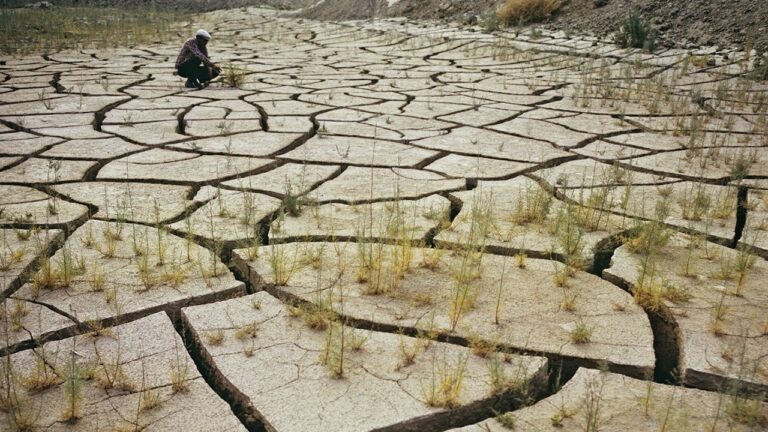
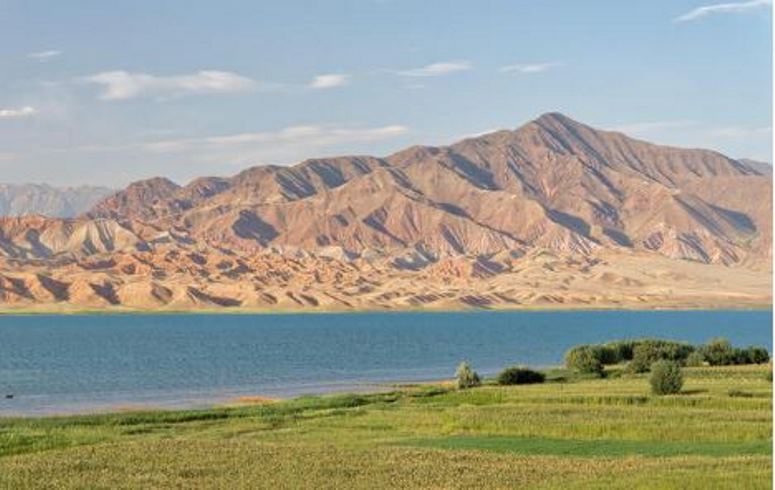
Eurasianet reports that the looming energy shortage is driven by critically low water levels in the Toktogul Reservoir, a key source of hydropower for Central Asia. The reservoir also provides vital water for downstream countries like Kazakhstan and Uzbekistan during the summer for irrigation. With the region facing both water and energy deficits, officials have moved to mitigate the risks of widespread shortages.
In late November, high-level government representatives from Kyrgyzstan, Kazakhstan, and Uzbekistan signed an agreement in Almaty. Under the terms of the agreement, Kyrgyzstan has committed to limiting the amount of water drawn from Toktogul for electricity generation in the coming months, ensuring there is enough for downstream irrigation during the 2026 growing season. In return, Kazakhstan and Uzbekistan have pledged to send electricity to Kyrgyzstan to ensure the successful completion of the heating season.
The agreement also includes a joint water-conservation campaign. A Kazakh government statement emphasized that the agreement is "legally binding," though details about its enforcement mechanisms have not been disclosed.
In response to the water deficit, Kyrgyz officials have introduced a series of energy-saving measures for the winter months. These include turning off lights in most government offices from 6 pm to 6 am and imposing a 10 pm curfew on restaurants, shops, and entertainment venues.
Tajikistan, also facing low water levels in its reservoirs, has implemented similar conservation measures.
Local media reports indicate that Kyrgyzstan's water stress index has entered "pre-crisis" territory, signaling an urgent need for action. In addition to short-term measures, the government is working on long-term strategies to reduce the risk of future shortages. At a meeting on December 1, Deputy Minister of Water Resources and Agriculture, Almaz Zheenaliyev, outlined a National Water Strategy for the next 15 years. The plan includes the construction of new reservoirs, irrigation modernization, digitalization, and the establishment of basin authorities to strengthen the country’s water security.
Zheenaliyev acknowledged the financial challenges of implementing these improvements but did not specify how the government intends to fund them.
Kyrgyzstan’s struggle is also exacerbated by the impact of climate change. At a climate conference in Bishkek in October, Deputy Prime Minister Edil Baisalov noted that the country’s hydrological cycle has changed, with water shortages worsening instead of improving. "This year we were supposed to overcome water shortages, but instead, they have intensified," Baisalov said.
As Kyrgyzstan faces these immediate challenges, the country's efforts to manage its water resources and energy supply will be critical to avoiding further crises in the future.