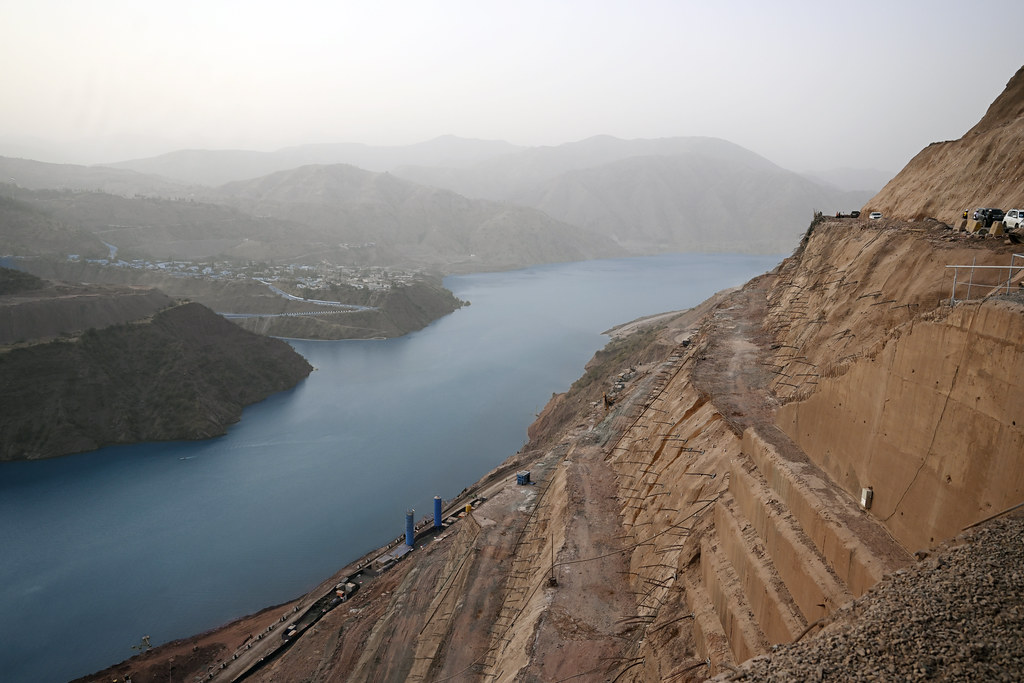
The Government of Tajikistan has approved the Power Sector Development Program for 2026–2030 along with its Implementation Action Plan. This strategic document aims to modernize and sustainably develop the country’s energy system, with a strong focus on harnessing hydropower potential, expanding renewable energy sources, advancing digital transformation, and strengthening energy security.
The key objectives of the Program include:
· establishing a competitive electricity market;
· increasing power generation capacity;
· reducing losses in power transmission networks;
· and expanding the country’s electricity export potential.
By 2030, the Program targets:
· a 2,680 MW increase in electricity generation capacity;
· a significant reduction in network losses;
· and an increase in electricity exports to 5 billion kWh per year.
At the center of the Program is the continued construction of the Roghun hydropower plant, as well as the modernization of turbine units at the Nurek, Sarband, and Qayroqqum hydropower plants. These upgrades are expected to restore lost capacity and significantly boost electricity output.
The Program also envisions the construction of solar and wind power plants, reflecting Tajikistan’s growing commitment to renewable energy. In particular, plans are in place to commission at least 750 MW of solar power capacity in the Sughd and Khatlon provinces.
The total funding required for the Program is estimated at 60.4 billion somonis (approximately $6.5 billion), which will be mobilized through a combination of sources, including the state budget, private investment, and international development partners.
Special attention will be given to modernizing existing power transmission networks, especially in the northern regions and the capital, where network losses remain high. The Program includes projects to upgrade high-voltage transmission lines and construct new substations to improve reliability and reduce technical losses.
Digitalization is a key pillar of the sector's modernization under the Program. One of the priority areas is the implementation of smart electricity meters and SCADA systems for real-time monitoring and management of the power grid. These innovations are expected to improve operational efficiency and reduce losses across the system.
Another crucial aspect of the Program is the development of human capital. A comprehensive approach will be taken to improve the skills and qualifications of energy sector professionals through expanded retraining and capacity-building programs.
To support the successful implementation of the Program, Tajikistan plans to work closely with international financial institutions and private investors. The mobilization of grants and concessional loans is expected to accelerate progress on key infrastructure and renewable energy projects.