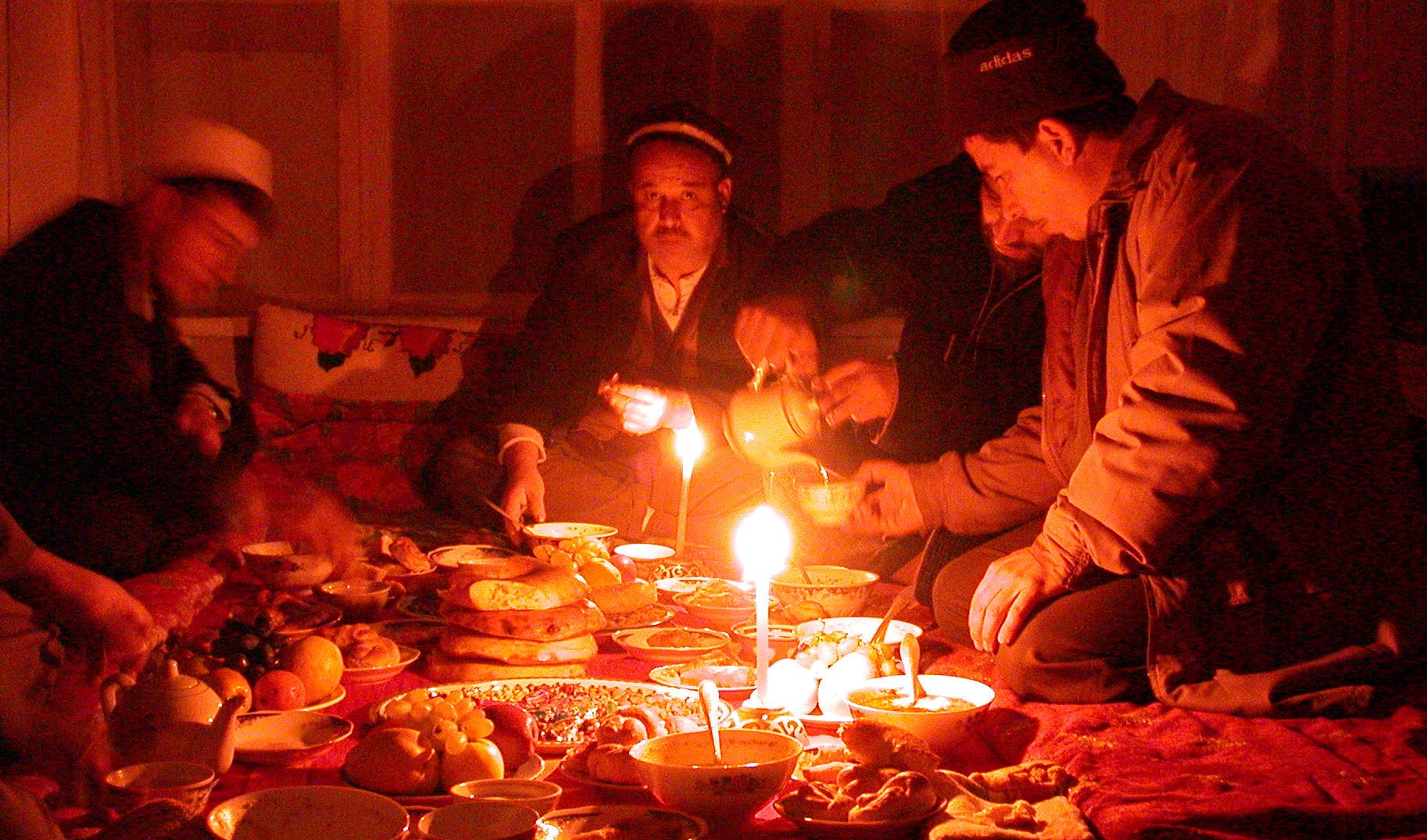
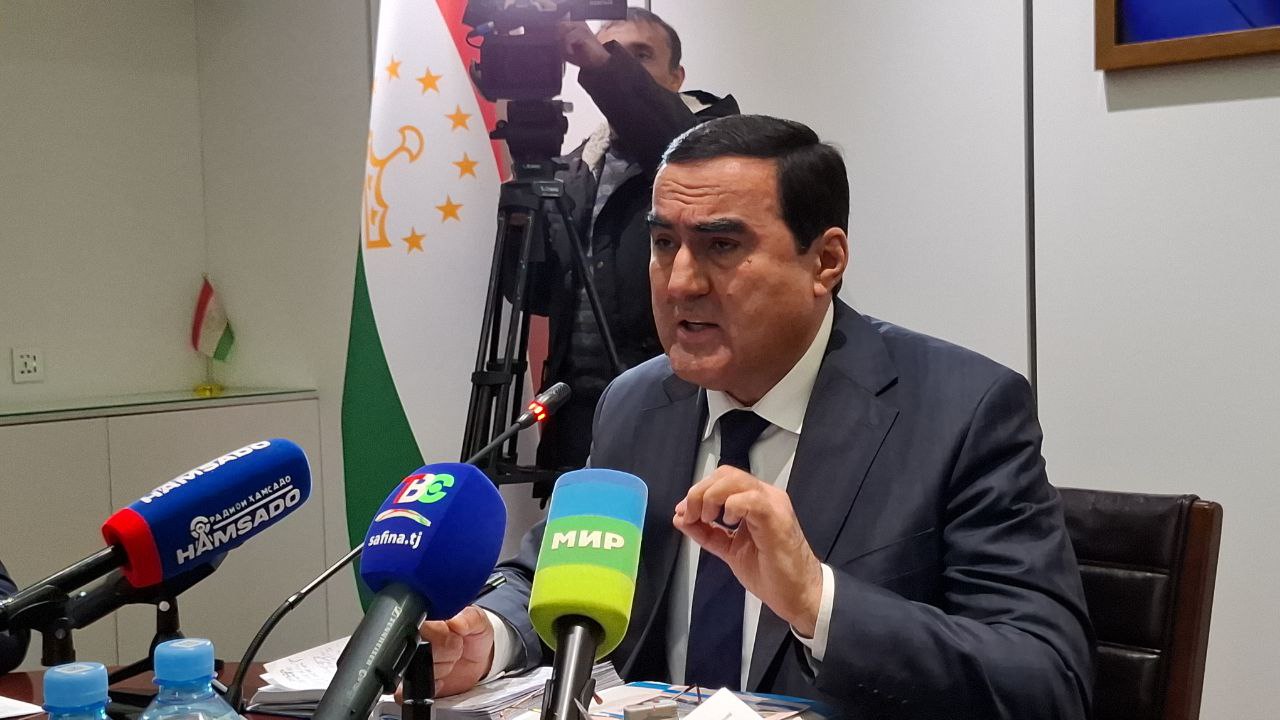
Electricity supply to the population of Tajikistan will be improved during the Islamic holy month of Ramadan, which begins on February 18 this year, Barqi Tojik (state-run power generation company) CEO Mahmadumar Asozoda told reporters in Dushanbe on February 3.
However, he noted that it is too early to specify how much the current power supply restrictions will be eased. According to Asozoda, the volume of additional electricity supply will depend on the water level in the Nurek Reservoir and the inflow of water into the Vakhsh River.
He added that the additional hours of electricity supply for households, proposed by the government, will be determined and officially announced at a later date.
As of February 3, the water level in the Nurek Reservoir, which powers the Nurek Hydropower Plant (HPP), reportedly stood at just over 885 meters above sea level, which is 65 centimeters higher than during the same period last year. Water inflow into the Vakhsh River currently exceeds long-term average levels, Asozoda said.
The maximum operating level of the Nurek Reservoir is 910 meters above sea level, while the minimum is 857 meters. As a result, the usable water level stood at about 28 meters at the beginning of February.
Electricity supply restrictions have been in place in Tajikistan since the last ten days of September. The situation worsened significantly in late November, when additional limitations on power access were introduced.
At that time, the Electricity Distribution Networks company instructed its regional branches to implement a number of measures, including disconnecting first-category industrial and non-industrial consumers with capacity of up to 5 kW (excluding Dushanbe), suspending electricity supply to budget-funded organizations and state enterprises from 6:00 p.m. until the start of the next working day, and switching off non-strategic street lighting.
In addition, during restriction hours, smart meters were gradually disconnected from the billing system, while electric vehicle charging stations were shut down between 6:00 p.m. and 10:00 p.m.
Currently, residents of most regions of the country — excluding larger cities and the Gorno-Badakhshan Autonomous Region — receive electricity for an average of six to eight hours per day.
Last week, Minister of Energy and Water Resources Daler Juma also said that during Ramadan the electricity supply schedule for the population would be fully observed and, where possible, extended.