In 2025, Tajikistan recorded 287 emergencies and natural disasters, resulting in six fatalities and economic losses totaling 20.758 million somoni. This was reported by Rajabali Rahmonali, Chairman of the Emergencies Committee under the Government of Tajikistan.
For comparison, 639 emergencies were recorded in 2024, with total damage exceeding 161 million somoni.
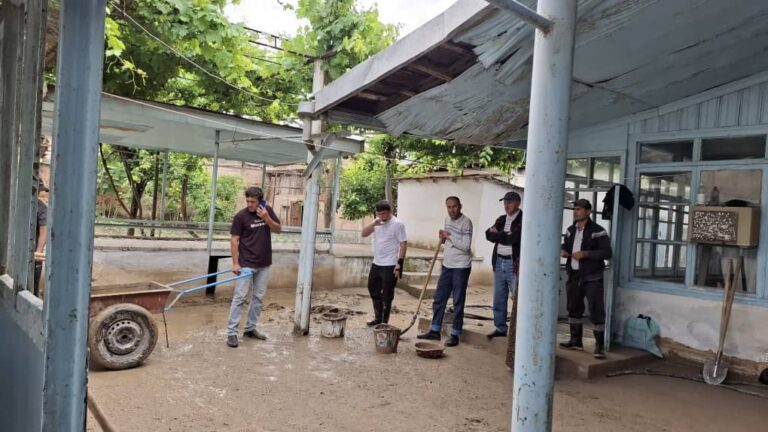
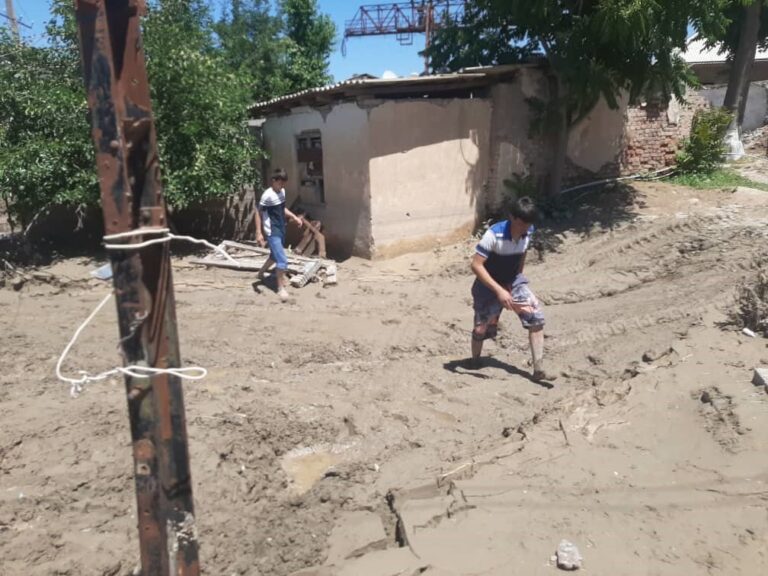
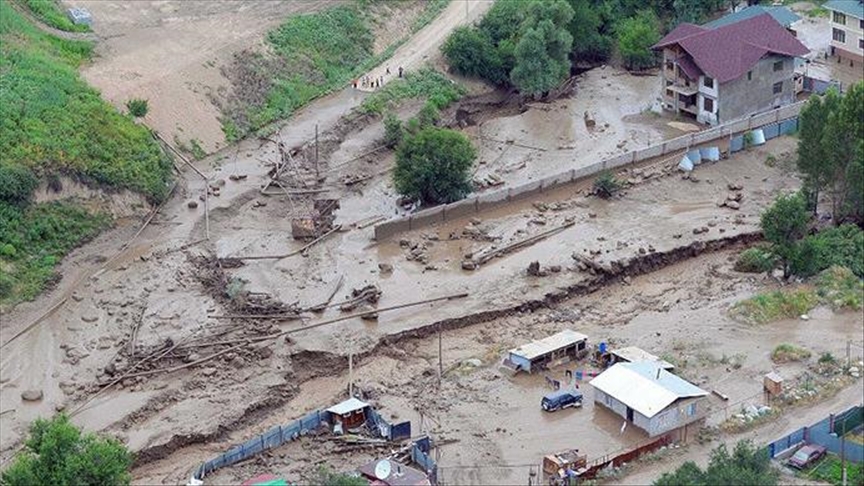
According to Rahmonali, natural disasters affected 676 residential houses, including 67 completely destroyed, 283 partially damaged, and 326 classified as light structures. In addition, 161 auxiliary facilities, four economic facilities, 12 schools and kindergartens, three hospitals and diagnostic centers, and seven cultural and community facilities were damaged.
Infrastructure also suffered significant losses, with damage reported to 23.1 kilometers of roads, one bridge, 358 meters of riverbank protection structures, 5.2 kilometers of power transmission lines, 22.8 kilometers of irrigation canals, and 71.8 hectares of agricultural land.
As part of assistance efforts, 347 residential houses were built for affected families in 2025. On behalf of the President and the Government, material assistance totaling 78 million somoni was provided, including food supplies, household items, and construction materials.
Rahmonali also confirmed the deaths of two servicemen from the Ministry of Defense in the Vakhsh River. He said joint search operations were conducted several times but yielded no results. The soldiers drowned in July in the Kushoniyon district near the Harbmaidon training ground.
The press conference also noted a decline in the number of high-risk zones across the country. Jamshed Kamolzoda, Head of the Main Directorate for the Protection of Population and Territories at the Committee, said that 1,149 hazardous areas were identified in 2025 — 60 fewer than in previous years. The reduction was attributed to preventive measures, riverbank reinforcement, and population resettlement.
Last year, the authorities planned to relocate 175 families from high-risk zones, with 174 families actually resettled. Of these, 161 families received land plots, one-time financial assistance, and concessional loans, while 13 families have yet to receive full support.
In 2026, Tajikistan plans to relocate another 175 families from hazardous areas to safer locations.