Attacks by the United States and Israel on Iran, as well as restrictions on the export of food products from the country, could lead to higher prices for Iranian goods in Tajikistan, local traders who import products from the Islamic Republic say.
Some of them are already considering temporarily replacing Iranian products with goods from other countries.
An Asia-Plus correspondent spoke with several entrepreneurs importing goods from Iran to Tajikistan, as well as wholesale sellers at markets in Dushanbe, to learn how the situation surrounding Iran is affecting their businesses.
Goods delayed in Turkmenistan
One trader, who asked not to be named, said that after the outbreak of the conflict involving the United States, Israel, and Iran, a shipment he ordered has still not arrived in Tajikistan. He sells dried fruits, pistachios, sugar, sweets, and dates.
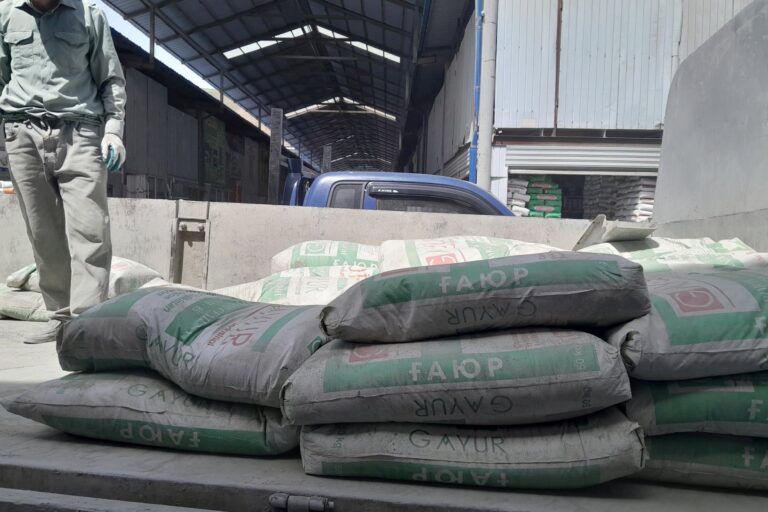
According to him, the cargo had been ordered in advance, but transport partners reported that 380 railway wagons of goods were returned from Iran’s border and are currently being held in Turkmenistan.
“The reason has not been explained, but it is most likely related to tensions between the United States and Iran. Until the shipment arrives, we will continue selling our remaining stock,” the trader said.
Prices already rising
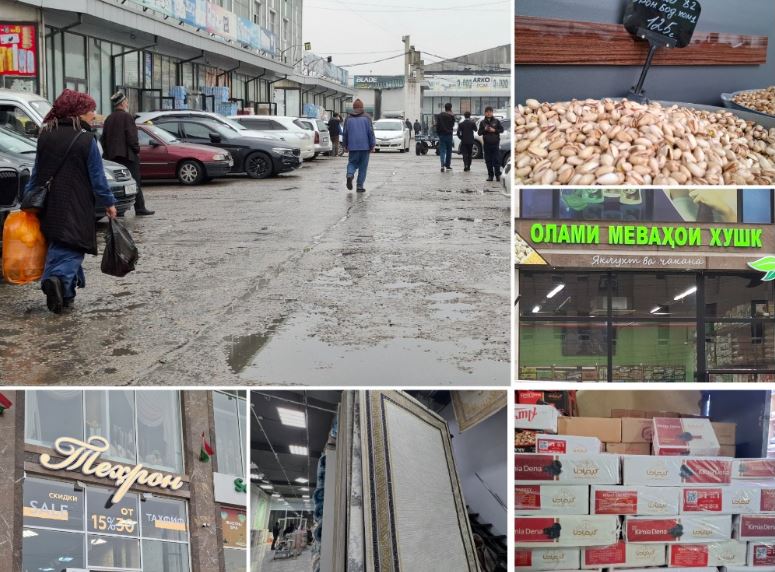
A merchant running shop at Dushanbe’s Farovon bazaar, who also asked not to be named, said that prices for Iranian products have already begun to rise following restrictions on the export of food products from Iran.
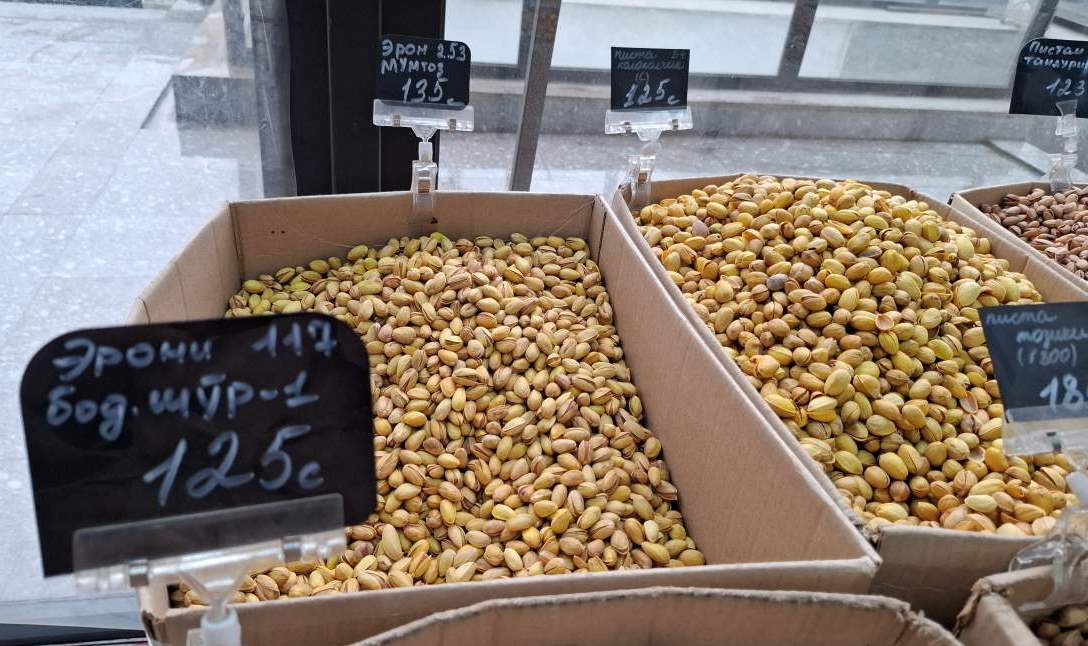
“Today the price of one kilogram of Iranian pistachios has reached 150 somoni, whereas a week ago it ranged from 90 to 120 somoni,” he said.
According to traders, suppliers of Iranian products still have some stock available, but it may not be enough to meet demand for long.
“We only have a small amount of pistachios left and about 50 packages of Iranian dates weighing five kilograms each. Since we sell wholesale, the goods run out quickly. At the moment we do not know how we will supply our customers,” another seller at the Farovon bazaar said.
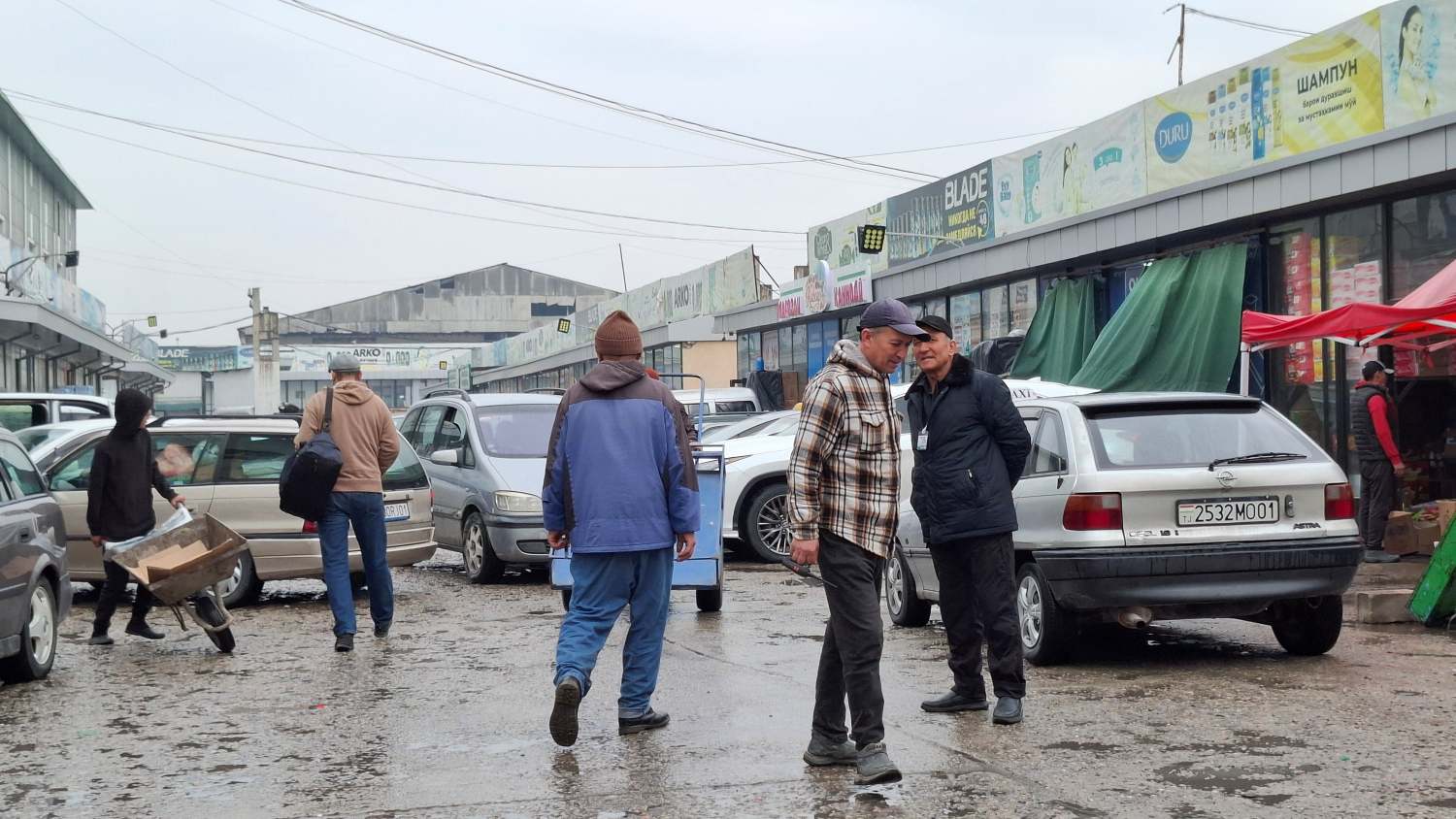
Another entrepreneur noted that he previously worked under a contract with Iranian partners.
“We used to place orders and they would send the goods. Now it is unclear what will happen next. We still have some stock, but it will run out quickly because demand for Iranian products is high,” he said.
At the same time, some traders believe that restrictions on Iran’s food exports will not have a serious impact on Tajikistan’s food supply.
“There is Russia, Uzbekistan and other countries we cooperate with. In the future we will import products from these countries,” one trader noted.
Carpet sellers also facing difficulties
The conflict has also affected carpet sellers. Some entrepreneurs importing textiles from Iran say that under current conditions deliveries from the country have effectively stopped.
“My brother used to travel to Iran and bring back goods, but now, while the war continues, we do not know what will happen next. Demand for Iranian carpets among residents is high because of their good quality. In addition to Iran, we also import carpets from Turkiye,” said a representative of the carpet store Fors.
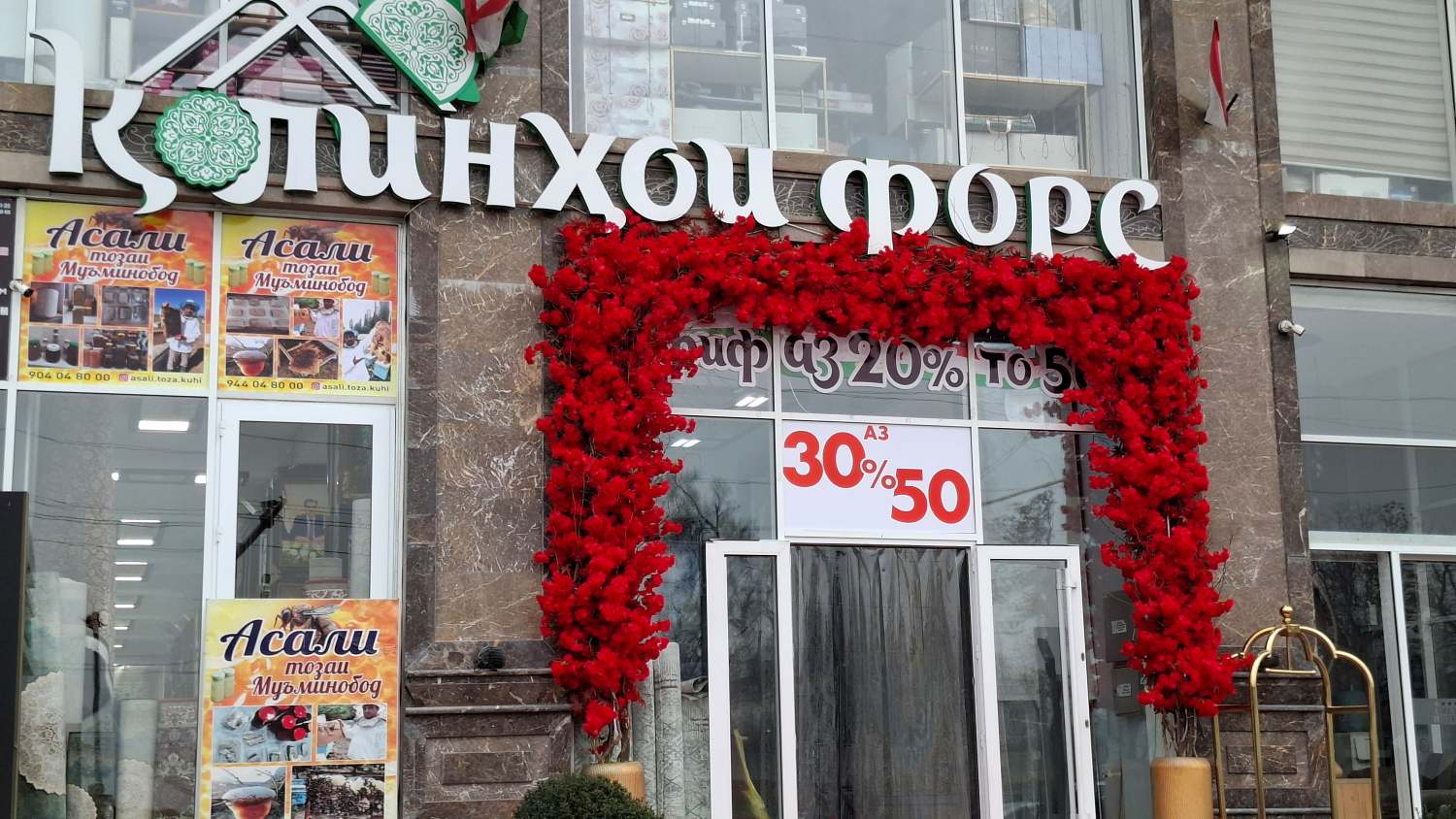
The situation has also raised concerns among other sellers. They say that once their stocks of Iranian carpets run out, they will have to meet customer demand using Turkish and domestically produced products.
“We sell carpets made in Iran, Tajikistan, Uzbekistan, and Turkiye. We do not travel to Iran ourselves — we receive the goods from a supplier who delivers them directly to the store, and we handle the sales. Whether supplies will continue is still unknown,” said Qobil, a representative of the Tehran carpet store.
Iranian products remain in high demand
Entrepreneur Madina Rahimova (name changed) imports various hygiene products from Iran.
Some time ago, she ordered four railway wagons of goods, but the shipment has still not crossed Iran’s border.
“We have very little stock left, and the products we bring from Iran are in high demand. Since we sell wholesale, the goods run out quickly. We have been working with Iranian suppliers for several years, and the current situation is seriously affecting our business,” she said.
According to her, Iranian products are relatively inexpensive while maintaining good quality.
“Right now we are confused, because we have not previously imported similar goods from other countries,” she added.
Iran is one of the largest suppliers of food products to Tajikistan, including dairy products, fruits and vegetables, nuts, sugar, and spices. Any disruption in supplies could therefore affect prices for these products on the domestic market.
Experts say that in the current situation the Tajik government should look for alternative supply routes, for example through Uzbekistan or Kyrgyzstan. In their view, the situation could lead to rising prices for certain goods and create instability in the food market.