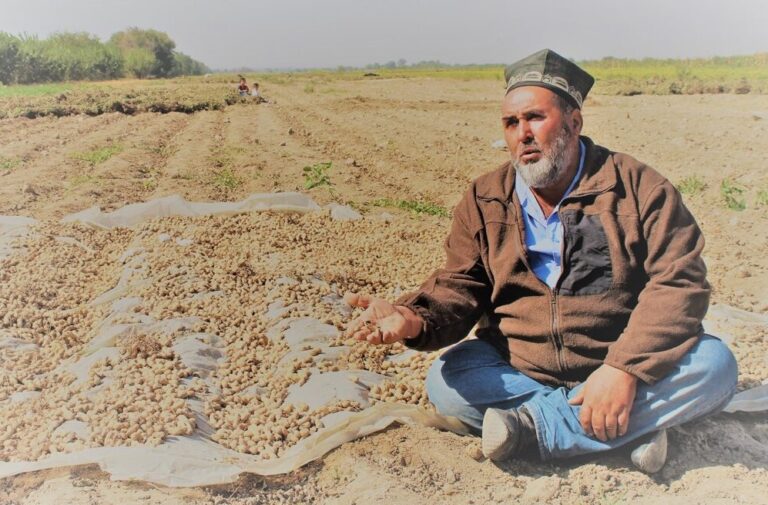
Farmers and agribusiness exporters in Tajikistan face numerous constraints that hinder the sector’s development. The State Export Development Program for 2026–2030 outlines a set of incentive measures aimed at removing these barriers and supporting entrepreneurship.
The document identifies more than 50 challenges affecting agricultural exports and proposes solutions. Below are ten key issues and the government’s planned responses.
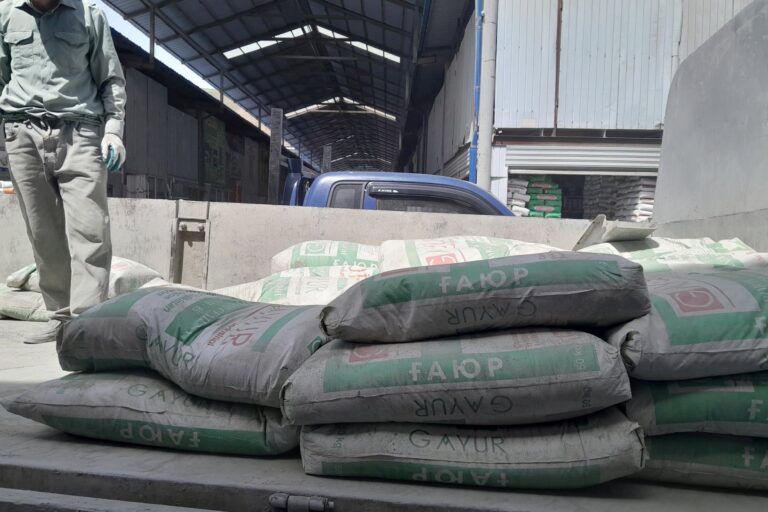
1. Lack of modern logistics infrastructure — One of the main challenges is the shortage of modern logistics centers, cold storage facilities, and refrigerated transport. This leads to product losses, reduced incomes, and limited ability to export goods on time. The government plans to modernize the transport and logistics system. The program includes the construction of logistics complexes with a total area exceeding 50,000 square meters, including low-temperature storage facilities. These measures are expected to reduce losses and expand export capacity.
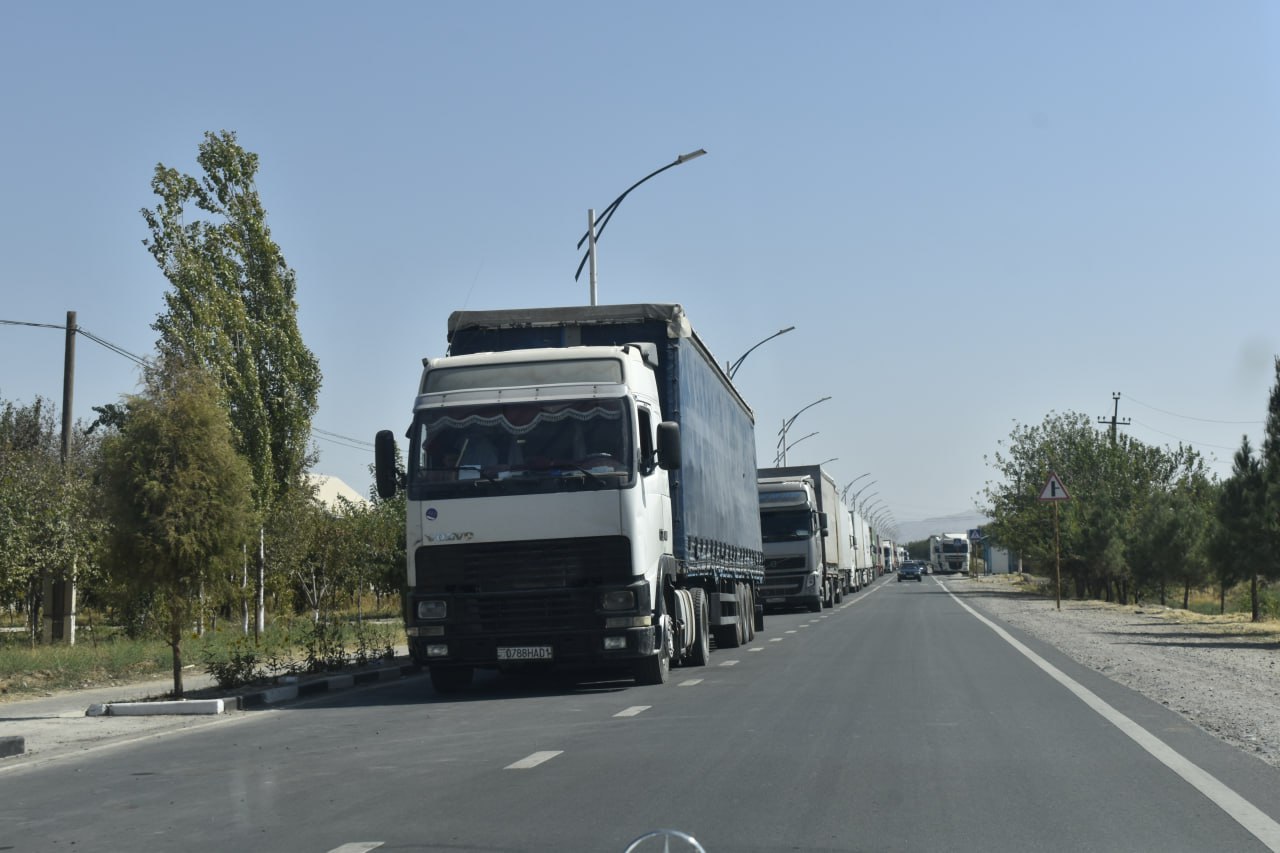
2. High transportation costs — High transport costs remain a major obstacle, reducing the competitiveness of Tajik products. As a landlocked country, Tajikistan depends on transit routes, while weak border infrastructure causes delays. The program provides for development of transport corridors, modernization of border infrastructure, and creation of logistics centers to lower costs and improve delivery efficiency.
3. Customs procedures and delays — Lengthy customs clearance, especially for perishable goods, significantly increases delivery times and affects product quality. Proposed solutions include automation, the introduction of a “single window” system, simplified certification, and the creation of “green corridors” for perishable goods.
4. Lack of international certification — The absence of internationally recognized certifications (ISO, HACCP, GlobalG.A.P.) limits access to European and Middle Eastern markets. The program aims to develop certification systems, establish laboratories, and train producers in international standards.
5. Limited processing capacity — Insufficient processing capacity forces the export of raw materials, reducing added value and profitability. The government plans to support processing enterprises, expand domestic processing, and improve logistics.
6. High cost of credit — Interest rates ranging from 18% to 25% hinder the development of small and medium-sized businesses and limit modernization. Measures include preferential lending programs, guarantee funds, and state subsidies.
7. Limited export diversification — Heavy reliance on CIS markets increases economic vulnerability. Authorities plan to diversify exports toward China, Turkey, and Gulf countries while improving transport routes and product standards.
8. Phytosanitary barriers —Differences in standards and the lack of accredited laboratories complicate certification and lead to shipment rejections. Solutions include digital certificates, laboratory development, and harmonization of standards.
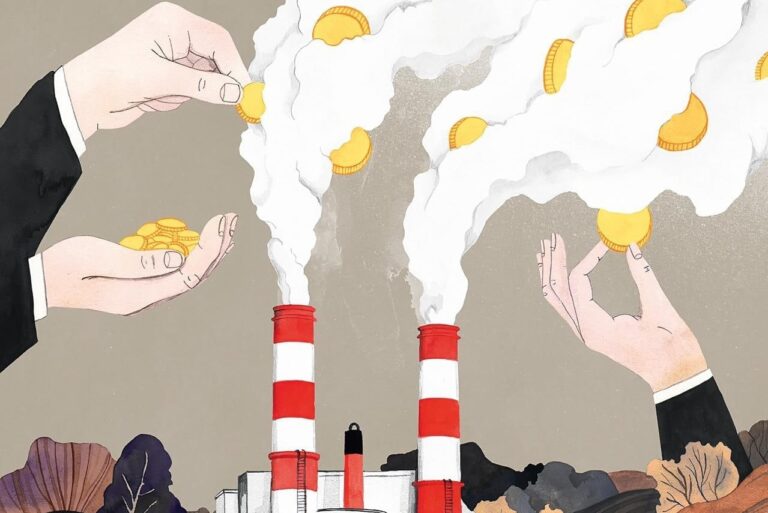
9. Insufficient incentives — Existing support measures, including awards and competitions, are considered insufficient. The program proposes expanding financial and tax incentives and increasing support for SMEs.
10. Lack of a national brand — Tajik products are often marketed under foreign brands, reducing recognition and competitiveness. Plans include developing a national brand, participating in international exhibitions, and digitalizing export processes.
The implementation of these measures is expected to remove key barriers, enhance competitiveness, and strengthen Tajikistan’s position in global markets.