The Judo Grand Slam series is one of the most prestigious events in the sport, playing a pivotal role in the Olympic qualification system. It is here that athletes battle for major prize money and, more importantly, crucial ranking points that determine their qualification for the World Championships and the Olympic Games.
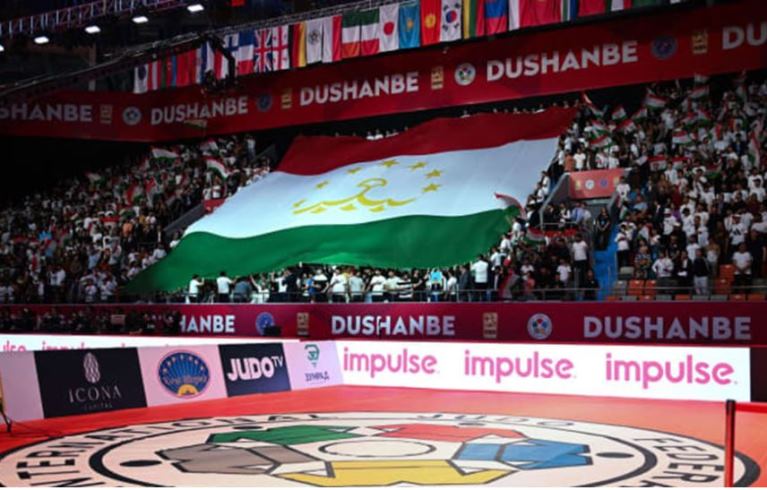
In 2026, Dushanbe will once again host one of the most important tournaments on the global judo calendar. From May 1 to 3, the capital of Tajikistan will welcome some of the world’s top judo athletes, further cementing its status as a key hub for international judo.
What is the Grand Slam and its importance?
The Grand Slam series is part of the International Judo Federation’s World Tour and ranks just below the World Championships and the Olympic Games in significance. These tournaments offer substantial prize money and, more importantly, distribute some of the most vital ranking points in the sport.
For judo athletes, success at the Grand Slam tournaments is crucial for building their careers. Without strong performances in these events, it is nearly impossible to break into the elite ranks of the sport and qualify for major championships.
How the tournament works
The tournament follows a traditional format with 14 weight categories (7 for men and 7 for women), an Olympic-style knockout system, and consolation rounds to determine two bronze medalists in each category. The event spans three days, with each day dedicated to a specific weight class.
The biggest distinction of the Grand Slam, compared to less prestigious events, is the quality of the participants. The tournament is consistently populated by world-ranked leaders, Olympic medalists, and World Championship winners.
Prize money: what do judo athletes earn?
The Grand Slam is not only about points but also offers significant prize money. The distribution is as follows: Gold – approximately €5000, Silver – approximately €3000, and Bronze – approximately €1500. Part of these prizes also goes to the athlete's coach.
While these amounts are not the largest in global sports, in judo, the true value lies in the ranking points.
The judo ranking system: the key resource
The real value of the Grand Slam lies in the ranking points awarded for each position: Gold – 1000 points, Silver – 700 points, Bronze – 500 points, 5th place – 360 points, and 7th place – 260 points. These points are crucial for determining the IJF World Ranking, which directly impacts seedings for future tournaments, qualification for World Championships, and most importantly, Olympic qualification.
Why Dushanbe is a key stop
Over recent years, Dushanbe has become a permanent fixture on the IJF calendar, and it’s easy to see why. The tournament in Tajikistan consistently attracts top-tier judo athletes, and the organization of the event has earned a reputation for meeting international standards.
For the Tajik national team, the Grand Slam holds particular significance. Firstly, it provides a rare opportunity to compete against the world’s best judo athletes without leaving the country. Secondly, it offers a chance to secure important ranking points right at home.
The domestic Grand Slam is more than just a competition; it’s a strategic resource for the entire national team. Achieving success in such tournaments is a necessary step for any judo athlete hoping to join the world elite. For countries like Tajikistan, which are still developing their judo programs, hosting such events is also a sign of status on the global sports stage.