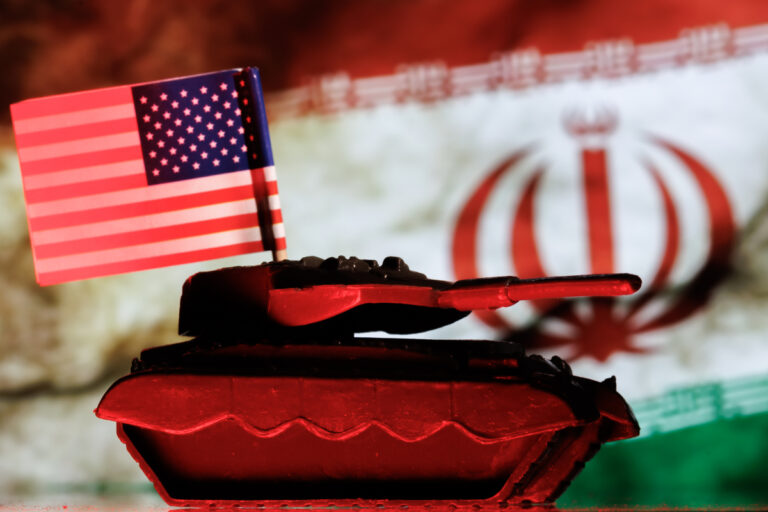
The US has begun implementing a maritime blockade of Iranian ports: on Monday, the deadline set by US President Donald Trump for the start of the operation expired, reports the BBC.
The US began the blockade of the Strait of Hormuz on April 13 at 10:00 AM Eastern Time (17:00 MSK). In Iran, it was called doomed to fail.
Initially, the American leader announced his intention to “block all ships without exception” entering or leaving the Strait of Hormuz but later clarified that it only concerns ships heading to or coming from Iranian ports.
At the same time, the American command emphasized that it would not hinder transit shipping through the strait to third countries.
The US Central Command (CENTCOM) reported that the operation would be conducted in the Gulf of Oman and the Arabian Sea east of the Strait of Hormuz and would affect vessels under any flag.
According to the official notice, any vessel entering the blockade zone or leaving it without permission may be intercepted, redirected, and detained. Neutral vessels will be able to pass through the strait if their routes are not related to Iran, but they may also be subject to inspection.
Humanitarian goods — including food and medicine — will be allowed through provided they are inspected.
In the first hours after the blockade began, there were no reports of merchant ship detentions, but the United Kingdom, through the UK Maritime Trade Operations (UKMTO), warned that the restrictions apply to the entire Iranian coast — both in the Persian Gulf and beyond. More detailed navigation guidelines are promised to be provided later.
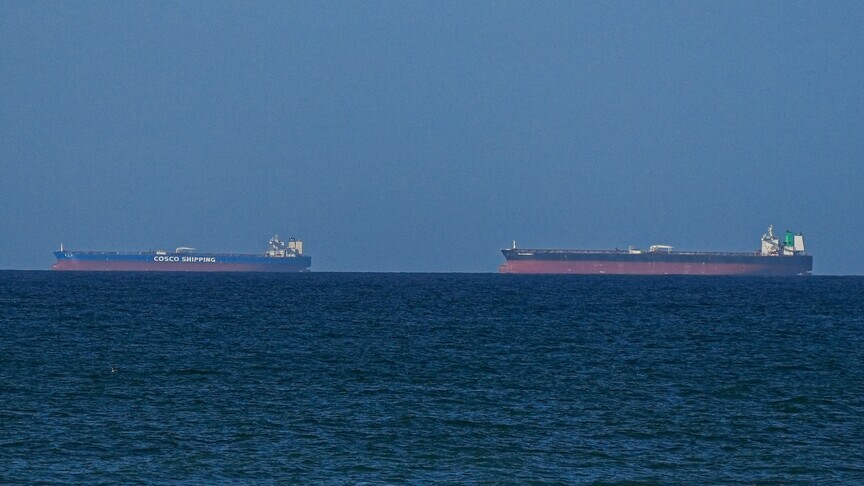
Amid the developments, two tankers associated with Iran left the Persian Gulf.
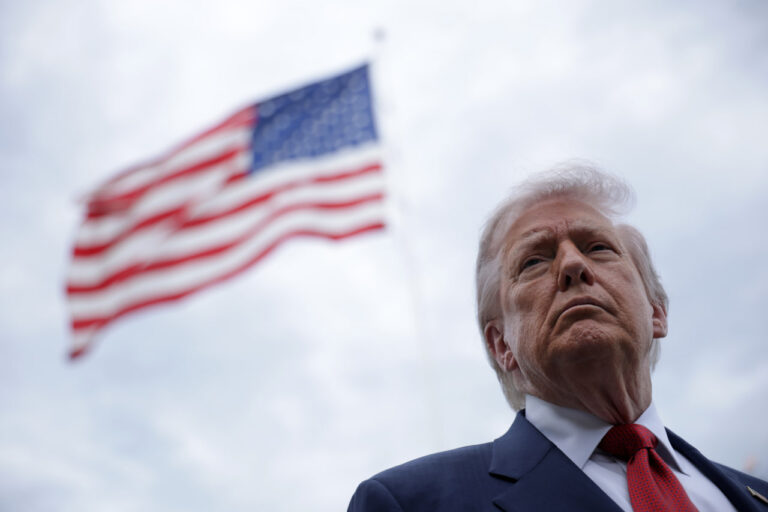
Shortly after the blockade began, Donald Trump stated that the Iranian navy was effectively destroyed, although the country still has combat boats. According to him, any attempts to approach the blockade zone will be strictly suppressed.
Iran, in turn, sharply condemned the US actions. The country’s armed forces and authorities called the blockade an act of maritime piracy and stated that they do not intend to succumb to pressure. The Islamic Revolutionary Guard Corps warned of a strong response to the appearance of foreign warships near the strait and threatened that if Iranian ports are threatened, no port in the Persian and Gulf of Oman will be safe.
The decision on the blockade was made after the failure of negotiations between the US and Iran held in Islamabad. The parties could not agree on further steps, and as analysts noted, the chances of success were initially low.
From legal, military, and economic points of view, the situation creates a fundamentally new scenario. As experts note, American ships are likely to avoid approaching Iranian ports due to the risk of missile and drone attacks. Instead, they will track vessels using satellites and intelligence data and intercept them after they enter the Gulf of Oman, even if AIS transponders are turned off.
How the blockade may affect China and Russia
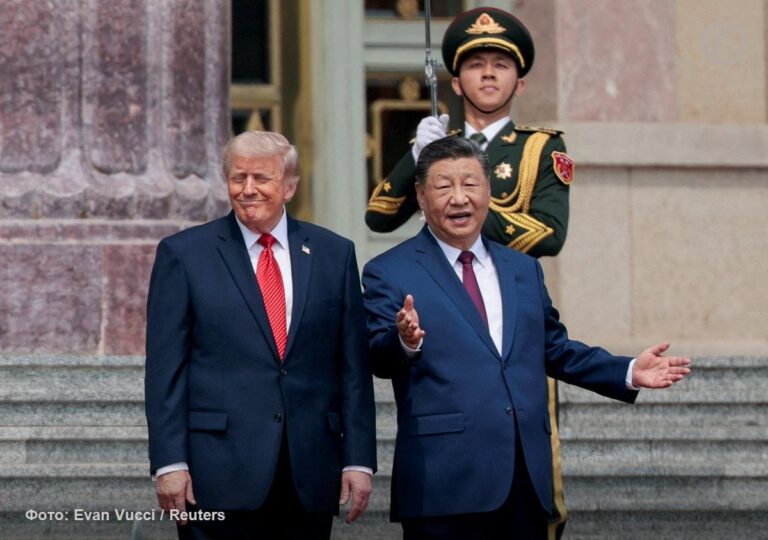
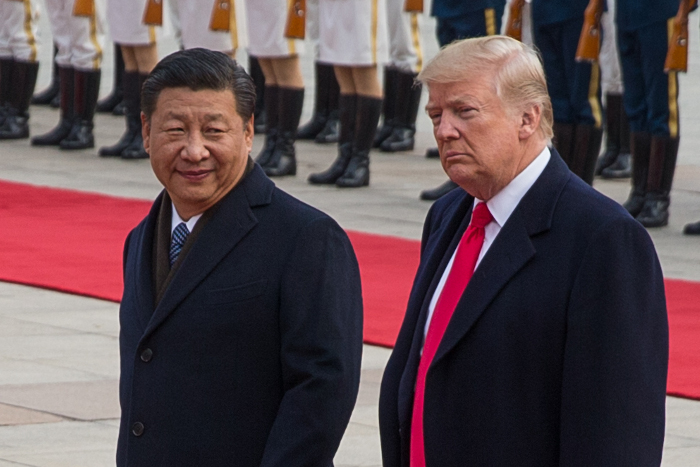
There is particular uncertainty about how the blockade will be applied to ships from neutral states and countries supporting Iran, primarily China and Russia. Inspecting ships can effectively be considered an act of war and could lead to serious diplomatic consequences.
China, although it receives only about 13% of its oil from Iran, is heavily reliant on energy supplies through the Strait of Hormuz overall. Moreover, the Middle East has gained special significance for Beijing in recent years: by 2025, China’s exports to this region were growing nearly twice as fast as to other parts of the world. Global instability poses a threat to the Chinese economy, and Beijing is unlikely to be interested in increasing US control over this strategically important route. Nevertheless, China traditionally adheres to a policy of non-intervention and has not yet shown a readiness to actively intervene.
Additional complications may arise if China decides to accompany its merchant ships with warships from its base in Djibouti. Additionally, the precedent of a maritime blockade could have broader implications: in particular, Beijing may consider similar measures in other regions, such as the South China Sea.
Against this backdrop, France and the United Kingdom announced plans to hold an international conference dedicated to restoring freedom of navigation in the strait. French President Emmanuel Macron emphasized that it is about creating a peaceful multinational defensive mission that is not affiliated with any side of the conflict.
Israeli Prime Minister Benjamin Netanyahu, on the contrary, expressed full support for the US actions, stating that the decision to impose the blockade is a tough but necessary step.
“`