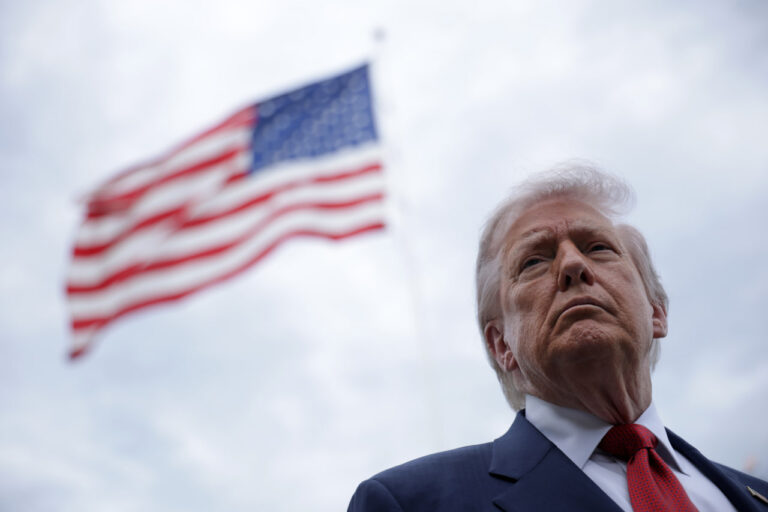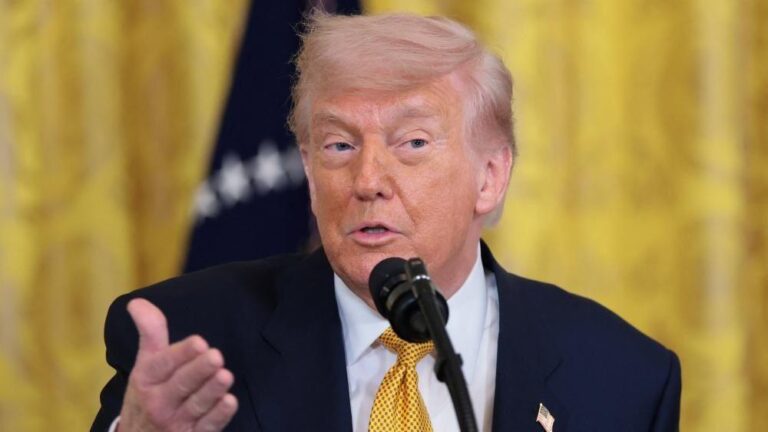



On April 16, U.S. President Donald Trump announced a ten-day pause in hostilities between Israel and the Hezbollah group. According to his statement made on the social network Truth Social, the ceasefire took effect on the night of April 16-17, reports Euronews.
Trump wrote that he had “wonderful conversations with the respected President of Lebanon, Joseph Aoun, and the Prime Minister of Israel, Benjamin Netanyahu,” who agreed on a 10-day cessation to achieve peace between the two countries.
To ensure a sustainable outcome, Trump instructed Vice President JD Vance, Secretary of State Marco Rubio, and Chairman of the Joint Chiefs of Staff General Dan Caine to coordinate efforts with the Israeli and Lebanese sides.
Trump also stated that he invites Israeli Prime Minister Benjamin Netanyahu and Lebanese President Joseph Aoun to the White House for the first direct leader talks in over 30 years.
“Both sides want to see PEACE, and I believe it will happen quickly!” Trump wrote.
Amid these diplomatic efforts, Israeli Prime Minister Benjamin Netanyahu initiated an emergency meeting with the security cabinet. Despite the announced pause, the head of the Israeli government previously stated his determination to continue operations until the complete elimination of threats from Hezbollah. He noted that Israeli troops would not be withdrawn from the occupied territories.
“We are about to take (the southern Lebanese town of) Bint Jbeil. We are essentially about to eliminate this major Hezbollah stronghold,” he stated.
He reported that he had instructed the Israel Defense Forces “to continue expanding the security zone in southern Lebanon and also extend it eastward towards the slopes of Mount Hermon.”
Meanwhile, despite the enforcement of the ceasefire between Israel and Lebanon, in the early hours of the announced truce, the IDF continued shelling the Lebanese towns of Al-Khiam and Debbin in southern Lebanon. As reported by the national Lebanese NNA agency, artillery strikes were carried out on the specified towns, as well as machine-gun fire. Additionally, drone attacks were reported in the Western Bekaa region, writes RBC.
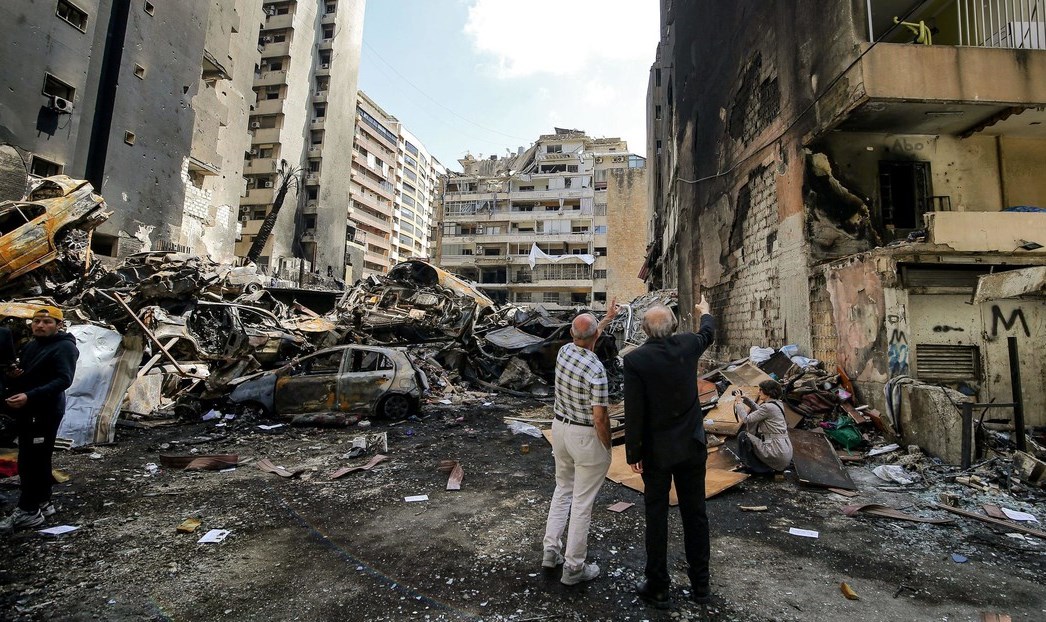
The Lebanese side reports serious humanitarian consequences of the conflict, stating that over 2,000 people have died since the beginning of March and approximately 1 million internal refugees are present.
Israel and Lebanon began negotiations in Washington this week aimed at reaching a peace agreement. There are no diplomatic relations between these countries.
All news about the war in the Middle East can be found in our report.