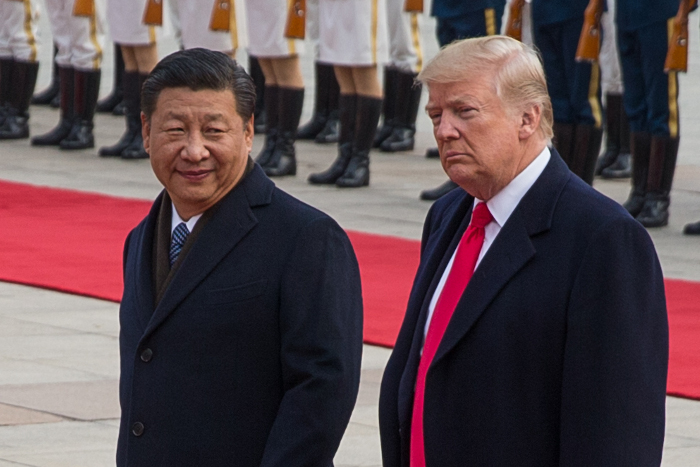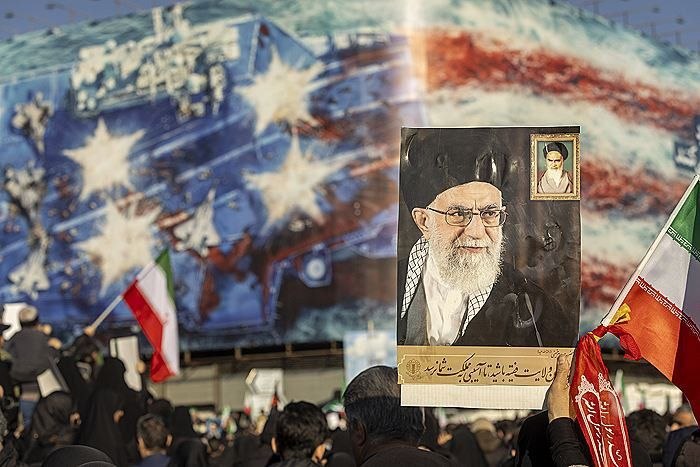
U.S. President Donald Trump accused Iran of violating the terms of the ceasefire and again threatened strikes on the country’s key infrastructure — including bridges and power stations. In response, Tehran stated that it was the U.S. that breached agreements after American forces seized a cargo ship flying the Iranian flag in the Gulf of Oman, writes the BBC.
According to Trump, the ship Touska attempted to breach the maritime blockade but was intercepted by the American destroyer USS Spruance in the Gulf of Oman. After the crew refused to comply, the ship was halted by force and is now under the control of the U.S. Marine Corps. The American side claims that the ship is subject to sanctions due to past illegal activities.
Meanwhile, the Strait of Hormuz, through which a significant portion of Middle Eastern oil shipments pass, remains closed since Saturday.
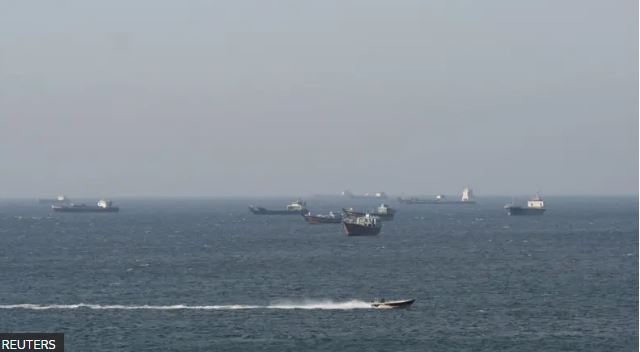
Iranian authorities described the incident as an “act of piracy” and a violation of the ceasefire, promising retaliatory measures.
Negotiations in Islamabad at Risk
Amid the escalation, the planned new round of negotiations between the U.S. and Iran, which was to take place in Islamabad, remains in question.
Trump stated that the American delegation is still heading there and offered Tehran a “fair deal,” threatening to completely destroy the country’s energy and transportation infrastructure if not.
The parties had previously agreed on a two-week ceasefire and began negotiations.
The American delegation is expected to be led again by Vice President J.D. Vance with the participation of special representatives Steve Witkoff and Jared Kushner.
The Iranian side was previously represented by the Speaker of Parliament Mohammad-Bagher Ghalibaf, but media reports suggest Tehran may withdraw from participation as long as the naval blockade continues.
Iran, in turn, stated that it will not open the Strait of Hormuz until U.S. restrictions are lifted. According to Iranian sources, the country’s military has already prevented several tankers from passing and is ready to consider any approach to the strait as a hostile action.
The U.S. claims to continue blocking Iranian shipping, having deployed dozens of ships since the start of the operation. Meanwhile, Iranian military officials consider such actions a violation of the ceasefire.
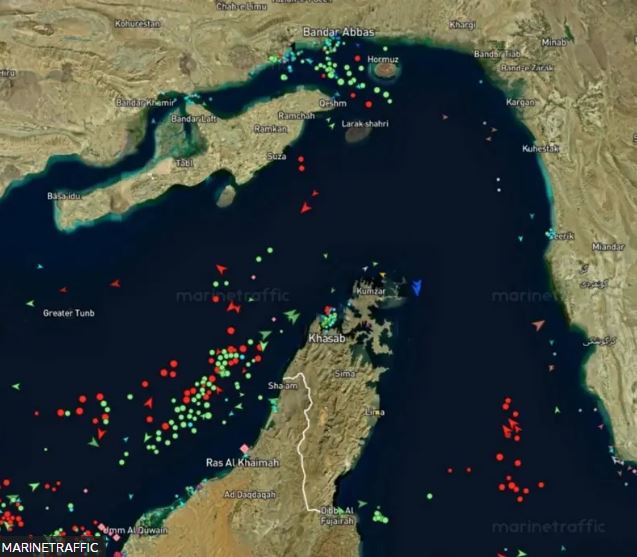
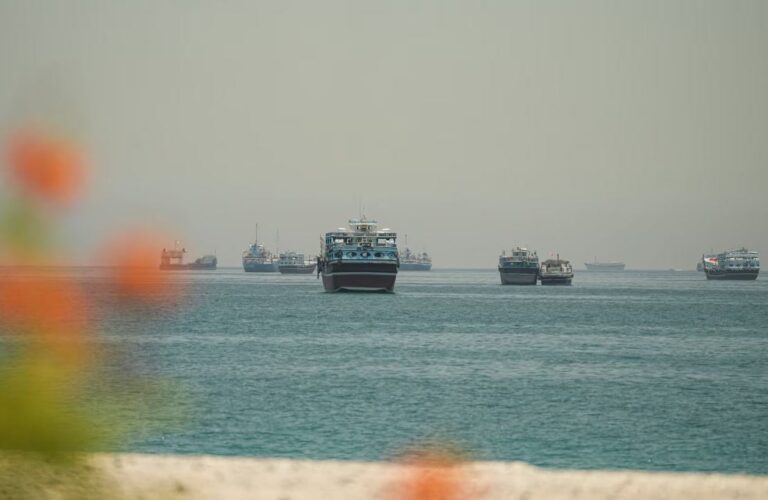
According to ship tracking services, traffic through the strait has nearly stopped: many vessels remain anchored in the Persian Gulf.
Over the weekend, incidents involving gunfire at tankers and container ships off the coast of Oman were also reported in the region, but crews, according to preliminary information, were not harmed.
Nearly 3,500 People Killed in Iran Due to Strikes by the U.S. and Israel
As a result of the U.S. and Israeli military operation, about 3,500 Iranian residents have been killed. This was stated by the head of the Iranian Foundation for the Affairs of the Deceased Seyed Ahmad Mousavi, reports Tabnak agency.
The military operation against Iran began on February 28. On April 7, U.S. President Donald Trump announced a two-week ceasefire.
According to Axios, Washington may resume hostilities if no progress is made in the negotiations soon.
Iran has stated it is ready for any development of the situation.
Chronology of Negotiations Between the U.S. and Iran
February 28: The U.S. and Israel launched strikes on Iran, causing diplomatic negotiations with Tehran in Geneva to collapse.
March 6: Donald Trump stated that there would be no agreement “unless Iran agrees to unconditional surrender.”
March 21: Trump set a deadline, threatening to strike Iran’s energy infrastructure if it did not agree to open the Strait of Hormuz.
March 23: Trump postponed his set deadline, citing “productive negotiations” — followed by a series of further postponements.
April 7: Trump warned of the death of “an entire civilization” if the strait was not opened by the next deadline.
April 8: Pakistan, acting as a mediator, announced a two-week ceasefire between the U.S. and Iran for further negotiations.
April 11: Senior officials from the U.S. and Iran, including Vice President J.D. Vance and Iran’s Foreign Minister Abbas Araghchi, met in Pakistan. After 21 hours of negotiations, Washington and Tehran failed to reach an agreement on key contentious issues.
April 12: Trump announced the blockade of Iranian ports.
April 17: Iranian Foreign Minister Abbas Araghchi stated that the strait would remain open until the end of the ceasefire. Trump stated that the American blockade would continue.
April 18: The Iranian Revolutionary Guard Corps announced that it had re-blocked the strait. Trump said “very good negotiations” were ongoing, but the U.S. would not succumb to “blackmail” regarding the Strait of Hormuz.