The Asian Development Bank (ADB) Country Partnership Strategy for Tajikistan (2026-2020) notes that high reliance on hydropower (i.e., 98% of total electricity generated) results in a power surplus during summer and acute deficits in winters, which in turn affects electricity availability outside Dushanbe.
In 2015, winter energy shortage was reportedly estimated at 1.1 terawatt-hours (TWh), about 9% of annual consumption.
Electricity exports from summer surplus to Afghanistan increased from $33 million (2013) and $39.3 million (2014) to $44 million (2015). However, unreliable winter electricity supply and the dependency of the aluminum industry on subsidized energy (which consumes about 40% of total electricity generated) coupled with a small finance sector (where 17 banks account for 84% of total finance sector assets or about 32.6% of GDP in 2014) impede private investments and limit industrial diversification. Tajikistan has had the lowest share of private investments among transition economies at 26% in 2000–2012 and its foreign direct investment stock reached $1.88 billion in 2014.
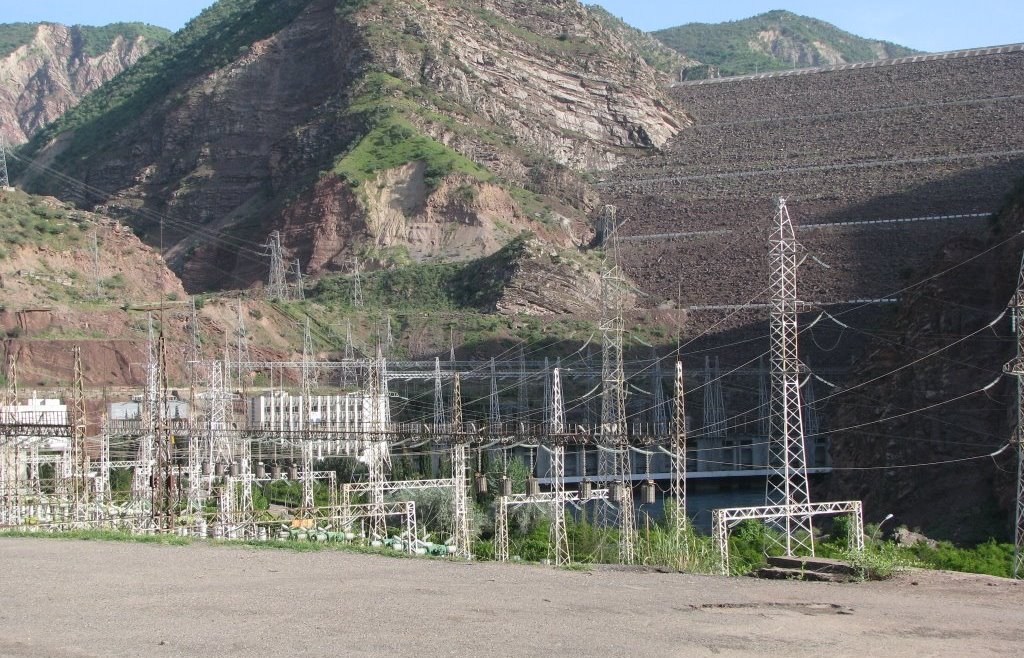
Tajikistan possesses the world’s eighth highest hydropower resources potential with about 220 terawatt-hours technically recoverable, but most of the existing hydropower plants require rehabilitation as they were built during the times of the former Soviet Union.
The document says ADB will support sector restructuring and reforms, modernizing generation and transmission assets, improving financial management and reducing system losses. Investments will improve the financial and operational performance of Barqi Tojik (state-owned enterprise) by separating assets and accounting for generation, transmission, and distribution; and improving tariff setting to remove cross-subsidies that favor state-owned enterprises and pumping stations at the expense of private enterprises, in addition to increasing electricity exports from its summer surplus. Investments in rehabilitating aging hydropower plants and transmission lines in remote areas will benefit the rural population.
Tajikistan joined ADB in 1998, and to date ADB has approved over $1.4 billion in concessional loans, grants, and technical assistance to the country. ADB’s current partnership strategy with Tajikistan focuses on improved connectivity, energy security, and private sector development.