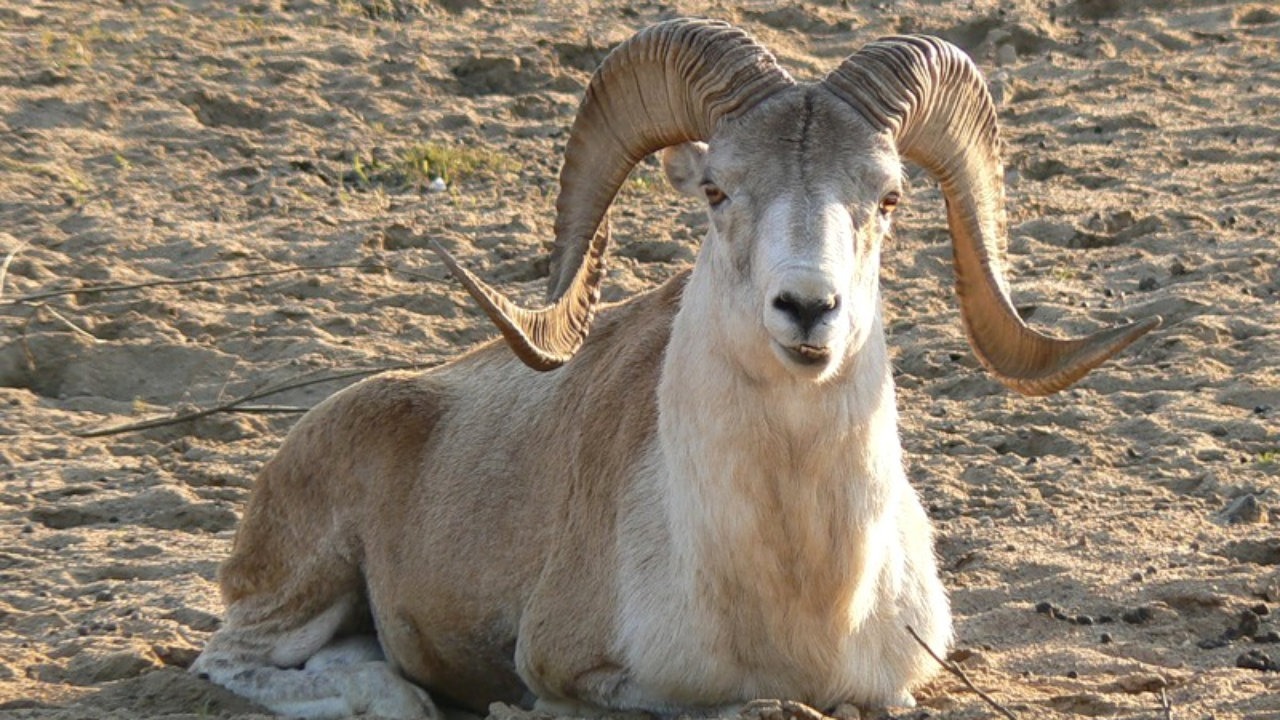
Issues related to transboundary collaboration on conservation of especially preserved ecosystems of mountain regions are being discussed by Tajik, Chinese and Nepalese researchers in Dushanbe today.
The event is being carried out in the framework of the regional transboundary initiative of the International Centre for Integrated Mountain Development (ICIMOD) on preservation and development of biodiversity of the Hindu Kush, Karakorum and the Pamirs.
In a report released at the conference, the Vice-President of the Academy of Sciences of Tajikistan, Abdusattor Saidov, pointed to the necessity of taking efficient measures to preserve many migratory animals of ecosystems of the mentioned mountain regions.
The conference participants plan to develop measures to preserve unique species of flora and fauna of the Pamirs, the Hindu Kush and Karakorum.
To preserve biodiversity the countries of the region have set up especially preserved territories, including Zorkul Reserve in Tajikistan, Wakhan National Park in Afghanistan, Kurumbar National Park, National Park of Pakistan, and Tashkurgan National Park (China).
The International Centre for Integrated Mountain Development (ICIMOD) is a regional intergovernmental learning and knowledge sharing center serving the eight regional member countries of the Hindu Kush Himalayas. ICIMOD serves eight regional member countries (RMCs) of the Hindu Kush Himalayan region – Afghanistan, Bangladesh, Bhutan, China, India, Myanmar, Nepal, and Pakistan – and the global mountain community. Founded in 1983, ICIMOD is based in Lalitpur, Nepal, and brings together a partnership of its regional member countries, partner institutions, and donors with a commitment for development action to secure a better future for the people and environment of the extended Himalayan region.
The idea of creating an institution to promote the ecologically sound development of mountainous regions was first discussed at the International Workshop on the Development of Mountain Environment in December 1974 in Munich, Germany, but it was only five years later in 1979 during a United Nations Educational, Scientific and Cultural Organisation (UNESCO) Regional Meeting in Kathmandu, under the framework of the Man and the Biosphere Programme, that concrete commitments were made to establish the Centre. The Government of Nepal offered to host the new institution, and the Governments of Switzerland and the Federal Republic of Germany and UNESCO agreed to act as the founding sponsors. The Government of Nepal and UNESCO signed the agreement that provided the legal basis for establishing the Centre in September 1981 in Paris. The Center was finally established and inaugurated on 5 December 1983 with its headquarters in Lalitpur, Nepal, and legitimized through an Act of Parliament in Nepal in the same year.