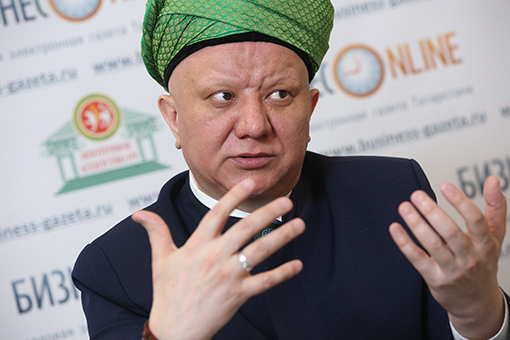
Moscow Grand Mufti Albir Kurganov has expressed concern about radicalization of Tajik migrants.
Kurganov warned of the danger of radicalization of Tajik migrants at a press conference in Moscow on October 16.
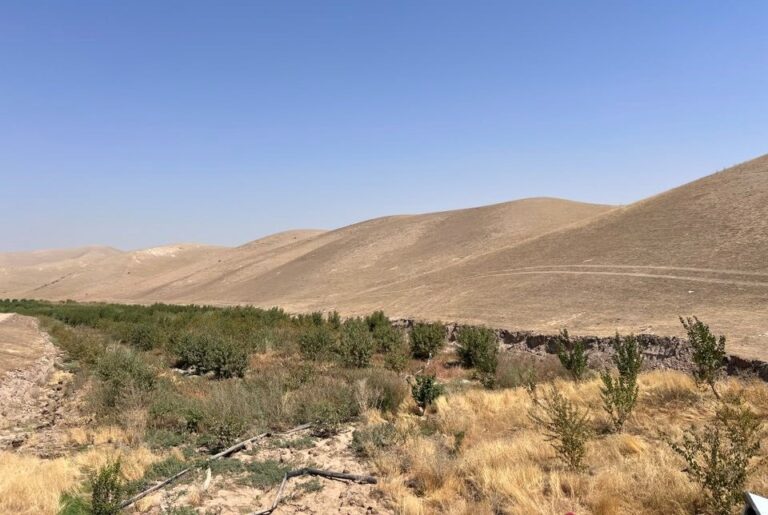
According to RIA Novosti, Kurganov links the danger of radicalization of Tajik migrant living in Russia to a new terrorist organization called “Khorasan,” which is being established along Afghanistan’s common borders with Tajikistan and Turkmenistan.
“Unfortunately, we observe radicalization of our migrants. There is a number of reasons for this, including recruitment of citizens by extremists. Migrants are very vulnerable mass,” Kurganov was quoted as saying at a press conference organized by Rossiya Segodnya (Russia Today) news agency on Monday.
Kurganov says Russia’s Muslim Spiritual Assembly is actively collaborating with Uzbekistan. Russia’s Muslim Spiritual Assembly and Muftiyat (Central Muslim Spiritual Board) of Uzbekistan have signed a cooperation agreement and the Uzbek side has actively worked on prevention of extremism and terrorism among its nationals, Kurganov said.
According to Kurganov, Tajikistan is in contrast to Uzbekistan.
“We have many migrants from this country. Currently, a new large terrorist group numbering several thousands of people, called “Khorasan”, is being established along Afghanistan’s common borders with Tajikistan and Turkmenistan. Since Tajikistan’s common border with Afghanistan is very fragile, there is a danger that many Tajik nationals living in Russia will join this organization. We are trying to contact with Tajikistan’s muftiyat and other structures of the country,” Moscow grand mufti noted.
“Unfortunately, Russian Muslims have not yet found understanding from the Tajik side,” Kurganov said.
He further added that it could not be excluded that the “Khorasan” group would replace the Islamic State (IS) terror group.
Meanwhile, some international experts note that most Tajik IS militants were recruited while working as labor migrants in Russia.
An article entitled How Can We Explain Radicalization among Central Asia’s Migrants? by Edward Lemon and John Heatherwhaw, in particular, notes that over 80% of the known Tajik ISIS fighters, for example, were recruited while working as labor migrants in Russia. Most Central Asian migrants are literate and semi-skilled, but often work in jobs far below their capability and find themselves exploited by their employers, according to the article.