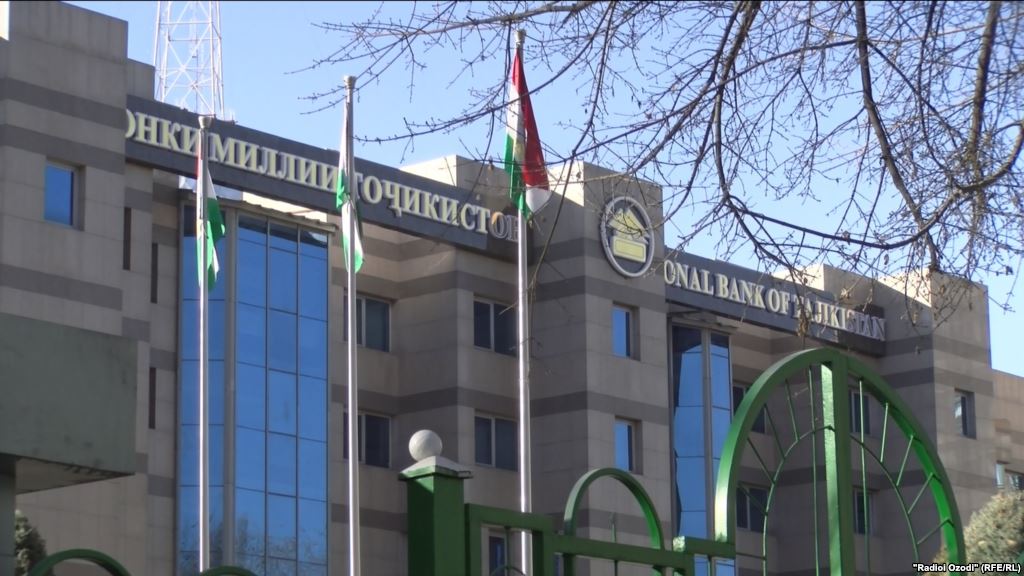
Tajikistan’s central bank cut its refinancing rate on January 23 to 14.75 percent from 16 percent, its first reduction this year, after inflation eased last year.
Tajikistan’s year-end inflation for 2017 has been estimated at 6.7 percent.
In December, Tajikistan’s inflation rate stood at 0.3 percent, according to the National Bank of Tajikistan (NBT).
Tajik central bank had previously forecast that the year-end inflation for last year would to stand at 7.0 percent.
Recall, the NBT in March last year raised its refinancing rate to 16 percent from 12.5 percent set on January 31, 2017.
On January 31, 2017 the NBT raised its refinancing rate by 1.5 percent to 12.5 percent from 11 percent set on July 22, 2016. In March, Tajik central bank raised its refinancing rate to 16 percent.
On July 22, 2016, Tajik central bank raised its refinancing rate by 2 percent to 11 percent from 9 percent set on March 1, 2016.
On March 1, 2016 raised its refinancing rate by 1 percent to 9 percent from 8 percent set on December 22, 2015.
On December 22, 2015, the NBT raised its refinancing rate by 1.1 percent to 8.0 percent from 6.9 percent set on October 9.
On October 9, 2015, the NBT raised its refinancing rate by 1.0 percent to 6.9 percent from 5.9 percent set on May 19, 2014.
On May 19, 2014, Tajik central bank raised its refinancing rate by 1.1 percent to 5.9 percent from 4.8 percent set on January 10, 2014.
On January 10, 2014, Tajik central bank lowered its refinancing rate to 4.8 percent from 5.5 percent set on October 7, 2013.
On October 7, 2013, the NBT lowered its refinancing rate to 5.5 percent from 6.1 percent set on July 9, 2013.
In 2012, Tajik central bank reportedly lowered its refinancing rate four times — from 9.0 set on February 24 to 6.5 percent set on August 15, 2012.
In 2011, the National Bank of Tajikistan raised its refinancing rate on October 14 to 10 percent from 9.0 percent set in March.
In 2010, the NBT changed the refinancing rate only once, in November. Tajik central bank raised the refinancing rate from 8 percent in July 2009 to 8.25 percent in November 2010.
In 2009, the NBT changed the refinancing rate four times and the 8-percent rate set in July 2009 was the lowest refinancing rate in 2003-2009. In 2009, the refinancing rate was lowered from 10% on May 12 to 9% in late June. Before that, the refinancing rate was lowered from 13.5% to 12% on January 28 and to 10 percent on May 12.
In 2008, Tajik central bank changed the refinancing rate three times. On April, the bank cut it from 16 percent on February 8 to 14.75 percent. On July 3, the refinancing rate was reduced from 14.75 percent to 14 percent and on November 19, it was reduced to 13.5 percent.
The highest refinancing rate was reported for October 2003 – 18.06 percent and the refinancing rate for December 2003 was 8.22 percent.
Refinancing, which is one of the main instruments of monetary policy, can alter the monthly payments owed on the loan either by changing the loan's interest rate, or by altering the term to maturity of the loan. More favorable lending conditions may reduce overall borrowing costs. Another use of refinancing is to reduce the risk associated with an existing loan. Interest rates on adjustable-rate loans and mortgages shift up and down based on the movements of the various indices used to calculate them. By refinancing an adjustable-rate mortgage into a fixed-rate one, the risk of interest rates increasing dramatically is removed, thus ensuring a steady interest rate over time. This flexibility comes at a price as lenders typically charge a risk premium for fixed rate loans.