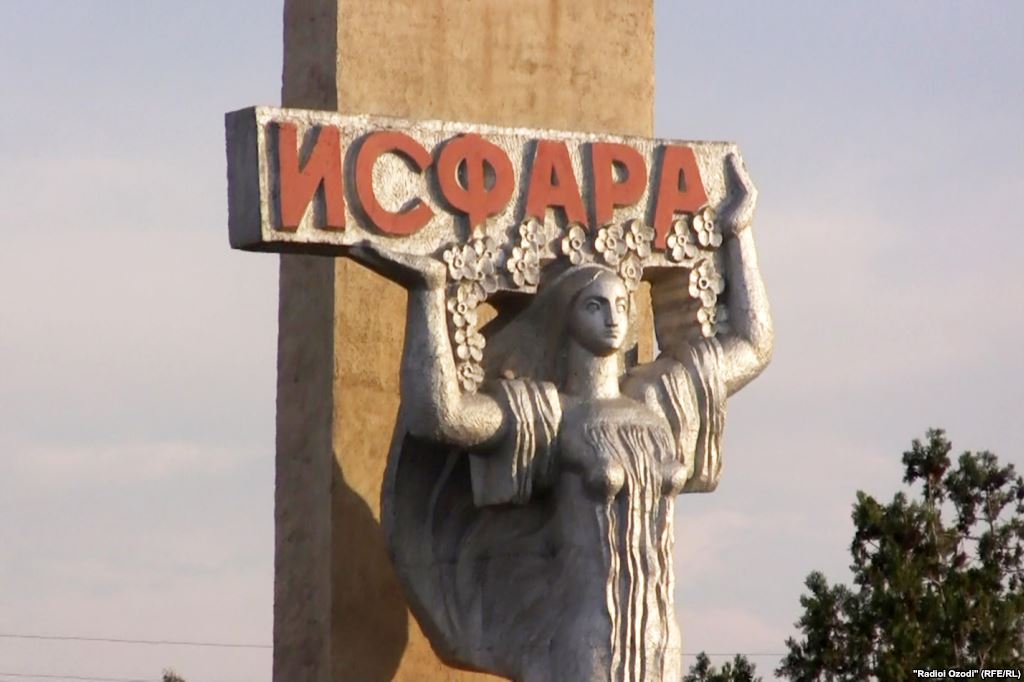
45 mosques shut down in Isfara for not meeting sanitary requirements and poor state, says Isfara mayor

Worrying about radical Islam, Tajik authorities are continuing to target ‘illegal’ mosques. “45 mosques have been shut down in Isfara for not meeting sanitary requirements and poor state,” Isfara Mayor Dilshod Rasoulzoda told reporters in Isfara on January 24. “Local residents have proposed to convert these mosques into social facilities such as kindergartens, first aid […]

Asia-Plus

Worrying about radical Islam, Tajik authorities are continuing to target ‘illegal’ mosques.

“45 mosques have been shut down in Isfara for not meeting sanitary requirements and poor state,” Isfara Mayor Dilshod Rasoulzoda told reporters in Isfara on January 24.

“Local residents have proposed to convert these mosques into social facilities such as kindergartens, first aid stations, libraries, etc.  But for this there is necessary permission of the Committee on Religious Affairs (CRA).  Besides, it is necessary to renovate them,” the mayor said.

Rasoulzoda also noted that 153 residents of Isfara had been studying religious schools abroad.  “All of them have been returned home,” the mayor said.  

According to him, several residents of Isfara are illegally participating in military conflicts in other countries.  “All of them were recruited by extremist and terror organizations in Russia while they were working there as labor migrants,” Rasoulzoda stressed.     

As of January 1, 2018, the population of the northern city of Isfara is estimated at 261,500 and the city now has one central mosque, 100 "five-time" prayer mosques and 11 Friday prayer mosques (larger facilities built for weekly Friday prayers). 

A government campaign to shut down unofficial mosques in Tajikistan appears to be driven by fears some of them may be used to preach Islamic fundamentalism.  

The authorities cite a law on religion passed in 2009 which included the requirement that only purpose-built premises can qualify as places of worship, and set specific criteria for whether a community is entitled to build one.  The law also sparked a process where religious institutions of all kinds had to re-register with the government.
Article translations:

Related Article

Оби зулол

Most Read

Join us on social media!

Recent Articles

Mudflows and dust storms expected in Tajikistan

Citizens are urged to protect themselves from dust.

Russia doubles temporary stay duration for truck drivers from CIS and Georgia

Tajik drivers will have their term increased from 90 to 180 days a year.

How a guide dog project could help people with visual impairments in Tajikistan

In Tajikistan, there is an enthusiast who can build such a school, but he urgently needs help, primarily financial.

Wildberries opened access to the platform for all sellers from Tajikistan

Now local brands, manufacturers, and individual entrepreneurs can enter the largest online platform and expand their sales market.

CMWP Uzbekistan: The boutique hotel market in Tajikistan shows the fastest growth in the region

Such hotels in the republic offer their guests a high level of comfort and convenience.

Emomali Rahmon signs decree on increasing salaries and paying bonuses to IT sector workers

The document provides for the creation of a new incentive system for specialists in the field of information technology.

Not advertising, but influence: what was discussed at IMPACT Creative Night and why businesses need meaning today

Today, audiences trust direct advertising less and less, which means brands have to compete not for attention, but for trust and a place in the agenda.

Russia extends the experiment on collecting biometrics from foreigners

The decision was justified by the necessity of gradually modernizing all border crossing points.

“Convenient, affordable, and cheap”: Dushanbe residents speak out on raids against shared taxis

They say that late at night buses and trolleybuses disappear from the streets, so cheap route taxis remain the only way for many to get home.