
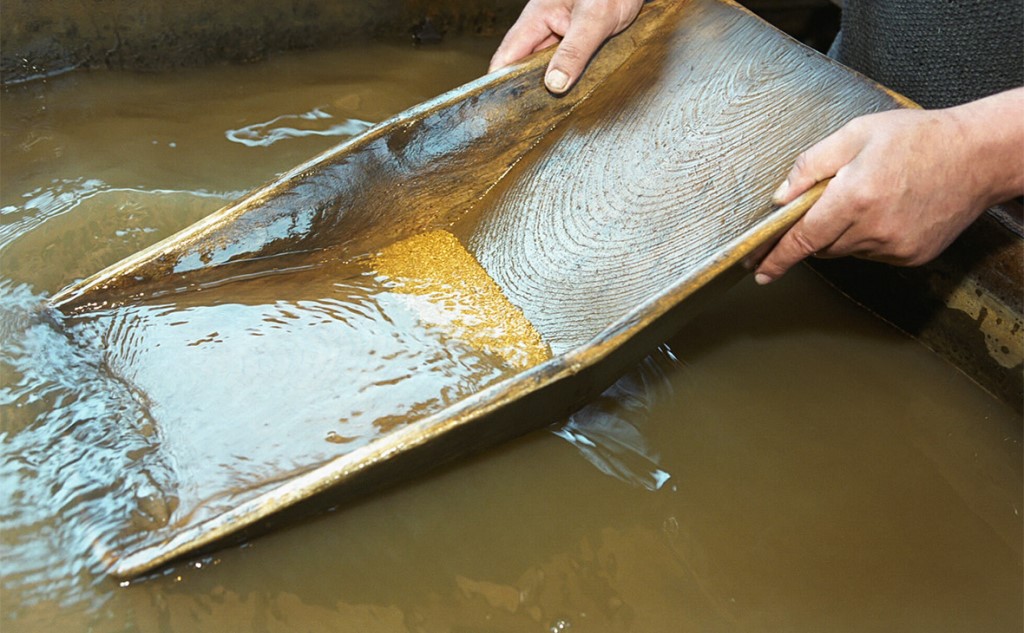
Tajikistan has legalized artisanal and small-scale precious metal and stone mining. For individual production of precious metals and stones, Tajik nationals have to get license from the Ministry of Finance and they should sell the produced precious metals and stones to the state treasury.
The government endorsed the rules of giving licenses to individual persons to produce precious stones and metals in artisanal and small-scale ways on November 27 this year.
The list of precious metals permitted to be produced in artisanal and small-scale ways includes: gold; silver; platinum; tin (stony tin); tungsten (wolframite, scheelite); titanium (rutile, ilmenite, eucoxene); and rare-earth elements minerals (loparitis, monazite, xenotime, bastnesitis).
The list of precious and semi-precious stones permitted to be produced in artisanal and small-scale ways includes: ruby; sapphire; chrysolite; topaz; beryl; spinel; clinogumite; garnet; nephritis; agate; rhinestone; placers of antimony, fluorite and other minerals in eluvial, deluvial, proluvial and colluvial deposits.
While producing precious metals and stones, prospectors have the right use hand tools, equipment with an engine power of not more than 50 horsepower and mini-washing devices with a production capacity of not more than 5m³ / hour.
They should sell the produced precious metals and stones to the state treasury or to the points set up by the state treasury.
Physical entities should rehabilitate land plots and other natural objects affected during the extraction works and bring them in a condition suitable for further use.
The alluvial placer gold deposits are located in the north and southeast of the country and Tajik geologists say that development of those deposits will create more than 1,500 new jobs.
Typical locations for alluvial gold placer deposits are on the inside bends of rivers and creeks, in natural hollows; at the break of slope on a stream; the base of an escarpment, waterfall or other barrier; and within sand dunes, beach profiles or gravel beds.
