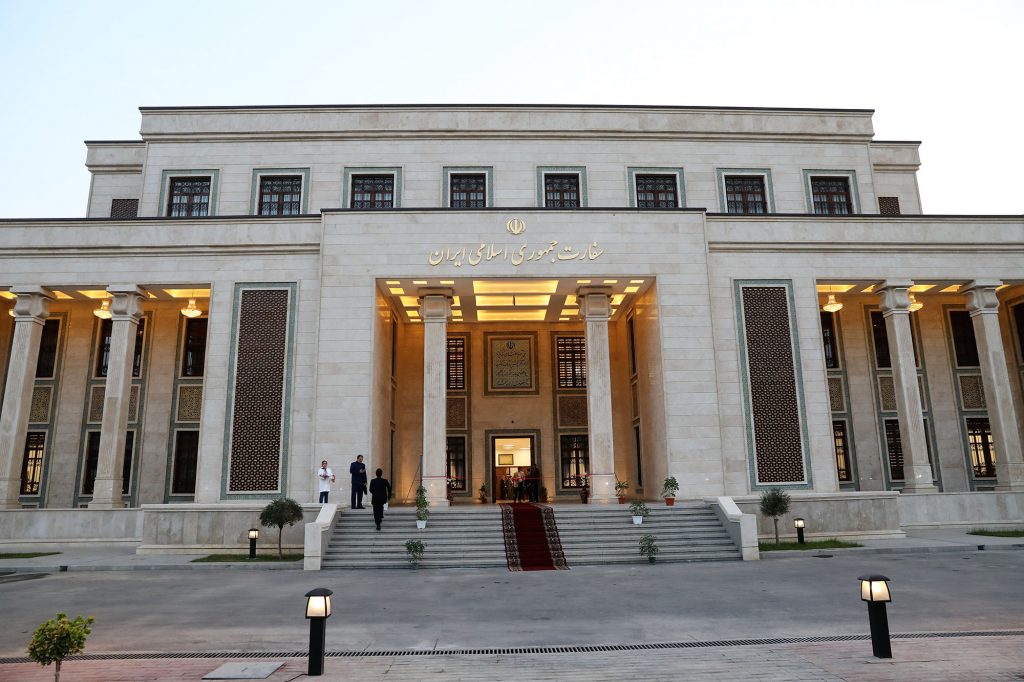
Iran’s Embassy in Dushanbe has released a statement condemning assassination of General Qasem Soleimani.
The statement, in particular, says that General Soleimani has played invaluable role in fighting and destroying ISIS and other terrorist and radical organizations in Iraq and Syria.
The statement notes that General Soleimani had been to Baghdad at an official invitation of the Iraqi authorities.
“The commission of this crime and state terrorism, which is the biggest strategic mistake of its perpetrators in Western Asia, demonstrates that the only way to bring peace to the region is not to rely on foreign armed forces but to strengthen friendship and all-round cooperation between the countries of the region in the framework of creation of the security network based on general interests of these countries,” the statement stresses.
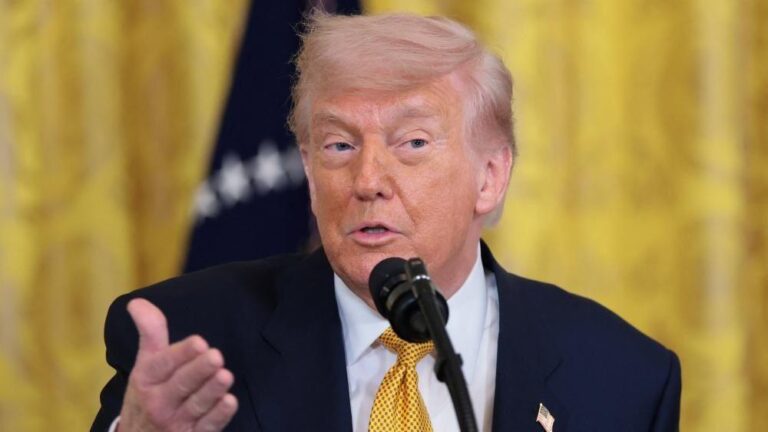
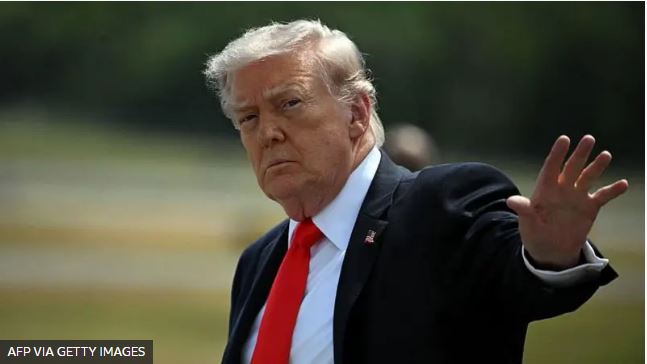
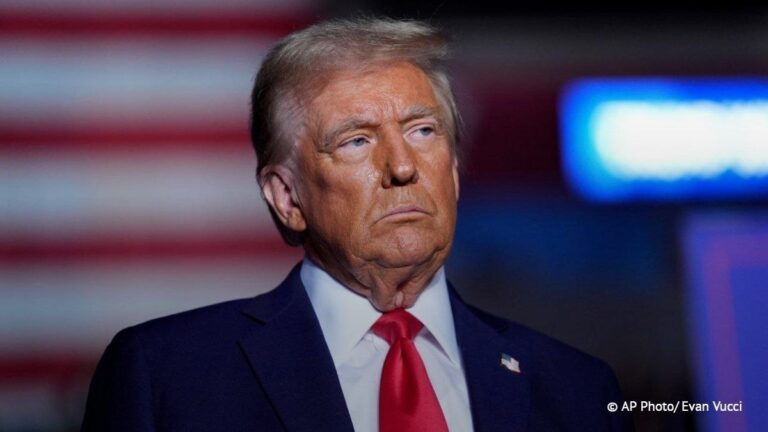
Iran’s Embassy notes that US President Donald Trump’s threats to target Iranian cultural sites are a clear sign of war crime.
“Iran will not succumb to threats and reserves the right to respond to any threats or actions aimed against it,” the statement says.
Qasem Soleimani (born March 11, 1957 – January 3, 2020) was one of top generals in the Islamic Revolutionary Guard Corps (IRGC) and, from 1998 until his death in 2020, commander of its Quds Force, a division primarily responsible for extraterritorial military and clandestine operations.
Soleimani began his military career at the start of the Iran–Iraq War during the 1980s, eventually commanding the 41st Division. He was later involved in extraterritorial operations. Soleimani reportedly oversaw the Kurdish and Shia militia forces in Iraq, and assisted the Iraqi forces that advanced against ISIS in 2014–2015. Soleimani was widely popular among Iranians, where his supporters viewed him as a "selfless hero fighting Iran's enemies."
Soleimani was killed in a targeted U.S. drone strike on January 3, 2020 in Baghdad, which was approved by President Donald Trump. Some commentators have disputed the necessity of the strike and expressed concern over the risk of an Iranian response. A multi-city funeral was held in Iraq and Iran for the assassinated general and other casualties. Hours after his burial on January 7, 2020, the Iranian military launched missiles against U.S. bases in Iraq.