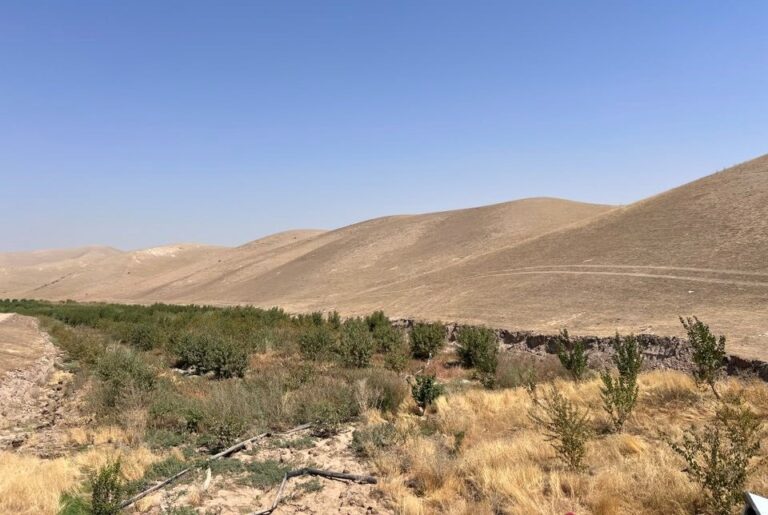
Tajikistan experiences multiple natural hazards such as avalanches, earthquakes, floods, mudflows and landslides every year. According to data from the Emergencies Committee under the Government of Tajikistan, there are 381 disaster-prone areas in the country, with more than 30 percent of them being landslide-prone areas. The majority of the landslide-prone areas are located in Rasht Valley (eastern Tajikistan) and Khatlon province.
According to data for 2017, 10,780 families live in disaster-prone zone. Of course, not all of them are at high risk of emergency. According to the Emergencies Committee, about 1,400 families are at high risk of emergency and they are planned to be relocated to safe place before the end of this year.
Environmental migrants in Khujand
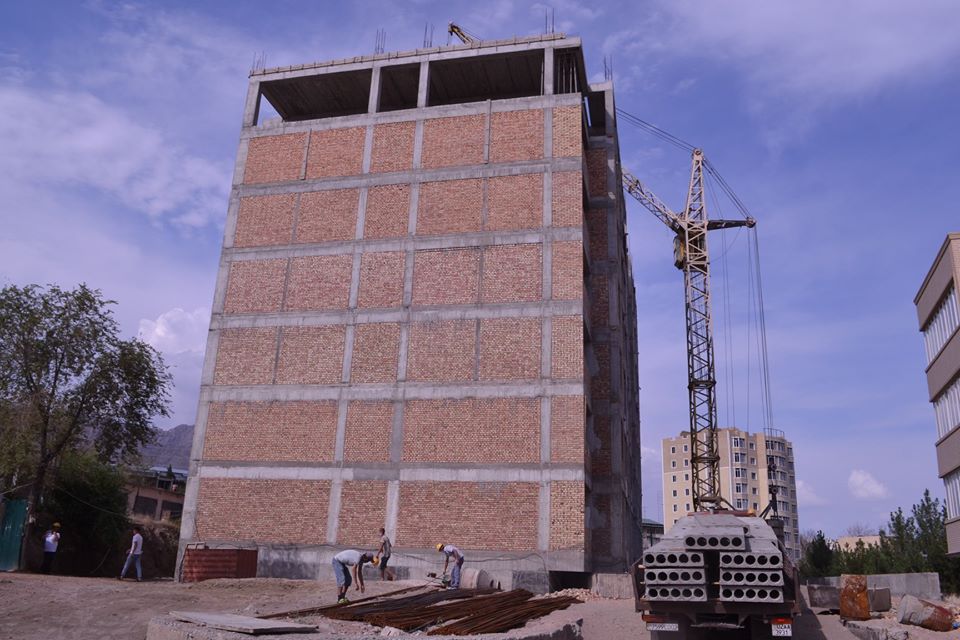
As it had been reported earlier, a nine-story apartment building is being constructed for environmental migrants in Khujand, the capital of the northern province of Sughd. This 72-apartment building is being constructed in Khujand’s 18th neighborhood unit due to funds provided by the Khujand Administration
According to the Khujand Administration press center, builders have constructed seven floors of this apartment building to date.
Families living in environmentally unfavorable areas on the left bank of the Syr Darya River, where the groundwater level is high, will move to this apartment building.
The environmental migrants are expected to celebrate housewarming in this multi-story apartment building at the end of this year.
Environmental migrants are people who are forced to leave their home region due to sudden or long-term changes to their local environment. These are changes which compromise their well-being or secure livelihood. Such changes are held to include increased droughts, desertification, sea level rise, and disruption of seasonal weather patterns. Climate refugees may choose to flee to or migrate to another country, or they may migrate internally within their own country.
Despite problems in formulating a uniform and clear-cut definition of environmental migration, such a concept has increased as an issue of concern in the 2000s as policy-makers, environmental and social scientists attempt to conceptualize the potential societal effects of climate change and general environmental degradation.