The Millati Solim (Healthy Nation) project will be launched in Tajikistan in 2024.
The project will benefit primary health care users in the project districts and the country’s entire population that will benefit from improvements to the national health emergency prevention, preparedness, and response system.
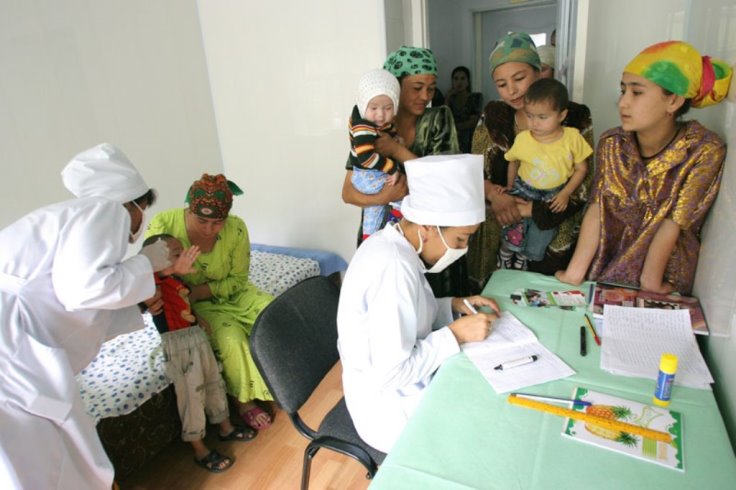
The beneficiaries include people of all ages, including those with or at risk of non-communicable diseases, young children, pregnant women, adolescents, elderly people, and victims of gender-based violence. Project beneficiaries also include medical and non-medical staff of healthcare facilities, who will receive training and benefit from improved working conditions through the project, which may potentially improve retention of qualified staff.
The project is expected to be launched in January next year and to be completed on December 31, 2028.
Press release issued by the World Bank says the World Bank approved funding of US$57.25 million for the Millati Solim project on October 24. The project is co-financed by grant funding from the International Development Association (IDA) (US$40 million), the Global Financing Facility for Women, Children and Adolescents (US$12.5 million), and the Health Emergency Preparedness and Response Program (US$4.75 million).
Ms. Mirja Sjöblom, the World Bank Task Team Leader for the Millati Solim project, says, “The Millati Solim project will introduce structural reforms to healthcare financing and management that are critical for the sector to perform and for the country to make progress toward achieving Universal Health Coverage.”
According to her, they expect the project to have long-lasting impacts, so that basic health services are accessible and affordable to all, including the most vulnerable, and so that Tajikistan becomes better equipped to tackle future public health emergencies.
This project is expected to contribute to better health for the Tajik people by improving the quality and efficiency of primary healthcare services in selected districts of the country and strengthening the national capacity to respond to public health emergencies.
The Millati Solim project will also support the Ministry of Health and Social Protection of the Population of Tajikistan to introduce important modernizations to the healthcare system, including by digitalizing, connecting, and improving information flows at the primary care level and introducing health financing reforms, including new ways of paying primary healthcare providers.
Despite significant progress over the past two decades, Tajikistan continues to lag in key health indicators such as life expectancy, child mortality and stunting, coupled with rising cases of non-communicable diseases. Ensuring access to quality and affordable primary healthcare services, especially for women, children and adolescents, in the poorest districts will help improve health outcomes and strengthen human capital. This requires substantive improvements in health infrastructure, equipment, supplies, and skills of healthcare workers. In many places, the quality of primary care is inhibited by facilities not meeting minimum standards. The COVID-19 pandemic showed that Tajikistan also requires significant investments for strengthening its capacity to adequately prevent and respond to health emergencies, and to do so at the primary healthcare level – through emergency-ready primary health care.