In 2032, Tajikistan will generate electricity only from the renewable energy sources, that is it will provide 100 percent “green energy” (currently 98 percent).
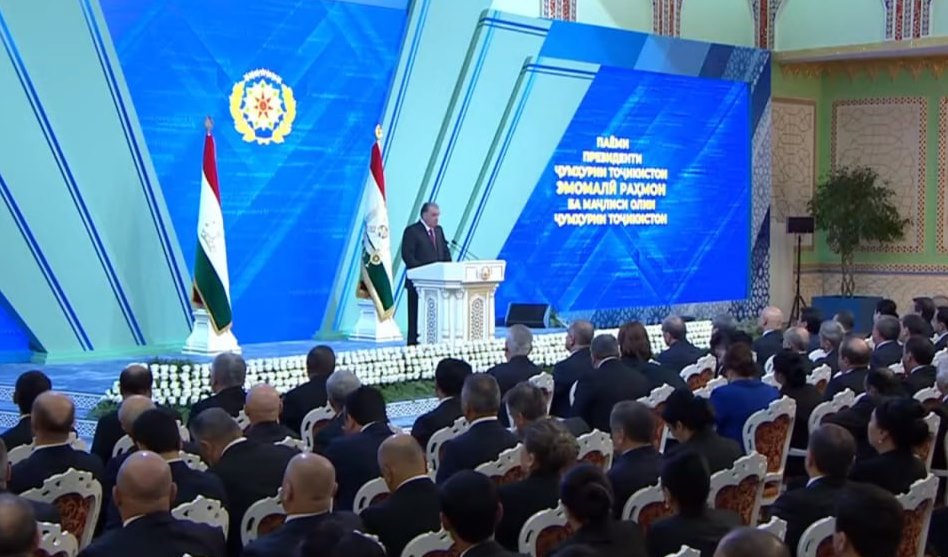
President Emomali Rahmon stated this on December 28 while addressing a joint meeting of both chambers of parliament.
“As one of the leading countries in terms of development of “green economy”, Tajikistan will truly become a “green country” by 2037,” the president said.
According to data from the Agency for Statistics under the President of Tajikistan, the country has generated about 19.9 billion kWh of electricity over the first eleven months of this year. Of this amount, 95.1 percent has been generated by hydropower plants, more than 4.8 percent by thermal power plants and 0.004 percent by solar power plants.
Renewable energy is energy derived from natural sources that are replenished at a higher rate than they are consumed. Sunlight and wind, for example, are such sources that are constantly being replenished. Renewable energy sources are plentiful and all around us.
Generating renewable energy creates far lower emissions than burning fossil fuels. Transitioning from fossil fuels, which currently account for the lion’s share of emissions, to renewable energy is key to addressing the climate crisis.
Renewables are now cheaper in most countries, and generate three times more jobs than fossil fuels.
A green economy is defined as low carbon, resource efficient and socially inclusive. In a green economy, growth in employment and income are driven by public and private investment into such economic activities, infrastructure and assets that allow reduced carbon emissions and pollution, enhanced energy and resource efficiency, and prevention of the loss of biodiversity and ecosystem services.