Tajikistan has identified 15 pegmatite zones through geological surveys, Mukhtor Fozilzoda, an official with the Main Geology Directorate under the Government of Tajikistan, said in an interview with the state-run news agency Khovar on December 9.
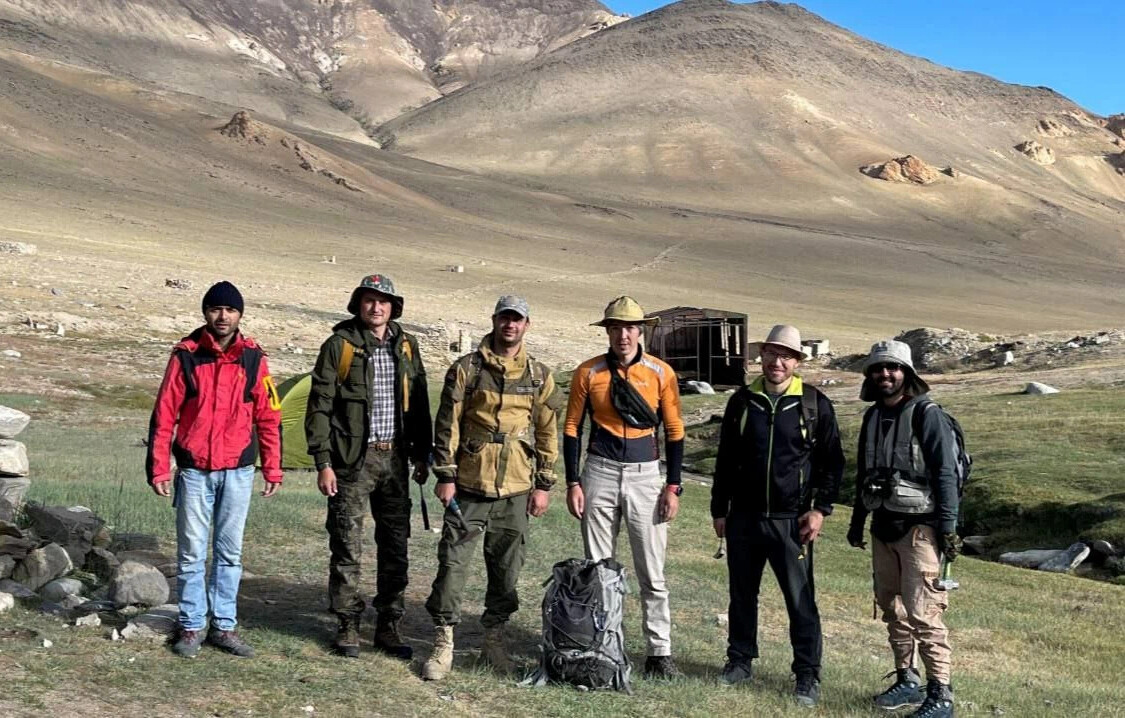
He noted that these promising areas, containing rare metals including lithium, are primarily located in the eastern part of the country in remote and sparsely studied regions.
According to the geologist, the research revealed significant reserves of rare metals, especially lithium, which is a strategic resource for the production of batteries and renewable energy technologies.
"The natural resource potential is fundamental to Tajikistan's economy, serving as a foundation for its stable, long-term development. Therefore, enhancing the efficient exploration and use of natural resources is a strategic goal of the government's economic policy. Without addressing this, achieving sustainable economic development is challenging. An essential component of the country's natural resource potential is its mineral and raw material base," Fozilzoda emphasized.
He highlighted that Tajikistan's rich natural resources are evidenced by the fact that more than 70 of the 118 elements in Mendeleev's periodic table have been discovered in the country’s depths. Out of these, 45 elements have been studied, and 30 are currently being extracted and utilized.
"Tajikistan is one of the richest countries in the world in terms of reserves of silver, boron, antimony, mercury, rock salt, precious and semi-precious stones, and other valuable minerals," he stated.
Fozilzoda also pointed out that over the past four years, deposits of the following minerals have been discovered: gold, silver, antimony, lead, zinc, vanadium, iron, tantalum, niobium, lithium, beryllium, lanthanum, cerium, praseodymium, neodymium, samarium, europium, yttrium, and others.