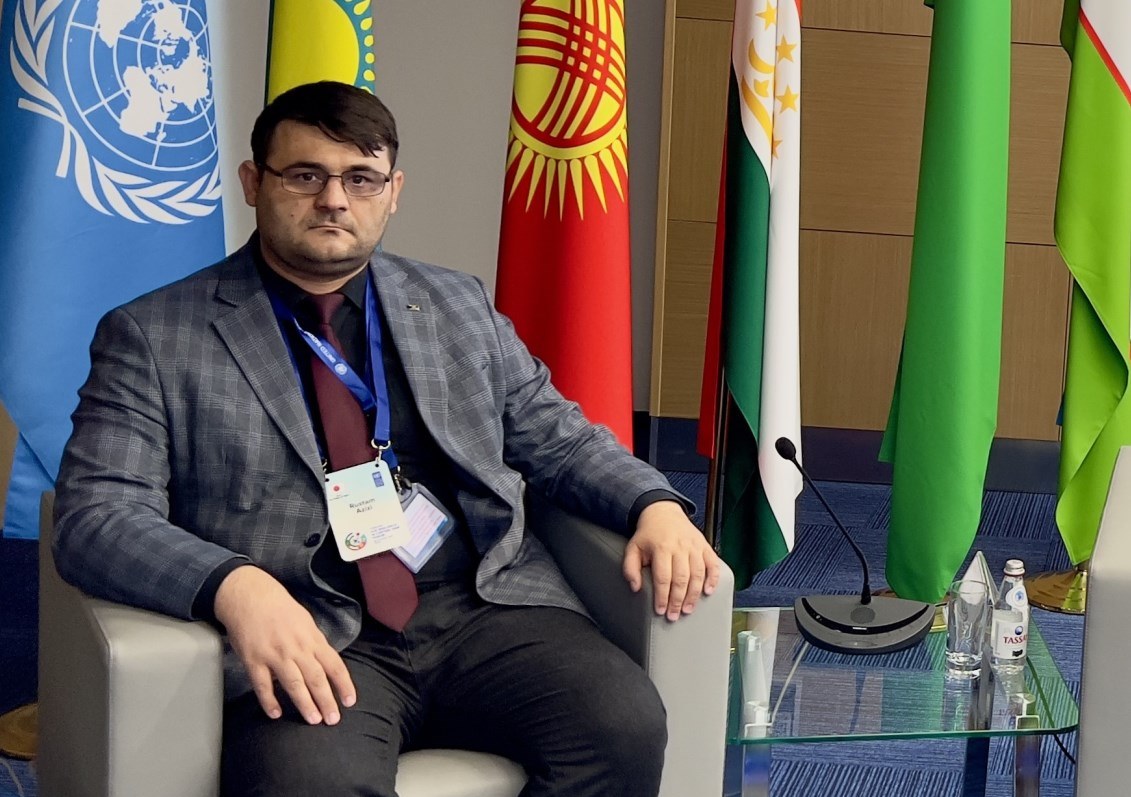
Why has the current counterterrorism agenda lost its relevance? This issue is analyzed by Rustam Azizi, an expert in countering violent extremism.
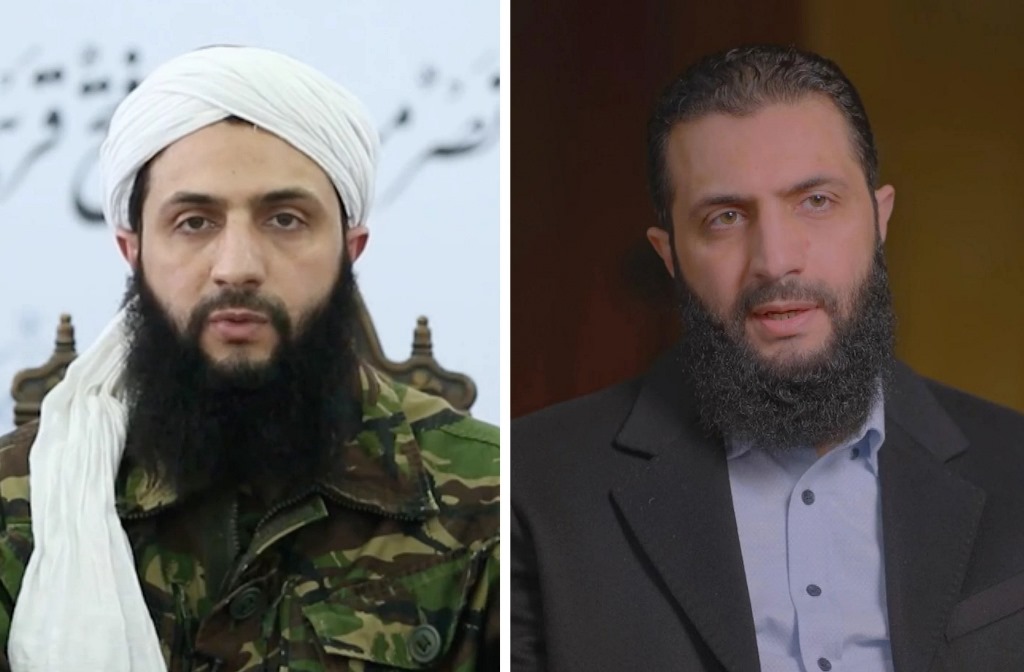
On January 29, Ahmed al-Sharaa (al-Sharaa), formerly known under the pseudonym Abu Muhammad al-Julani, was declared the interim president of Syria. This development—especially the global reaction—shocked not only the general public but also analysts, experts, and policymakers.
Never before has the narrative on extremism and terrorism shifted so rapidly—in just a few months.
A person who, until recently, had a US$10 million bounty on his head as a terrorist and extremist is now, de facto, leading a country and the global media portrays him as a “progressive leader.”
Credit must be given to him and his media team—he presents himself impressively, skillfully shaping and adapting his image according to the audience’s expectations. This has led many to reassess their views or adjust their rhetoric toward him and his team.
Even his recent adversaries either remain strategically silent or modify their stance.
The crisis of the counterterrorism agenda
The situation in Syria highlights a key lesson: regimes entirely dependent on external support are unstable and doomed to collapse. Allies easily shift their rhetoric, turning “terrorists” into “opposition forces” based on how they interpret their own interests.
The changing approach to the Taliban by some in the international community, along with Donald Trump’s radical and unpredictable statements and actions, only reinforce the notion that the counterterrorism policies and security frameworks developed over the past three decades are failing and can no longer be seen as effective strategies.
Over the past two decades, the United Nations helped shape a structured counterterrorism agenda based on an institutional-personal principle—certain organizations were designated as extremist and terrorist, and their leaders or members were labeled as extremists and terrorists.
Despite its flaws, this methodology enabled coordinated efforts among various actors and provided a clear global framework—who is “good,” who is “bad,” who is banned, and who is not.
National counterterrorism strategies were developed in alignment with this global framework, leading to the creation of official lists of banned organizations and individuals. Counterpropaganda was promoted, and anti-extremist narratives were crafted.
However, this entire system is now losing effectiveness—and, to some extent, even becoming obsolete outside certain countries.
Major global players can add or remove groups or leaders from the list of banned organizations at any time. Even when certain organizations or their leaders remain on these lists, governments still engage in open negotiations, pay visits, or host them in their countries.
These new dynamics put states adhering to traditional counterterrorism policies in a difficult position. Trust in international mechanisms is eroding—someone who was labeled a “terrorist” yesterday is now recognized as a politician. And this transformation is not dictated by international law but rather by the interests of global powers.
Hypocrisy or new realities?
This situation is no longer just a case of double standards—it appears to be blatant hypocrisy and a deliberate disregard for previous principles. At least, that is how it might seem to an outside observer.
Relying on multilateral agreements and obligations is becoming much more challenging.
At present, the only organization still officially recognized as a global threat is the Islamic State (IS) terror group (particularly Islamic State-Khorasan, or IS-K). However, even in this case, unexpected shifts in rhetoric and policy remain possible—given previous examples of sudden policy reversals.
Central Asian countries: a strategy of uncertainty and possible scenarios
In the new geopolitical realities, Central Asian countries find themselves in a strategic deadlock. Their counterterrorism models, built on international recommendations, are now outdated. However, revising these strategies is complicated by strict legal frameworks, financial risks, and social concerns. Meanwhile, the international legitimization of certain radical groups is strengthening their influence in the region.
This creates additional threats, such as: increased recruitment into extremist movements; the return of foreign fighters; the spread of jihadist ideology—especially fueled by propaganda portraying the armed takeover of power in Afghanistan and Syria as a success
Additionally, shifting official rhetoric may cause internal distrust. If the government once held one position but now promotes another, this undermines the consistency of state policy.