Tajikistan and Kyrgyzstan continue to receive congratulations following the signing of the State Border Treaty between the two countries. Meanwhile, experts across Central Asia are assessing the event, unanimously calling it historic.
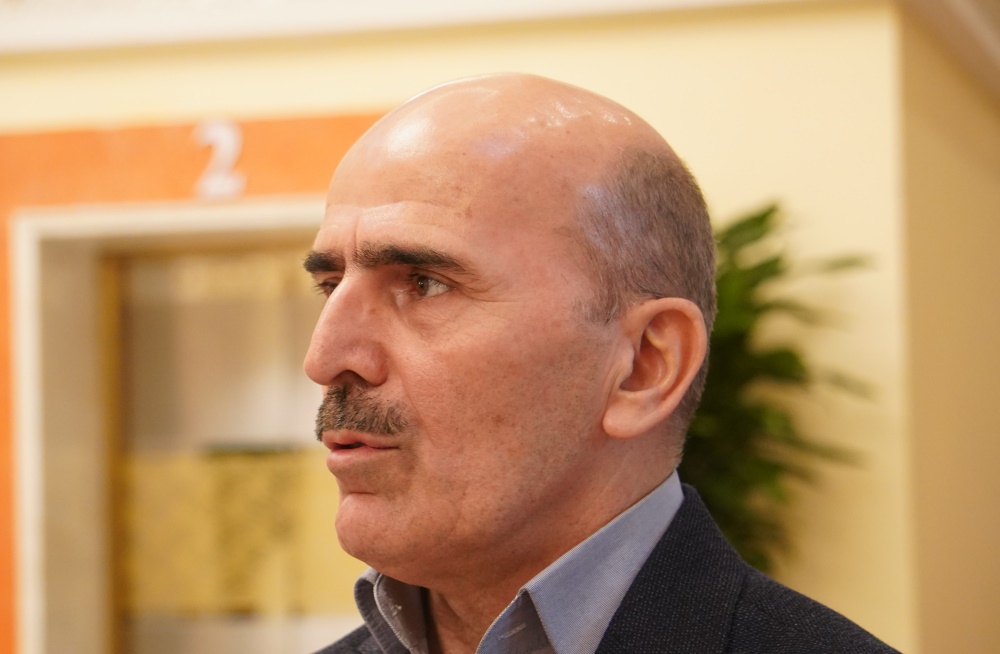
Tajik political analyst Qosim Bekmuhammad highlighted the political will of both governments in reaching a border consensus, which put an end to years of disputes and conflicts.
“The settlement of Tajik-Kyrgyz border disputes was complicated by a number of factors, requiring a rational approach that would largely serve the interests of both sides. This required time and political will, which, fortunately, Dushanbe and Bishkek ultimately demonstrated," he told Asia-Plus in an interview.
He emphasized that in previous border disputes among Central Asian countries, the idea of third-party mediation had never been raised. However, in the case of Tajikistan and Kyrgyzstan, since 2020, there were multiple offers of mediation from external parties. Nevertheless, Dushanbe and Bishkek insisted on resolving the issue bilaterally.
“By adhering to this principle, both sides have made significant progress in negotiations over the past year, ultimately resolving the border disputes. Therefore, the signing of the State Border Treaty between Tajikistan and Kyrgyzstan, along with other related agreements, clearly reflects the political will and mutual desire of the leaders and peoples of both nations," Tajik expert noted.
Bekmuhammad also underlined that the President of Tajikistan initially rejected third-party mediation, choosing instead to focus exclusively on bilateral talks. As a result, this approach demonstrated the capability of Tajikistan and Kyrgyzstan to resolve disputes solely through political and diplomatic means.
"Of course, all Central Asian countries supported the swift resolution of the Tajik-Kyrgyz border dispute, considering it an important element in strengthening regional integration.
“However, some analysts, disregarding the enormous efforts made by Tajikistan and Kyrgyzstan in the negotiation process, are unprofessionally and biasedly attempting to attribute the success mainly to third-party involvement—thus questioning Dushanbe and Bishkek’s ability to reach a compromise. But such tactics will no longer work and will have no impact on Tajik-Kyrgyz relations,” the political analyst concluded.