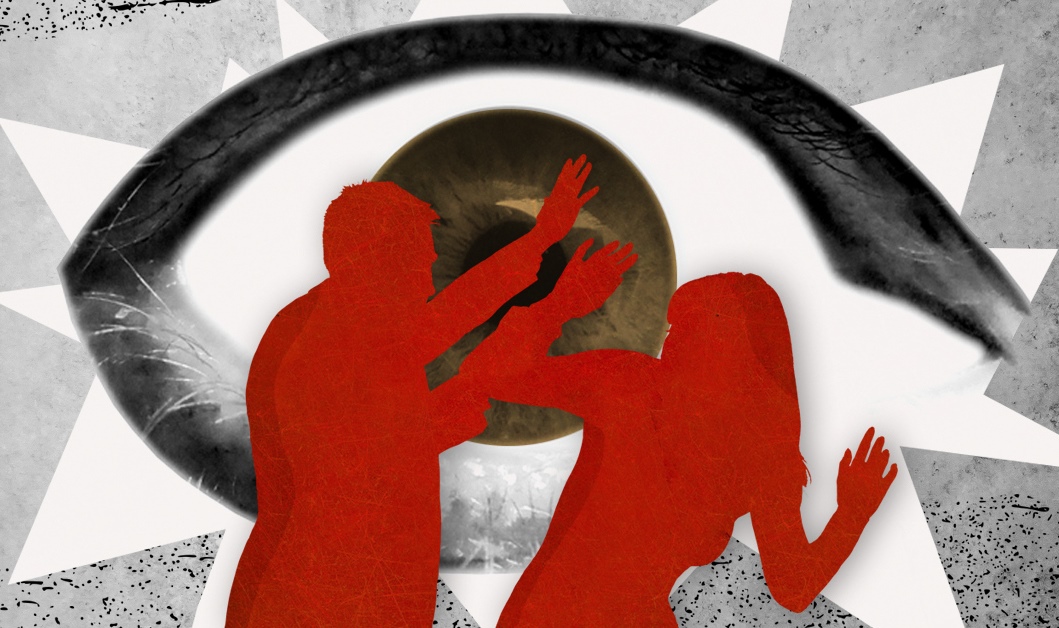
Journalists from three Central Asian countries – Kazakhstan, Tajikistan and Uzbekistan — spent several months gathering stories about domestic violence and created the media project, By the Rules of Uyat. "Uyat" (shame) in Kazakhstan enforces gender stereotypes, victim-blaming, and inadequate protection for women and children.
Now, they need time to recover after immersing themselves in such a difficult topic. But they are not planning to stop covering gender issues. They say they simply cannot anymore.
Details about the project and how a local context grows into its own gender agenda are in the article from Novyy Reporter.
The idea for the media project, By the Rules of Uyat, emerged at the very beginning of the Sultanat case. In the fall of 2023, when the tragedy was being followed by the entire world (and all of Central Asia, primarily), the future participants of the project were planning their materials.
However, the implementation of the project did not begin immediately. Only a year later did the team receive support as part of the Increasing Audience Resilience through Credible Stories (CARAVAN) project in Central Asia, funded by the European Union, and the work began.
In the rapidly changing media agenda, topics tied to high-profile events usually lose their relevance quickly, but not in this case.
The By the Rules of Uyat project, which was conceived as a platform where women who have experienced domestic violence would speak out, unfortunately, remains needed today.
The team consisted of journalists from Kazakhstan, Tajikistan, and Uzbekistan, but Kyrgyz colleagues also assisted.
Heroines from different countries in the region shared almost identical stories, the cruelty of which was shocking. Experts in each republic spoke about how domestic violence is a common problem.
In February 2025, when the By the Rules of Uyat project was in full swing, a change in the U.S. presidential administration took place.
Many USAID projects aimed at developing gender equality and social inclusion, which had largely shaped the gender agenda in the region, began to rapidly close down.
Gender components that had once been mandatory in any international program started being removed from projects.
“Of course, it was at least unexpected for everyone: the agenda suddenly turned in the opposite direction, and at the same time, we were working on such a sensitive project. We discussed what was happening within the team, but it was absolutely clear that this shift in discourse shouldn't concern us. We are heading in the right direction. By that time, we had already spoken with the heroines, and the gathered information only confirmed the relevance: the violence turned out to be even worse than we had imagined," says journalist from Kazakhstan, Olga Likhogray.
Olga's colleagues say that despite the fact that events in America did not affect their project, they began thinking more about how to independently continue promoting gender equality ideas.