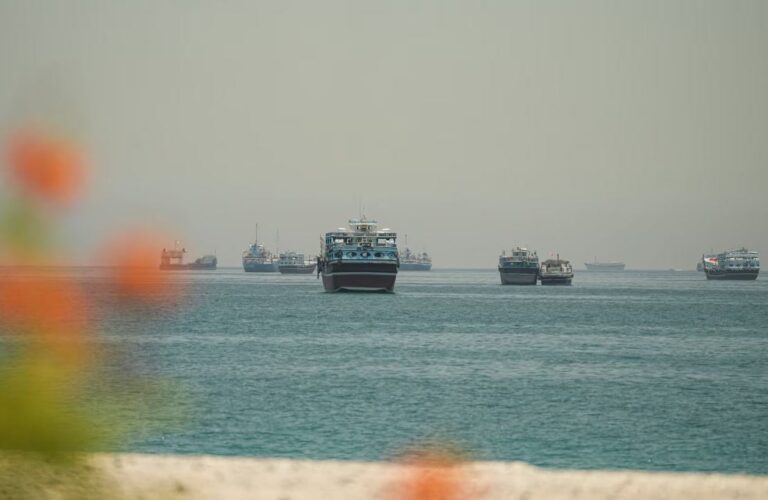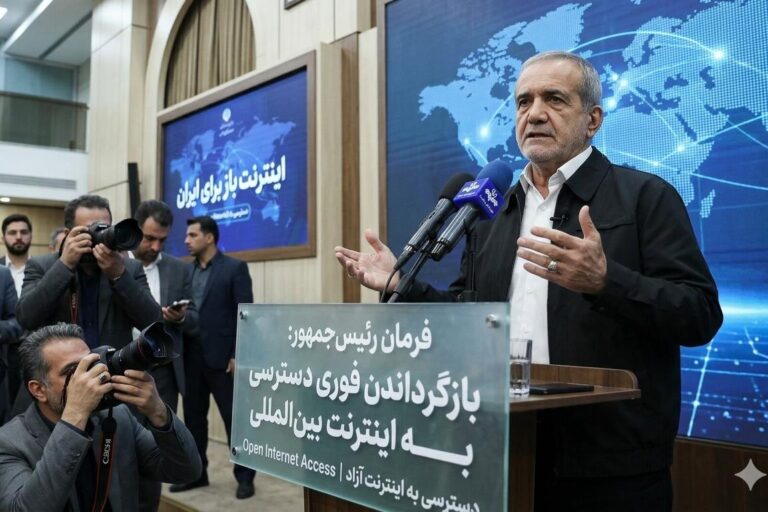


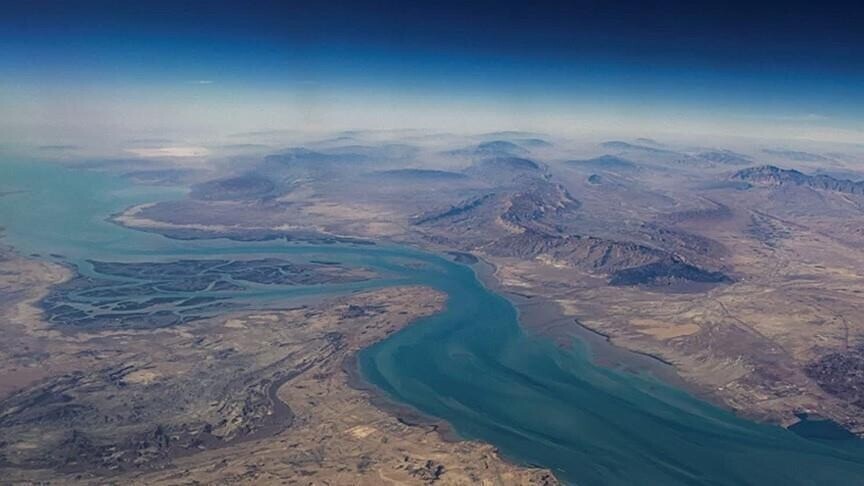
Iran has reported receiving the first revenues from charges for ships passing through the Strait of Hormuz. This was announced by the Deputy Speaker of the Iranian Parliament, Hamid Reza Haji Babaei.
Fars News Agency (FNA) reports that according to him, “the first revenues from the charges for passage through the Strait of Hormuz have been credited to the Central Bank’s account.”
Anadolu Agency (AA) cited the semi-official Tasnim news agency as reporting that Hamid Reza Haji Babaei noted that if the policy of pressure and threats from the United States continues, the strait will not be open.
He reportedly stressed that Iran’s position is “not in negotiations, but in obtaining its rights,” adding that Tehran seeks full sovereignty over the Strait of Hormuz.
“The demand of the Iranian people is that the strait belongs to Iran, and all passing ships pay taxes in the national currency — rials,” he stated.
Haji Babaei reminded of the strategic significance of the strait, through which about 20% of the world’s oil trade and 35% of natural gas pass.
“Control over the Strait of Hormuz signifies Iran’s role in the international economy. We control this strait, and the first revenues from transit fees have already been credited to the Central Bank’s account,” he noted.
However, the official did not specify from which ships and within what timeframes the fees were collected.
On March 22, Iranian authorities announced the introduction of a charge — about $2 million for the passage of certain ships through the strait. According to Alaeddin Boroujerdi, a member of the parliamentary committee on national security, this measure is linked to the fact that “war requires costs” and reflects the establishment of a “new sovereign regime” in this maritime corridor.
A week earlier, Iran again strengthened the blockade of the Strait of Hormuz, amid which the United States imposed restrictions on trade in Iranian ports.
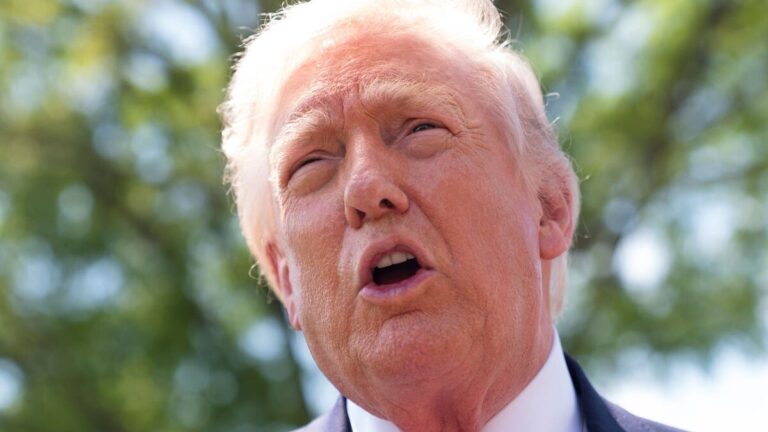
President Donald Trump on April 22 stated that new negotiations between the countries could take place in the next 36–72 hours.
The previous round, held on April 11, ended without agreements — the parties failed to reach an agreement on Iran’s nuclear program and navigation rules in the strait.