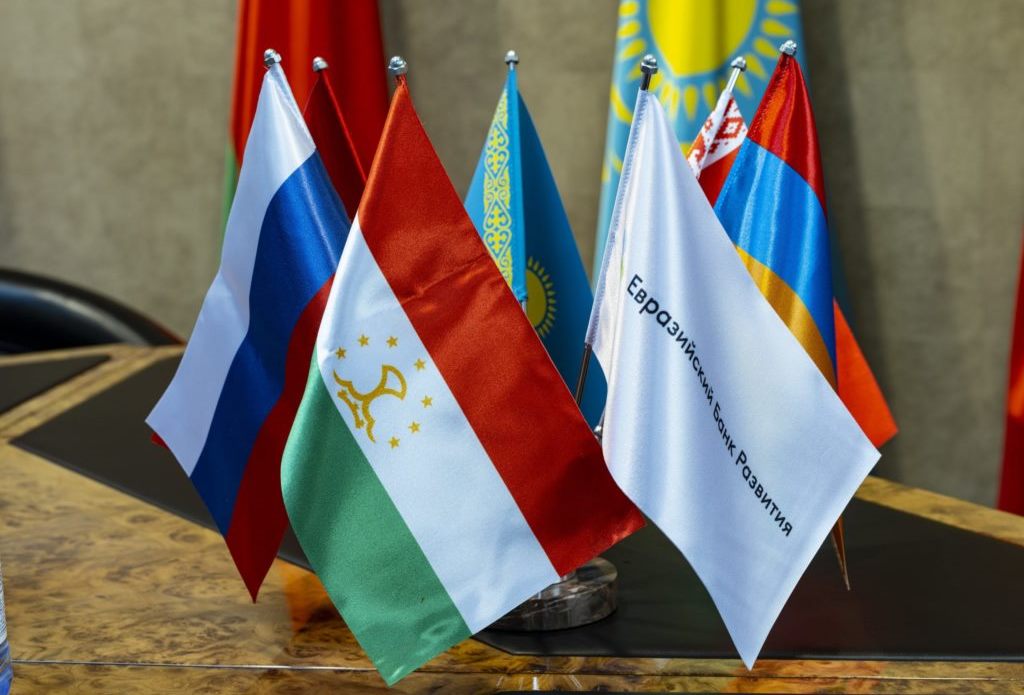
Tajikistan's economy is expected to maintain robust growth in the medium term, according to analysts from the Eurasian Development Bank (EDB). In their latest macroeconomic forecast for 2026–2028, the EDB predicts that the country's GDP will grow by approximately 8.1% in 2026, positioning Tajikistan among the leaders of economic growth in the Eurasian region.
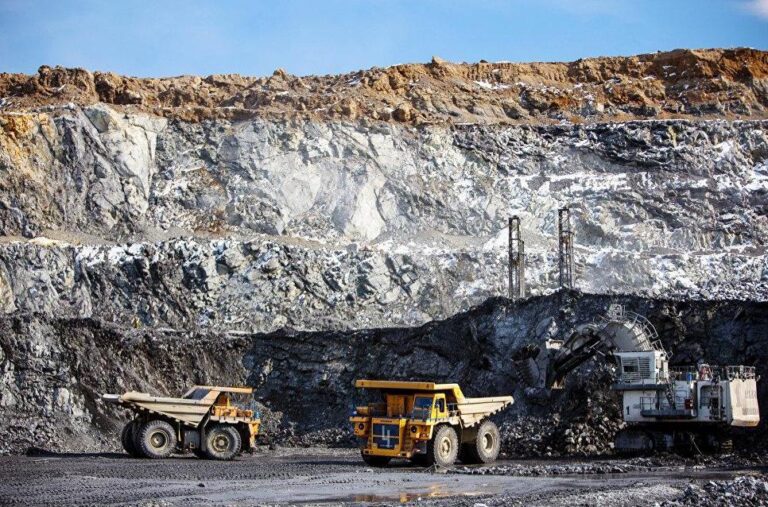
The bank’s analysts identify key drivers of this growth as the expansion of energy and manufacturing sectors, along with favorable market conditions for gold and non-ferrous metals, which remain significant export revenues for the country.
Inflation and the somoni exchange rate
EDB economists anticipate that inflation in Tajikistan will accelerate to 4.5% year-on-year by the end of 2026, but it will remain within the target range of 5% ± 2 percentage points. This, according to analysts, indicates relative price stability and the effectiveness of the country’s monetary policy.
The exchange rate of the national currency, the somoni, is expected to remain stable. The average exchange rate in 2026 could hover around 9.8 somonis per US dollar. Support for the somoni will come from increased exports and remittances from labor migrants, which continue to play a crucial role in the country’s economy.
Regional growth projections
Overall, the aggregated GDP growth for the seven member countries of the EDB in 2026 is forecasted to be 2.3%. Tajikistan, along with Kyrgyzstan, is expected to demonstrate one of the highest growth rates in the region.
For comparison, the EDB’s growth projections for 2026 are as follows:
· Kyrgyzstan: 9.3%
· Uzbekistan: 6.8%
· Kazakhstan: 5.5%
· Armenia: 5.3%
· Russia: 1.4%
· Belarus: 1.8%
Thus, Tajikistan is expected to outperform the regional average and significantly surpass the growth rates of the largest economies in Eurasia.
External factors and their impact
EDB analysts note that the anticipated dynamics of the global economy and commodity markets will neither pose a major obstacle nor serve as a powerful growth driver for the region. However, for oil-importing countries like Tajikistan, lower oil prices will improve trade conditions and help contain domestic price inflation.
An additional support factor for Tajikistan’s economy will be sustained high gold prices, which are expected to boost foreign currency inflows and strengthen the country's external financial position.
EDB's 2025 preliminary outlook
In the EDB's macroeconomic forecast, preliminary results for 2025 show that after two years of record growth, the region’s economy is returning to more moderate growth rates. However, Central Asian countries, including Tajikistan, continue to maintain high economic activity, which helps keep external debt stable and enhances the region's investment attractiveness.
The EDB forecast confirms that Tajikistan is part of a group of countries with the highest growth rates in Eurasia. At the same time, analysts emphasize the importance of investments, exports, and remittances, underscoring the need for continued structural reforms and economic diversification.
EDB expectations and Dushanbe’s plans: points of convergence and questions
The EDB’s forecast largely aligns with the official rhetoric of Tajikistan’s authorities regarding maintaining high economic growth rates. In his latest address, President Emomali Rahmon highlighted the importance of keeping GDP growth at no less than 8% and achieving this through industrialization, expanding energy capacities, developing processing industries, and attracting investments.
In turn, the EDB forecasts an 8.1% growth rate for Tajikistan’s economy in 2026, with energy, manufacturing, gold and non-ferrous metal exports, and remittances from migrant workers as the key drivers.
However, the EDB forecast places greater emphasis on external factors—commodity prices and migration flows—while official documents focus more on internal sources of development and structural transformation. This divergence does not indicate a contradiction, but rather highlights an important point: to achieve the stated goals of doubling GDP and reducing poverty in the medium term, Tajikistan will need to reduce its vulnerability to external shocks and accelerate the transition from quantitative growth to growth based on productivity improvements, the creation of quality jobs, and the expansion of the domestic market.