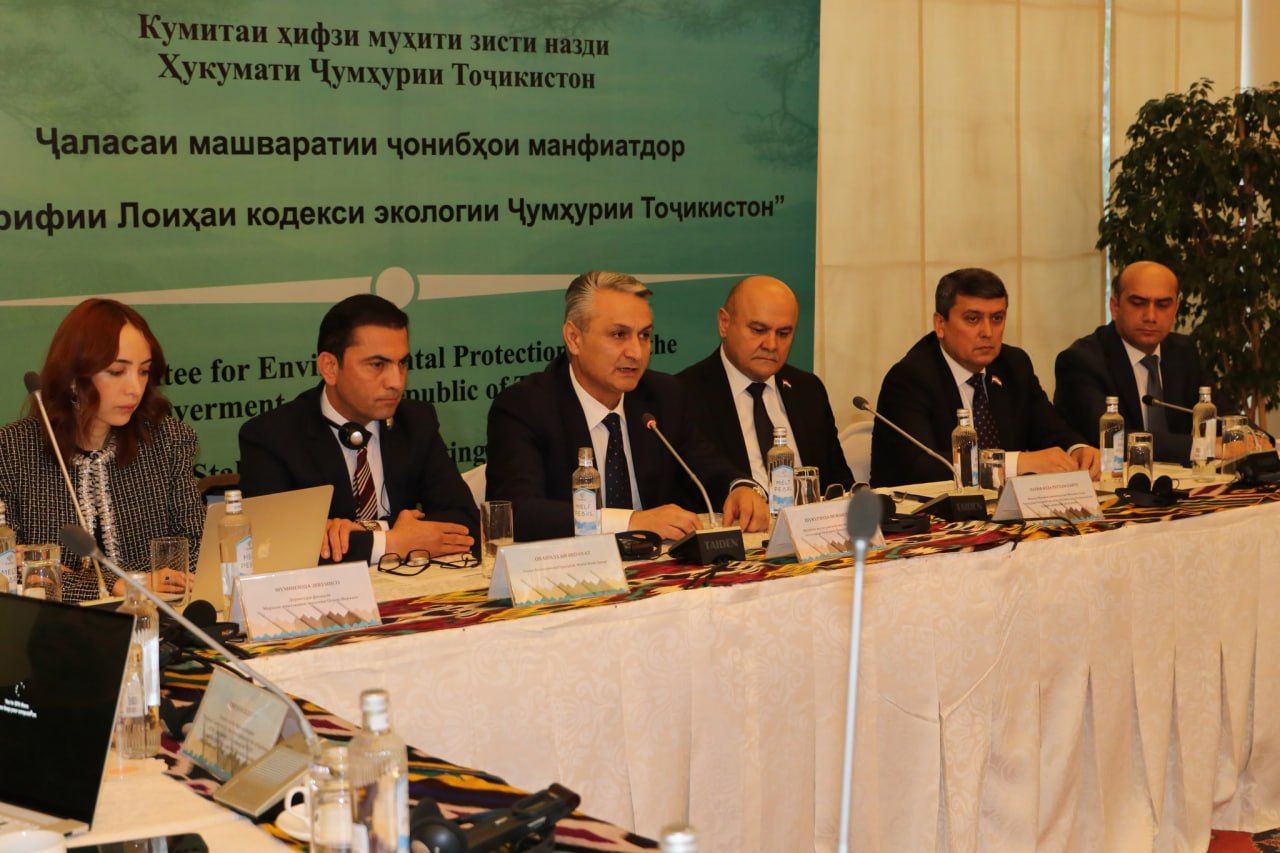
Tajikistan is preparing to adopt an Environmental Code, a significant step in protecting the environment and ensuring the sustainable use of natural resources. On December 18, 2025, a consultative meeting was held in Dushanbe to discuss the draft of the code.
This legislative act will serve as the foundation for a unified environmental policy and the fulfillment of the country's international commitments. Given the challenges posed by climate change and environmental issues, the adoption of the code is especially crucial for sustainable development and the transition to a green economy.
Isfandiyor Shukurzoda, First Deputy Chairman of the Committee for Environmental Protection under the Government of Tajikistan, emphasized that the draft code has been developed based on key strategic documents, including the 2018-2028 Legal Policy Concept, the National Development Strategy until 2030, and the State Environmental Program for 2023-2028. He stressed that the new code should address the challenges of climate change and nature conservation while laying the groundwork for the sustainable use of natural resources.
The meeting also featured speeches from members of the Majlisi Namoyandagon (Tajikistan’s lower chamber of parliament) Rustom Latifzoda, senior World Bank specialist Ubaydulloh Hedoyat, and Zebuniso Muminzoda, Director of the Regional Environmental Center for Central Asia. All participants highlighted that the adoption of the Environmental Code would contribute to the development of a green economy and ensure compliance with international environmental standards.
Legal expert Muhammadjon Sohibzoda presented the legal aspects of the code, while Saydusmon Sudurov, Director of the Standards Center at the Committee for Environmental Protection, discussed its environmental components, including nature protection standards. Umidjon Ulughov, Director of the National Center for Implementing Stockholm Convention Obligations, spoke about the importance of harmonizing national legislation with international environmental agreements.
The Environmental Code is expected to be adopted in the first half of 2026, following approval by the Government of Tajikistan. Once enacted, the code will be a crucial step in establishing an effective legal framework for environmental protection and the sustainable use of natural resources in Tajikistan.