In 2025, a two-way trade between Tajikistan and Kazakhstan dropped by 7.9%, amounting to $1.19 billion, compared to $1.29 billion the previous year. The primary reason for this decline was a sharp fall in Tajikistan's exports, while imports remained consistently high.
Export decline
Tajikistan's exports to Kazakhstan in 2025 plummeted by more than half, dropping from $197.4 million in 2024 to $85 million, a decrease of 56.9%. This is the lowest level in the past five years and the key factor behind the overall reduction in trade turnover.
The most significant drop was seen in the export of ores and concentrates, which traditionally make up the largest share of Tajik exports to Kazakhstan. In 2025, shipments of this group fell by 65%, to $46.1 million. Lead ore and concentrates saw a staggering 92.5% decline, copper ore exports were completely halted, and zinc ore exports decreased by nearly 40%.
This decline in raw material exports was the determining factor for the overall downturn. While ores and concentrates contributed the majority of export revenues in 2024, their role sharply diminished in 2025.
Declines were also recorded in other categories. Vegetable exports to Kazakhstan fell by nearly 58%, totaling about $0.9 million, primarily due to reduced shipments of onions, potatoes, and other fresh produce. Fruit and nut exports decreased by 23%, to $9.6 million, mainly due to a drop in apricot and stone fruit shipments, despite growth in some processed product categories.
A negative trend was also observed in the export of paper and stationery, ready-made textile goods, oilseeds, and seeds. Only specific niche products—such as processed fruit products, silkworm cocoons, and carpet items—showed growth, but their volumes were insufficient to offset the overall decline.
Steady imports
In contrast to exports, imports from Kazakhstan remained steady in 2025. The total volume of imports reached $1.11 billion, a 0.9% increase compared to 2024.
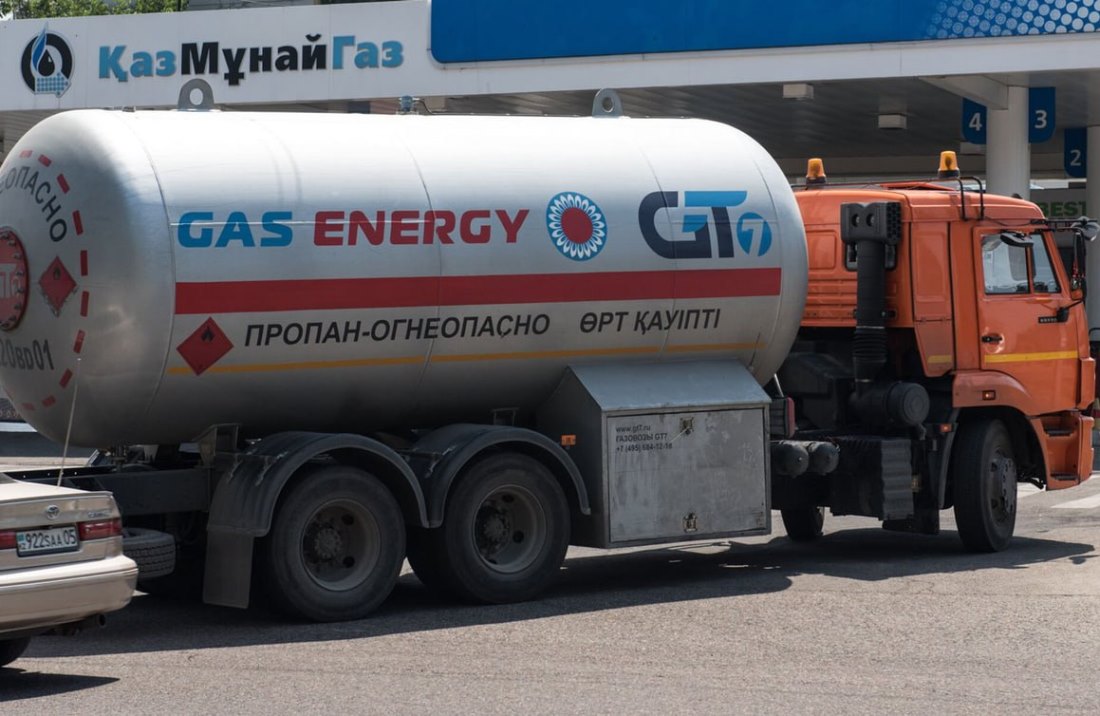
The structure of imports remains diversified, with Tajikistan increasingly reliant on key goods from Kazakhstan. The largest volumes continue to come from energy resources, primarily propane and butane, vegetable oils—mainly sunflower and rapeseed oils—cereals and processed grain products, ferrous metals, construction materials, as well as chemical products and aluminum oxides.
Particularly notable was the 43% increase in the import of fats and oils, which reached $97.3 million in 2025. Kazakhstan’s share in this segment accounted for around 70-80% of Tajikistan’s total vegetable oil imports, reflecting strong domestic demand and limited local production capabilities.
Imports of meat, cereals, ferrous metals, electrical equipment, and vehicles also rose. Meanwhile, there was a decrease in the purchase of mineral fuels, beverages, and fertilizers, signaling structural changes in consumption patterns and investment activity.
Trade deficit
Against the backdrop of a sharp decline in exports and steady imports, Tajikistan's trade deficit with Kazakhstan in 2025 exceeded $1.02 billion, the highest figure in the past five years. In comparison, the deficit was $458 million in 2021 and $898 million in 2024.
Outlook
In Astana, the strategic importance of economic ties with Tajikistan is emphasized. As noted earlier by Kazakhstan's Ambassador to Tajikistan, Valikhan Turekhanov, mutual trade is primarily based on the supply of food, metal products, petroleum products, chemicals, construction materials, and equipment.
Meanwhile, exports of Kazakh wheat and sunflower oil continue to grow, and cooperation between the relevant government bodies of the two countries is expanding. To further boost bilateral relations, the 19th meeting of the Intergovernmental Commission on Economic Cooperation took place in Astana in August 2025. Currently, a roadmap is being prepared to increase trade turnover by 2030, as well as a separate roadmap for agricultural cooperation for 2026–2027.
According to the diplomat, the accreditation of Kazakhstan’s Freedom Finance Bank in Tajikistan’s financial market has provided an additional boost to economic cooperation. The establishment of an IT hub and the introduction of digital financial services at the bank are expanding opportunities for business and investment collaboration.