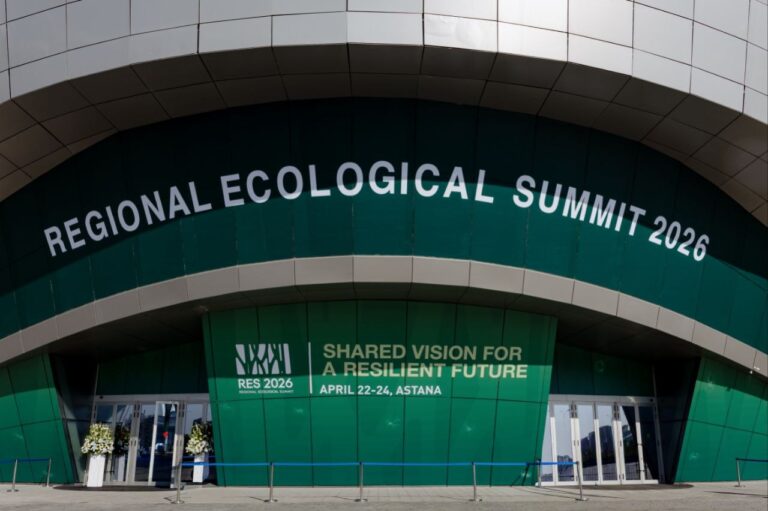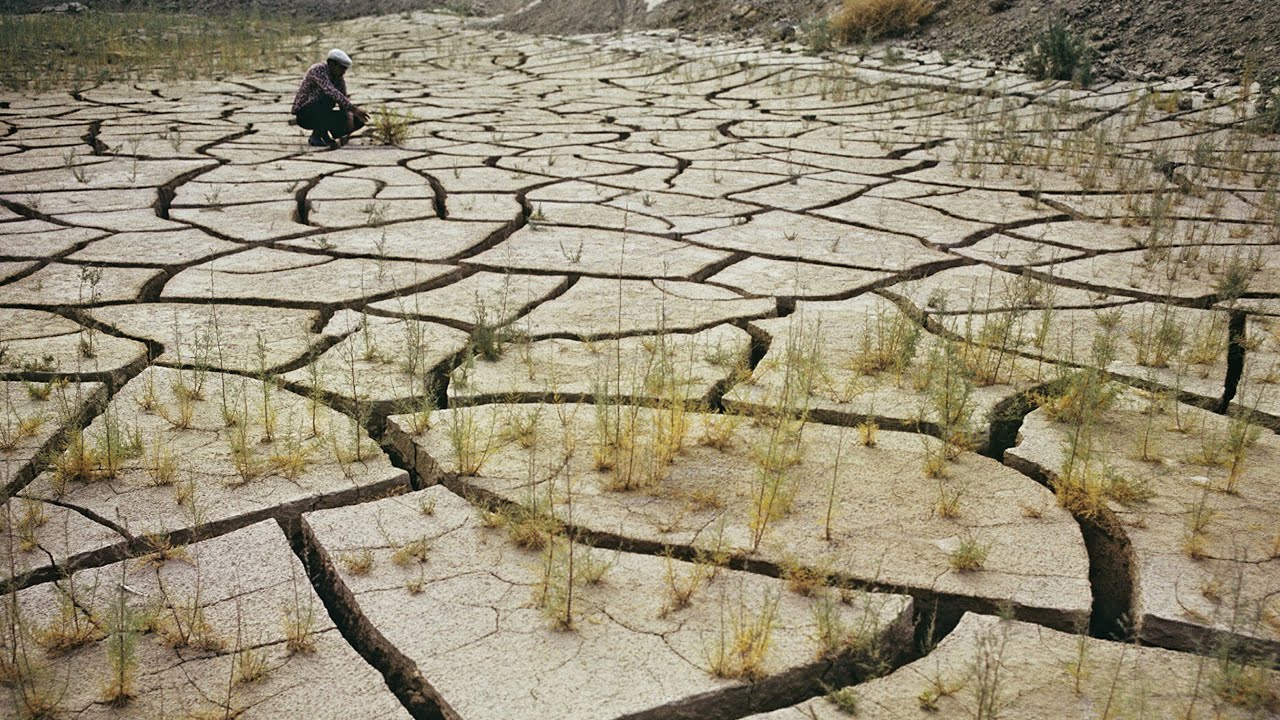
At the Regional Ecological Summit (RES 2026), held in Astana from April 22 to 24, 2026, environmental issues of Central Asia were discussed. Asia-Plus highlighted seven topics that are most significant for the region. The material examines their causes, consequences, and response measures discussed by the summit participants.
1. Water scarcity and irrigation losses
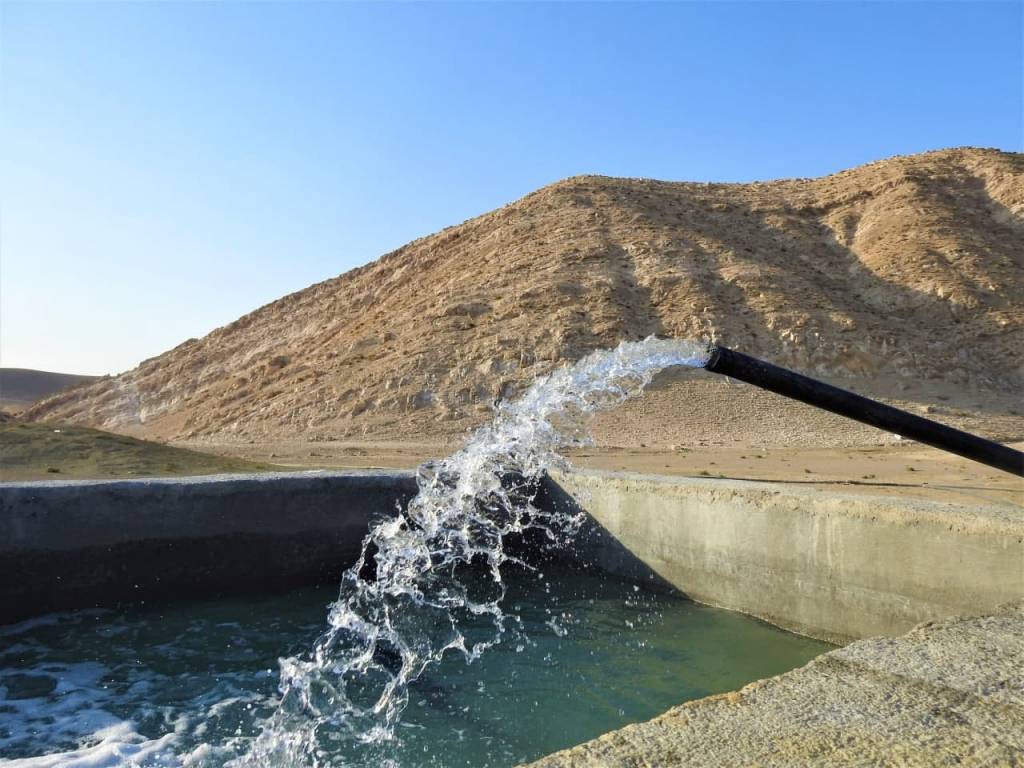
Over 80 percent of all water resources in the region are used in agriculture, and losses in irrigation systems remain significant. Against this backdrop, water scarcity is becoming one of the most sensitive environmental problems in Central Asia.
The President of Tajikistan, Emomali Rahmon, emphasized the need to “strengthen measures for the comprehensive and rational use of water resources and their protection.”
The President of Uzbekistan, Shavkat Mirziyoyev, provided experts’ assessment: “According to experts, by 2040, the water resources deficit in the Aral Sea basin may almost double — to 20 billion cubic meters per year.”
The causes of the deficit are related to increased water consumption, climate change, glacier melting, and irrigation losses. The condition of canals, pumping stations, and irrigation technologies directly affects water security.
Consequences of the deficit include reduced water for irrigation, increased land degradation risks, decreased agricultural resilience, and increased pressure on rivers and reservoirs. Measures mentioned include water conservation, irrigation modernization, protection of water sources, and coordinated resource usage rules.
2. Transboundary rivers and regional coordination
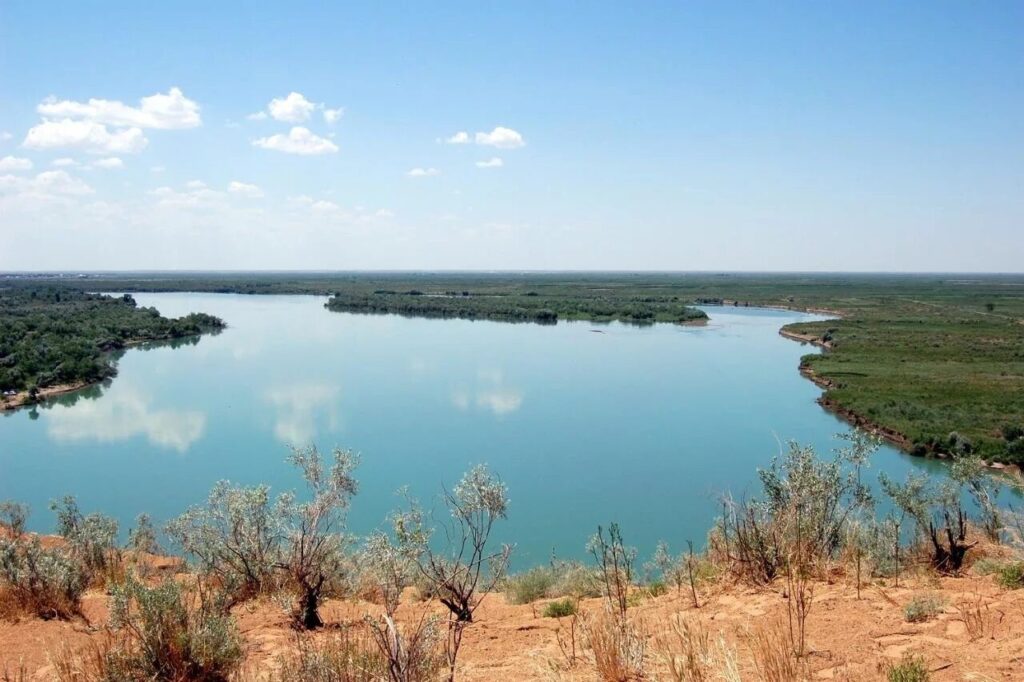
The President of Kyrgyzstan, Sadyr Japarov, highlighted the issue of transboundary water resource distribution and the need for fair compensation mechanisms for upstream countries that maintain water infrastructure and preserve water sources.
This topic remains one of the most complex for the region. Central Asian rivers flow through several countries: water forms in some countries, is used in others, and the consequences of decisions affect the entire region. Upstream countries bear the burden of preserving water sources and infrastructure, while downstream countries depend on a stable water supply for agriculture and population.
The President of Kazakhstan, Kassym-Jomart Tokayev, reminded of the proposal to adopt a Framework Convention on Water Use: “Such a Convention would enshrine agreed principles of multilateral interaction and increase the effectiveness of transboundary water use.”
The absence of unified rules can lead to seasonal disputes, water supply disruptions, increased infrastructure costs, and difficulties in implementing large investment projects. Water is linked to energy, agriculture, and ecology, so decisions in this area affect several sectors at once.
3. Climate stress and glacier melting
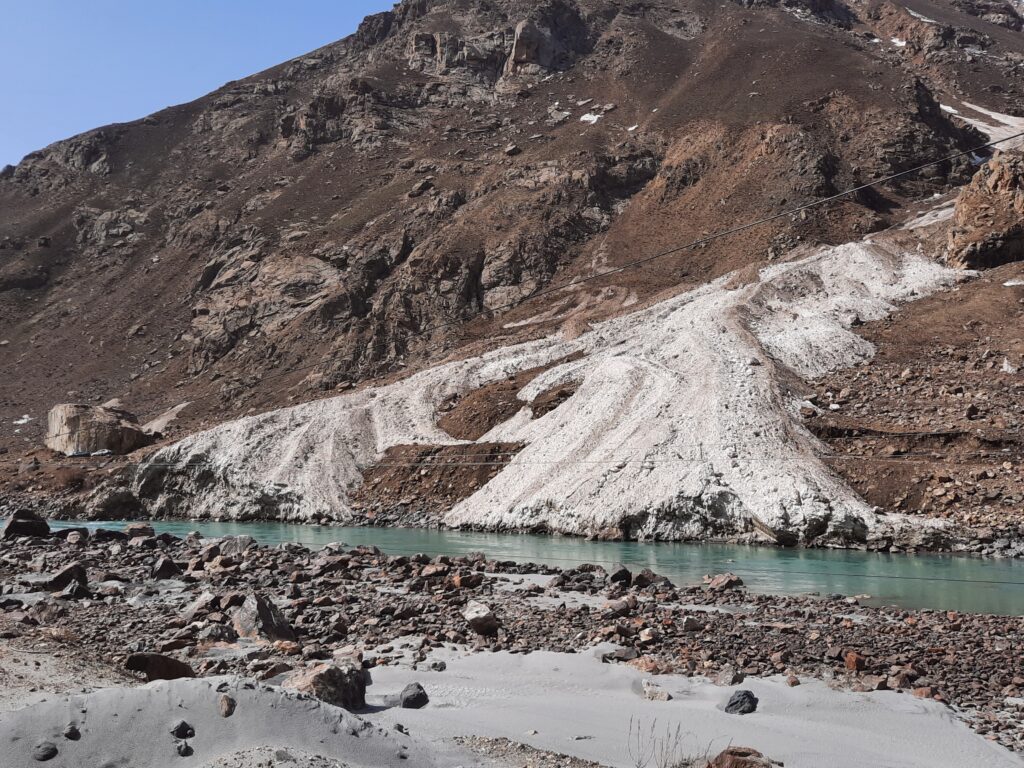
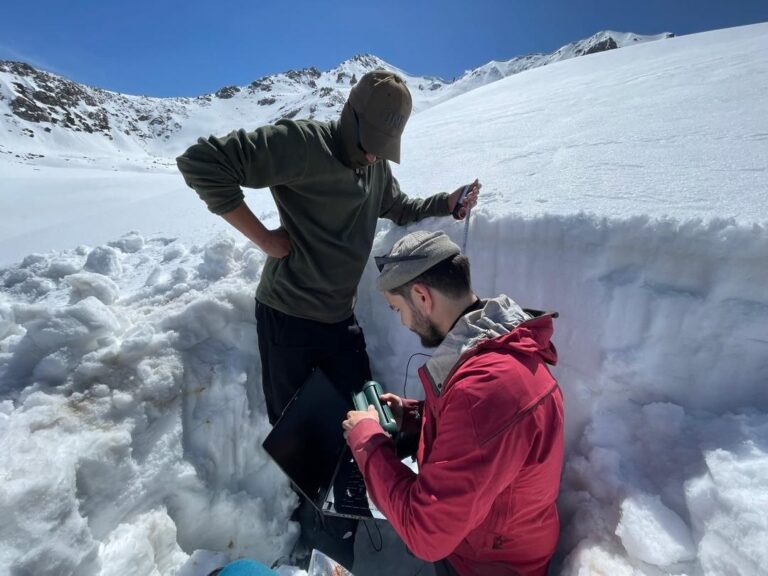
Climate stress affects water, soils, agriculture, human health, and ecosystems. The summit separately discussed the topic of glaciers, which feed river systems and support the region’s water balance.
Tajikistan raised issues of glacier melting, biodiversity conservation, environmental protection, transition to a green economy, and development of ecotourism at RES 2026 EXPO.
The President of Kyrgyzstan, Sadyr Japarov emphasized that glacier protection should be a priority because the region’s water supply depends on their preservation.
The causes of climate stress are related to climate change, increased water consumption, glacier melting, and desertification. Rising temperatures increase evaporation and pressure on water resources, while changing glacier conditions complicate river flow forecasting.
Consequences include changes in water seasonality, increased irrigation pressure, land degradation, intensified dust storms, and vulnerability of mountain ecosystems.
4. Land degradation and desertification
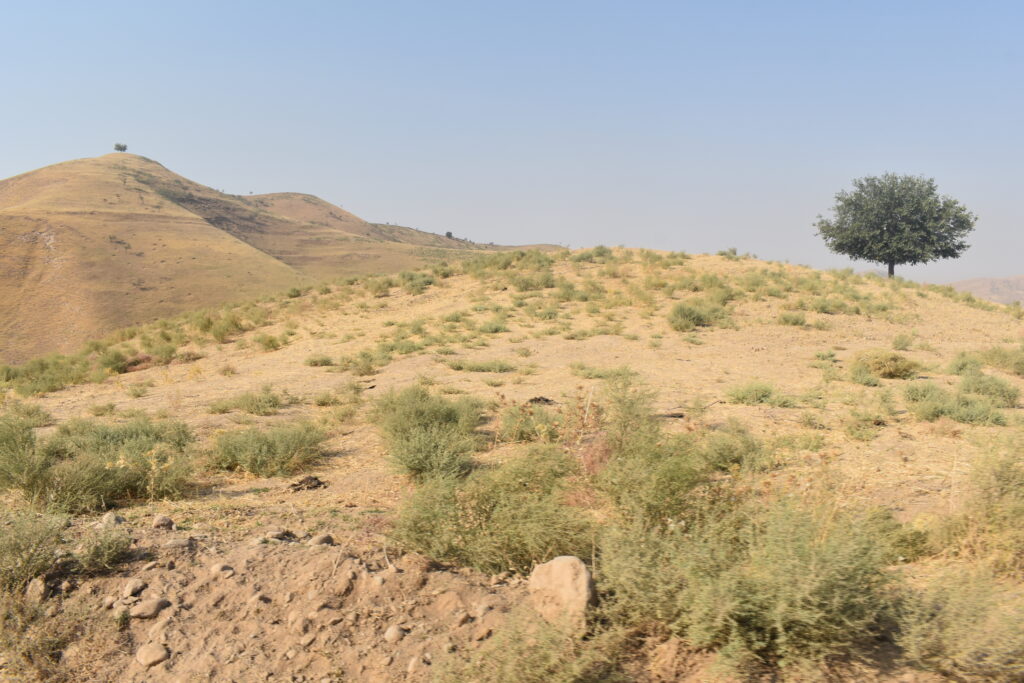
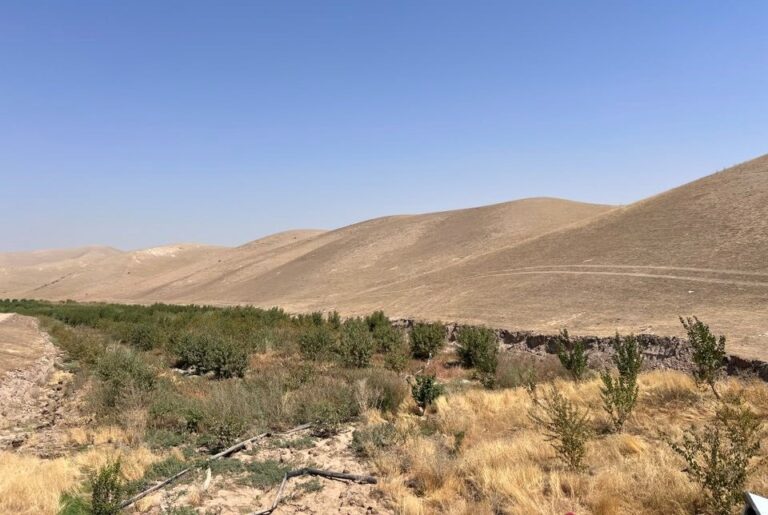
Land degradation and desertification affect agriculture, pastures, settlements, and natural ecosystems. For Central Asia, the condition of the land is linked to food security, employment, and resilience of rural areas.
The causes of degradation include water scarcity, inefficient irrigation, climate stress, and desertification. Water scarcity reduces agricultural resilience, while irrational water use increases losses and pressure on soils.
Consequences include reduced agricultural resilience, pasture degradation, increased dust storm risks, and loss of ecosystems’ recovery capacity. Rural areas, where people’s incomes depend on land and water, are particularly vulnerable.
As a result of RES-2026, a resolution was adopted “Green Shield of Central Asia” — a regional system of protective forest strips and green barriers against land degradation and dust storms. Directions of work include soil restoration, green barriers, sustainable agriculture, irrigation modernization, and regional coordination.
5. Air pollution
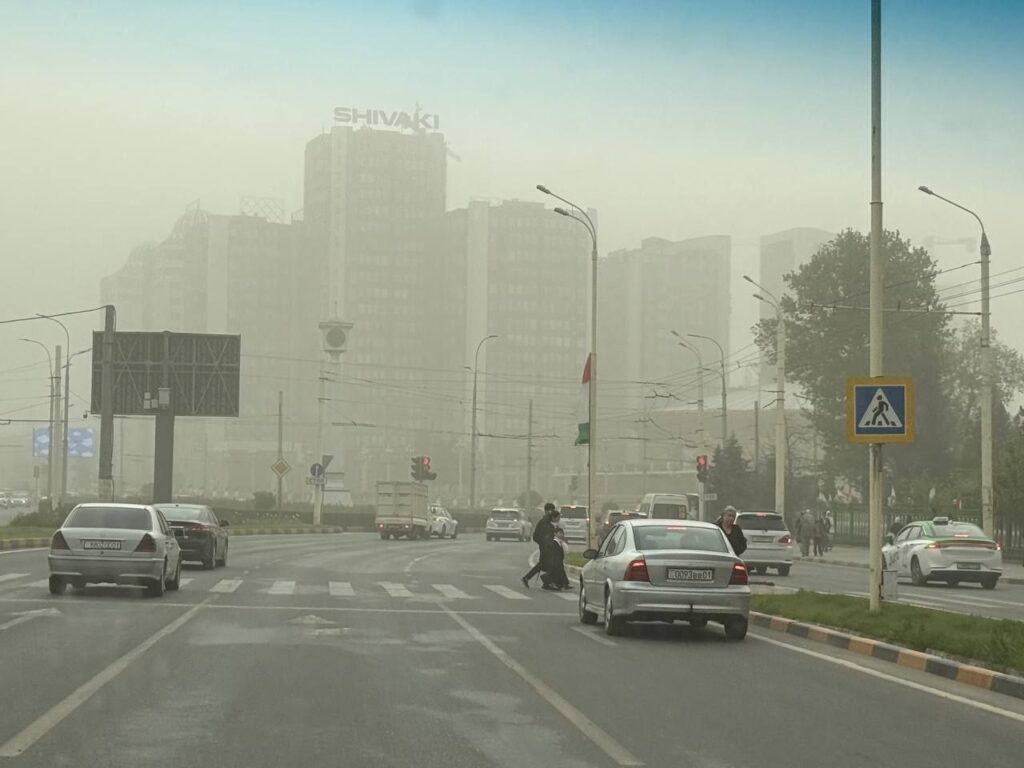
The final materials of RES-2026 state that Central Asian countries confirmed their intention to develop joint regional positions on improving air quality.
Air pollution affects human health, urban quality of life, industrial development, transport, and the environment. At the summit, this topic was considered within the framework of regional environmental security.
The causes of pollution are linked to dust storms, land degradation, industry, energy, transport, waste, and the transition to green technologies. RES 2026 EXPO presented solutions for waste recycling, circular economy, environmentally friendly transport, and digital technologies.
Consequences of air pollution include deteriorating living conditions, increased environmental health risks, additional healthcare costs, and pressure on urban infrastructure. The summit separately discussed chemicals and hazardous waste, as well as the proposal to create a Regional Center on the Stockholm Convention in Kazakhstan.
Measures mentioned include monitoring, clean transport, waste management, combating dust storms, land restoration, and regional cooperation.
6. Loss of biodiversity
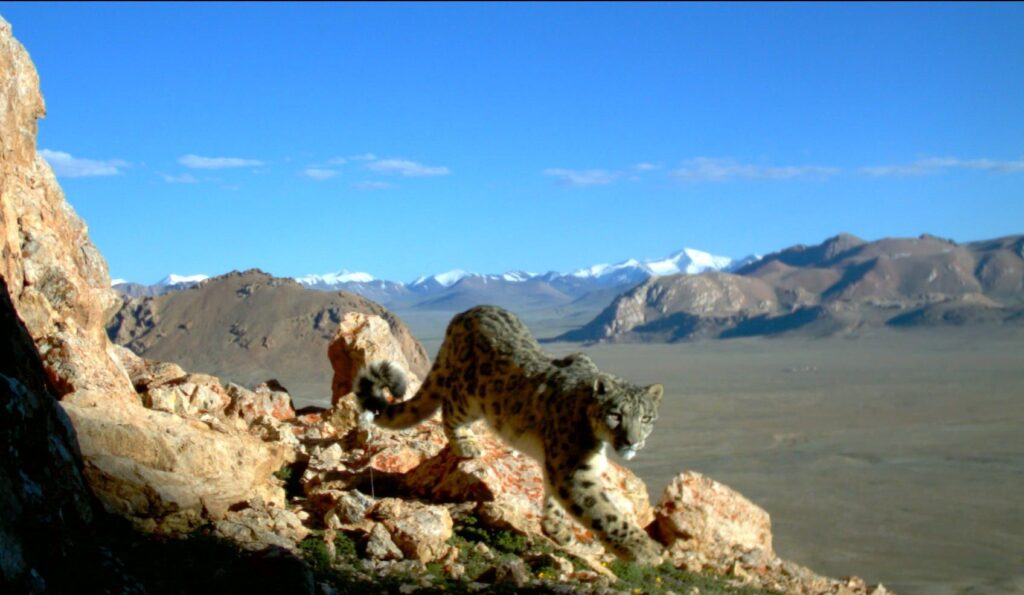
At the summit, Central Asian countries signed a Regional Declaration for biodiversity conservation. It includes joint protection of ecosystems, rare species, restoration of natural areas, and development of ecological corridors.
The President of Uzbekistan, Shavkat Mirziyoyev, noted that the fourth Aral Sea Basin Program envisages the implementation of 34 regional projects aimed at ecosystem and biodiversity conservation.
Tajikistan presented programs for the conservation of the snow leopard, restoration of the markhor and Marco Polo sheep populations at RES 2026 EXPO.
The causes of biodiversity loss include land degradation, desertification, climate change, water scarcity, and pressure on natural areas.
Consequences include reduced ecosystem resilience to droughts and dust storms, decreased recovery capacity, and loss of natural and tourism potential.
7. Food security
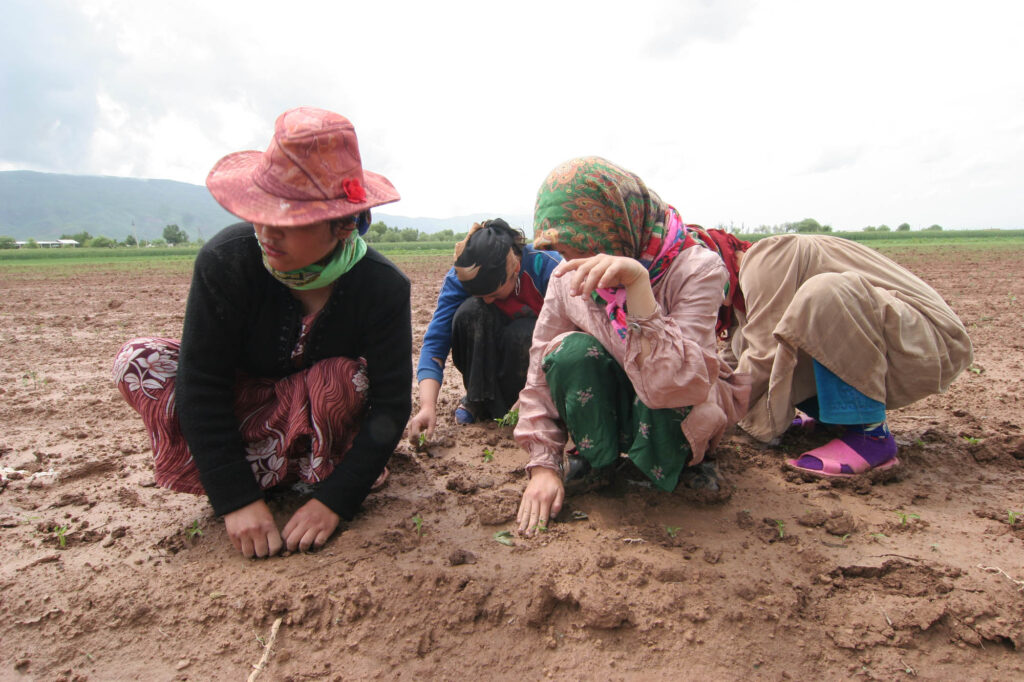
At RES-2026, the parties agreed to prepare a roadmap to increase agricultural resilience. Food security depends on water, soils, climate, irrigation, and biodiversity. Therefore, this topic is related not only to agriculture but also to natural resource management.
The President of Tajikistan, Emomali Rahmon, spoke about the need for comprehensive and rational use of water resources and their protection.
Shavkat Mirziyoyev noted: “Agriculture is vulnerable to climate change. Land degradation and water scarcity create risks for food production.”
The causes of food risks include water scarcity, land degradation, desertification, climate changes, and irrigation losses. Consequences include reduced agricultural sector resilience, risks to rural incomes, price pressure, and increased burden on government support programs.