
DUSHANBE, February 12, 2011, Asia-Plus — On February 11, the UN Security Council discussed poverty and under-development as root of instability and conflict. The Security Council, which normally deals with country-specific issues of war and peace such as the Middle East or Sudan, last Friday held high-level debate on the root causes that fuel conflict in the world, like poverty and under-development.
UN Radio reports UN Security Council focused on what it calls the crucial links between peace, security and development.
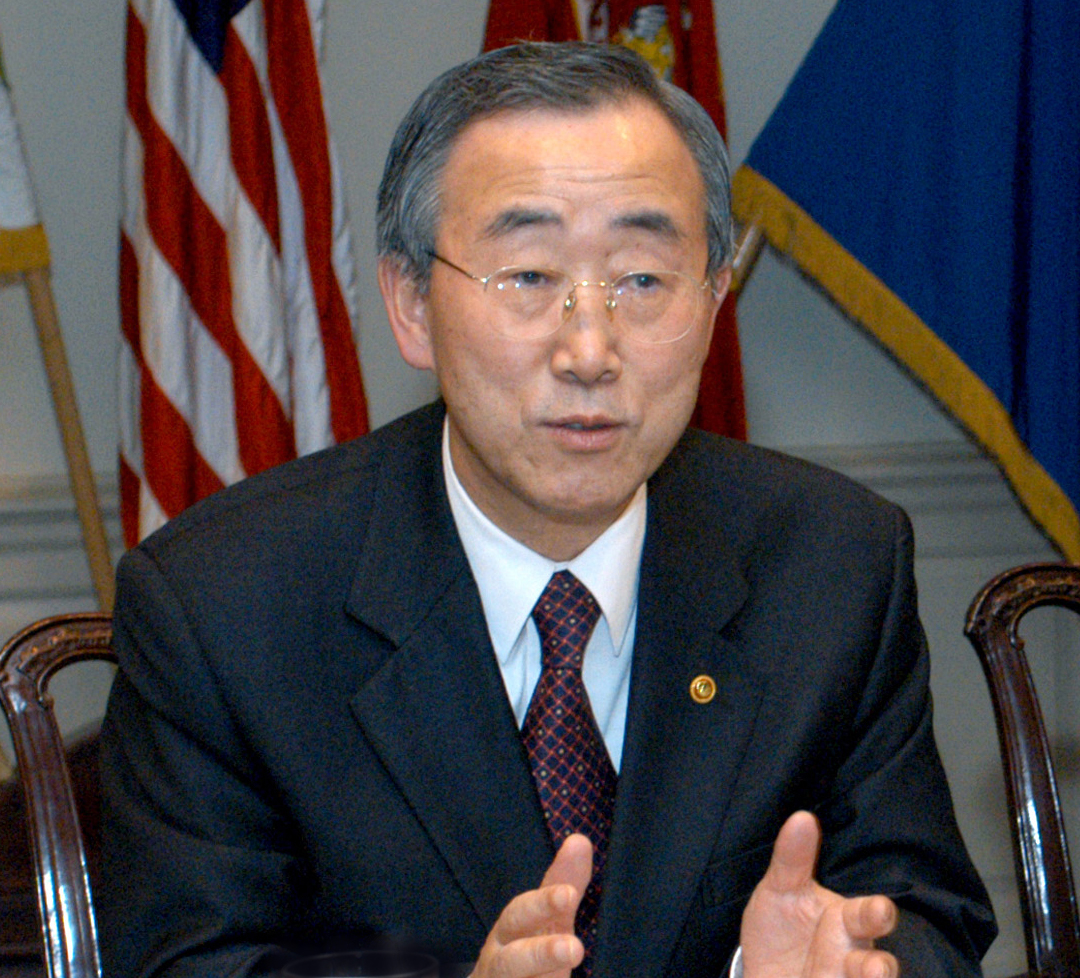
Speaking at the meeting, the UN Secretary-General Ban Ki-moon noted that poverty and a lack of freedom and opportunities were driving instability and conflict in the world”s poorest countries. According to him, nine of the 10 least developed countries have experienced conflict in the last 20 years demonstrating the strong linkages between peace, security and development.
The UN Secretary-General said the next generation of security challenges would require added emphasis on conflict prevention, disaster risk reduction strategies, stronger civilian components in peace operations and strengthening the rule of law.
“Recent events around the world are a sharp reminder of the need for political stability to be anchored in peace, opportunity, decent standards of living and the consent of the governed,” he noted.
“Poorly distributed wealth and a lack of sufficient jobs, opportunities and freedoms – particularly for a large youth population can also increase the risk of instability. Drug trafficking and international organized crime have found fertile ground in places that lack basic services and economic opportunities, leading to fear in the streets and insecurity across entire regions,” Ban said.
