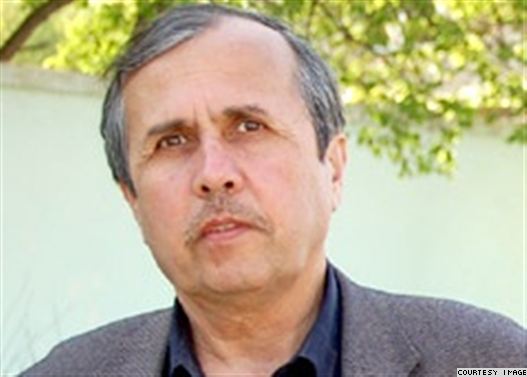
DUSHANBE, August 20, 2011, Asia-Plus — The Committee to Protect Journalists (CPJ) calls on Tajik prosecutors to drop the fabricated extremism charges against Urunboy Usmonov, the BBC World Service correspondent in Tajikistan, and acquit him, a statement released by CPJ on August 17 said.
Usmonov’s trial began in the Tajik northern city of Khujand on August 16. The journalist was charged with complicity in activities of the banned extremist Islamist group Hizb-ut-Tahrir. He faces up to five years in jail if convicted, his lawyer, Fayziniso Vohidova, told CPJ.
“The charges against Urunboy Usmonov are absurd,” said CPJ Deputy Director Robert Mahoney. “Journalism requires reporters to have contact with all groups, including those opposed to governments.”
Usmonov was arrested on June 13 on charges of belonging to Hizb-ut-Tahrir and of making public calls to change Tajikistan’s constitutional system. Unable to prove the charges during the probe, investigators changed the journalist’s indictment to “failing to report the activities of Hizb-ut-Tahrir to Tajik law enforcement agencies.” Following international protests, including by CPJ, authorities released Usmonov on bail in July. His indictment was changed yet again when he appeared in court on August 16, regional press reported.
Usmonov’s lawyer, Vohidova, told CPJ that prosecutors are claiming as evidence the articles on Hizb-ut-Tahrir that Usmonov had downloaded from the Internet and stored in his personal computer, as well as the fact that he had met with the group’s members. “Prosecutors see his complicity with the group in his reporting on the trials of its members, and allege that he used the BBC as a platform for Hizb-ut-Tahrir propaganda. But that’s nonsense—he has been covering the group for 11 years, and as a journalist, he had to collect information and meet with the sources,” Vohidova told CPJ.
Usmonov denied the charges against him, and said he maintained contacts with the group as a journalist. The statement says that in July, the BBC said: “The BBC has commissioned Mr. Usmonov to report on Hizb-ut-Tahrir’s activities in Tajikistan, and would expect him to investigate the opinions held and materials produced by members of the organization.”
According to Vohidova, Usmonov is standing trial with four other men accused of membership in Hizb-ut-Tahrir. On Monday, one of the men told the court that he had met with Usmonov as a journalist, not a Hizb-ut-Tahrir member, Vohidova told CPJ.