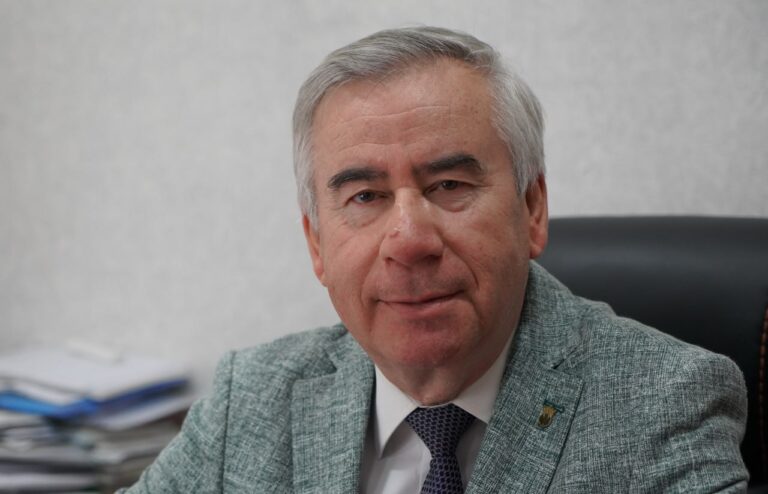
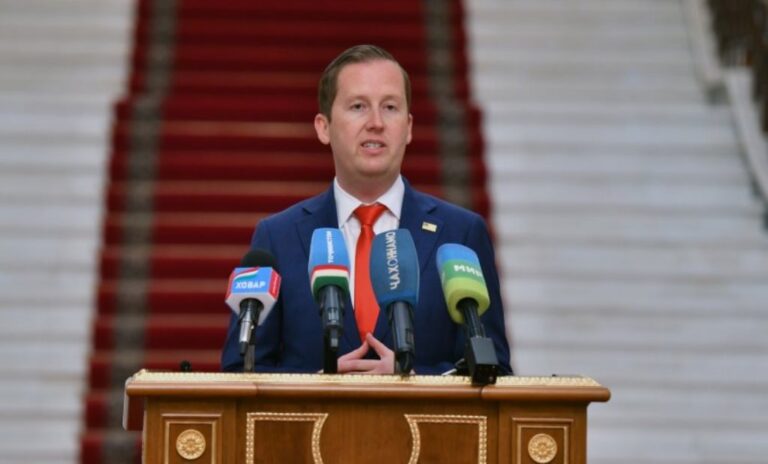
DUSHANBE, November 18, Asia-Plus — Government’s decision to write off debts of cotton-growing farms is correct, Dr. Romualdas Zemeckis (phonetically spelled), Senior International Policy Adviser, Project Management Unit for Resolution of Cotton Producing Farm Debt and Cotton Sector Sustainable Development, said in an interview with Asia-Plus.
The important thing is that the government understood that it is necessary to establish market relations in agrarian sector and create new conditions for functioning of farming units.
According to him, excessive debt is the most visible aspect of low productivity of the country’s agrarian policy that leads to inefficient use of funds. The government realized ineffectiveness of the practice of determining what crops farmers must grow. It is necessary to play by new rules. Besides, the government ought to develop new mechanisms of financing the agrarian sectors, the international expert said.
In the meantime, some farm heads say debts that arose before 2008 were “exaggerated” and even the commission that was set up for finding out reasons for the debts failed to investigate the issue completely. Sherali Subhonov, the head of one of farming units in Khatlon’s Bokhtar district, considers that the debts arose though fault of unfair investors. “There were futures companies that were supplying overpriced seeds, agricultural machines, mineral fertilizers and fuels to farmers,” said Subhonov, “As a result of this, cotton production cost became so high that even sale of the whole harvest did not covered it, and therefore, debts and interest payments on them were increasing from year to year.”
Head of one of farms in the Khatlon province who wanted to remain unnamed told Asia-Plus yesterday that the main reason for the excessive cotton debts is the fact that cotton producers are not owners of their product.