DUSHANBE, April 24, 2010, Asia-Plus — Damage caused by the global financial and economic crisis to Tajikistan’s economy has amounted to more than one billion somoni (TJS).
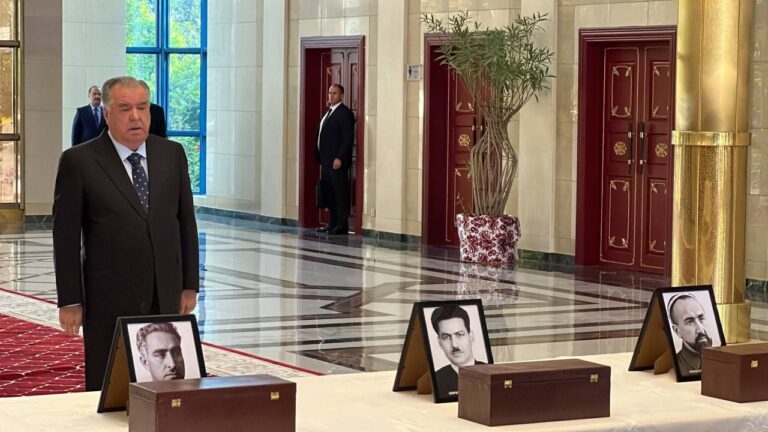
President Rahmon remarked this during an annual address to parliament.
A joint session of the Majlisi Milli (Tajikistan’s upper chamber of parliament) and the Majlisi Namoyandagon (Tajikistan’s lower chamber of parliament) took place on April 24,
Speaking at the session, Rahmon noted that the country’s real gross domestic product (GDP) rose 3.5 percent in the year to December 31, 2009 and inflation for 2009 stood at 5 percent.
Last year”s gross agricultural product from all categories of farms increased by 10 percent compared to 2008. Last year, Tajikistan introduced into operation key assets 2.5 times more than in 2008.
Last year’s housing development increased by 23 percent compared to 2008 and construction of education facilities last year increased by 17 percent. In 2009, population’s cash income increased by 15 percent.
The president stressed that the minimum monthly wages in public sector increased last year on average by 20 percent despite negative effects of the global financial and economic crisis.
President Rahmon noted that this year was the year of mitigating and removing crisis effects on the country’s economy.
“The results of the first quarter of this year are evidence of improvement of the economic situation in the country,” stressed the head of state, “GDP rose 6.8 percent over the report period, which is 3.2 percent more than in January-March 2009. In January-March 2010, the volume of production of industrial goods has increased by 16.3 percent and the gross agricultural product has increased by 5.7 percent. Retail trade has grown by 21 percent and the volume of paid services rendered to the population has grown by 12 percent. Inflation in the consumer sector for January-March this year stood at 1.6 percent.”
He also noted that the revenue part of the national budget for 2010 stood at 6.6 billion somoni, which was 1 billion somoni, or 18 percent, more than in 2009.
“This year, we have divided the draft national budget into the social budget and the development budget for the first time,” said Rahmon, “The development budget amounts to 2.9 billion somoni, which is 43.2 percent of the overall volume of the budget for this year.”
The president noted that 55 investment projects for a total amount of more than 8 billion somoni were currently being implemented in various sectors of the country’s economy and implementation of 14 state investment projects for a total amount of 1.3 billion somoni, including grants of 760 million somoni, would start in the near future.
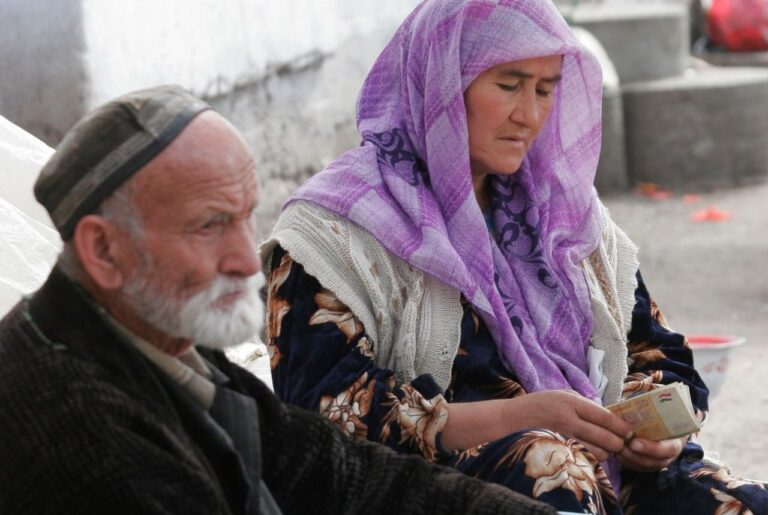
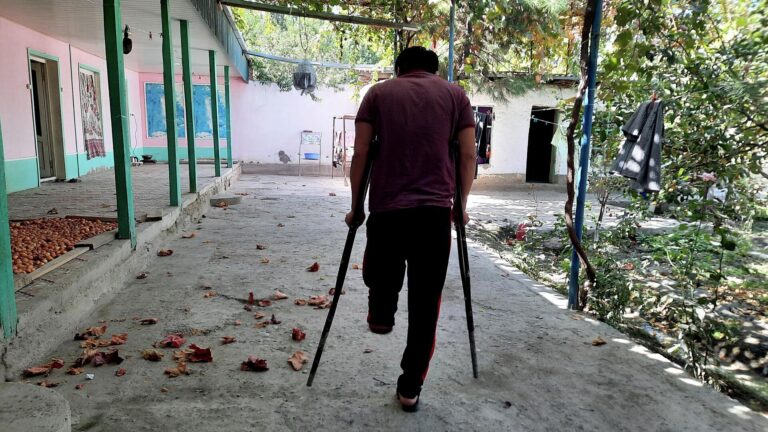
The head of state also noted that one of priority areas of the government’s activity was to improve living standards of people, especially the vulnerable sections of the population. “In this connection, it is necessary to the poverty reduction strategy for 2010-2012 that will provides for solving a number of important issues,” said Rahmon, “The findings of surveys conducted by the government jointly with independent organizations show that implementation of the national strategy and programs for socioeconomic development of the country allowed decreasing the poverty level in the country from 73 percent in 2003 to 53 percent in 2007 and 50 percent in 2009. This helped lift more than 1 million people out of the poverty line.”
He added that the poverty reduction strategy for 2010-2012 provided for an efficient implementation of measures to ensure sustainable social and economic development of the country that would allow decreasing the poverty level to 40 percent by the end of 2012.