DUSHANBE, March 14, 2012, Asia-Plus — The Asian Development Bank says climate change is likely to become a key cause of migration in Asia in the coming decades.
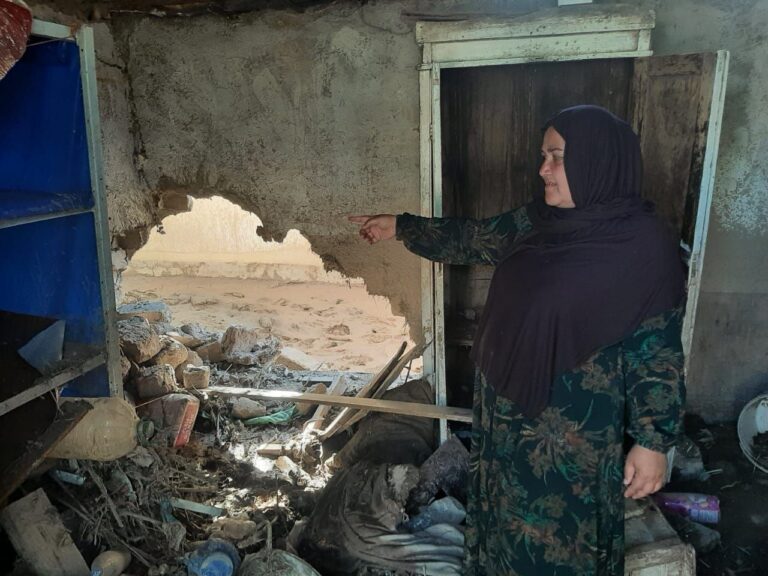
In a new report, the bank says more than 42 million people in the region were displaced by environmental disasters over the past two years alone, Radio Liberty reports.
According to the report, more than 30 million people were displaced in 2010, some permanently, primarily by devastating floods in Pakistan and China.
RFE/RL says the report predicts that widespread land degradation, water shortages, and desertification are expected to affect many parts of Central Asia.
The region has already experienced some of the world”s most dramatic environmental crises of recent years, with water problems predominant among them.
The shrinking of the Aral Sea and the decline of two major rivers feeding the sea — the Amu Darya and Syr Darya — has led to significant environmental changes in the region.
At the beginning of the millennium, a drought associated with environmental degradation prompted some 250,000 people, or 20 percent of the total population, of Karakalpakstan — an Uzbek autonomous republic surrounding the southern end of the Aral Sea — to migrate to Kazakhstan and Russia in search of better economic opportunities.
The report says poverty and problems of governance further add to the vulnerability of local populations to environmental disasters — such as drought, a loss of agricultural productivity, and resulting food insecurity.
The report said a large part of Central Asia”s population lives in areas at high risks of increased water shortages caused by climate change.
The report stresses that the impact of climate change in Central Asia is worsened by a high degree of social and economic vulnerability. Poverty is widespread, average incomes are low, and governance is often weak. Many people rely on agriculture for livelihood.
In Tajikistan, about 95 percent of the country is vulnerable to floods, mudslides, water and soil erosion, and desertification, the report says.
It predicts that constantly rising temperatures in Tajikistan may further shift the existing pattern of glacier volume — potentially leading to a widespread decline in water availability by more than 30 percent.
The report predicts that water shortages will stimulate outward migration from the affected areas.
Hundreds of thousands of people from Central Asia leave the region every year to seek work in Russia and other countries. The report says migration plays an important role in the development of the region, notably through remittances.
The report urges governments to mitigate the impact of climate change on migration flows by embracing adaptive measures and new development strategies and emphasizes the need to protect migrants” rights during environmental upheavals.
Tajikistan and Kyrgyzstan have both adopted the 1990 International Convention on the Protection of the Rights of All Migrant Workers and Members of Their Families. Kazakhstan is considering ratification.