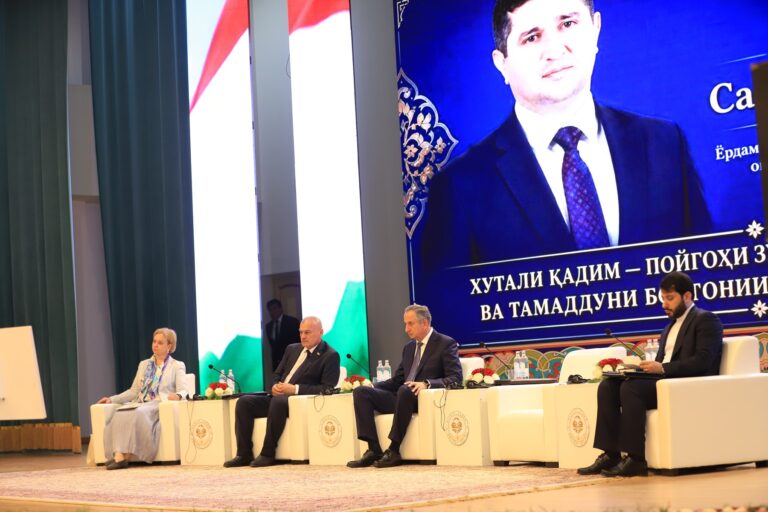
DUSHANBE, August 6, 2015, Asia-Plus — The USAID TB Control Program (Program) today launched a three-day training on tuberculosis (TB) for journalists from television, radio and print media from regions in Tajikistan.
The training is reportedly organized and conducted in close collaboration with the National TB Program and Independent School of Journalism “Tajikistan – XXI Century.”
A total of 15 journalists from Dushanbe, Sughd and Khatlon provinces have an opportunity to improve their overall TB knowledge, learn about the epidemiology of TB in Tajikistan as well as differences in their own regions. The training agenda focuses on the reduction of TB-related stigma and the promotion of evidence-based messages on TB diagnostics and treatment. For example, “TB is curable.”
Journalists will be sensitized about modern approaches to TB diagnostics, treatment and care, journalistic ethics and social responsibility when highlighting public health issues in the media. These training efforts seek to improve TB coverage issues in the media and to emphasize the use of scientific facts and anti-stigma approaches to combat TB myths. The training activities by governmental TB facilities, civil society organizations and the USAID TB Control Program foster a more tolerant attitude toward people vulnerable to TB, and improve TB treatment outcomes in Tajikistan.
The USAID TB Control Program aims to reduce the burden of TB and the development of multi-drug resistant TB in Tajikistan. The program focuses on enhancing national policy development; improving access to diagnosis and treatment for vulnerable groups; supporting a patient-centered system of care; and strengthening laboratories and other parts of the health system in Sughd, Khatlon, and the Rasht Valley. The program, with an anticipated budget of $13.2 million over five years, is another example of U.S. Government assistance to improve the health of Tajik citizens. USAID grant assistance to Tajikistan now averages $30 million each year of which approximately 30% is directed to healthcare.