Tajikistan has reportedly become interested in an experience of Russia’s Republic of Bashkiria in introduction of smart grid.
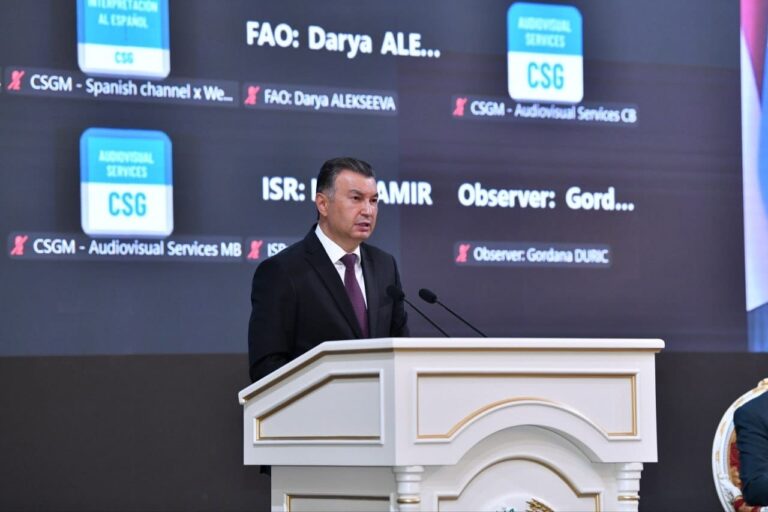
Tajik Minister of Energy and Water Resources, Usmonali Usmonzoda, last week visited the power grid management center in Ufa, the capital of Russia’s Republic of Bashkiria and he considers that such technologies could help promote energy efficiency and reduce electricity losses in Tajikistan.
According to Usmonzoda, experience of the Bashkiria power grid company would be of great interest to Tajikistan’s power complex.
According to official figures, annual energy losses in the Tajik power transmission and distribution networks reportedly make 15-17 percent – up to 3 billion kWh of electricity. Meanwhile, some experts say that the real amount of the electricity losses in Tajikistan is much higher than the official data shows.
Barqi Tojik (Tajikistan’s national integrated power company) says that over the first six months of this year, electricity losses in Tajikistan have made 15.7 percent (1.352 billion kWh), which was 0.6 percent less than in the same period last year.
The Bashkiria Power Grid Company (BPGC) launched one of the first projects in Russia building smart grids in Ufa last year. The experiment to build smart grids in Ufa was launched in January 2015 and slated to run for five years. The essence of their technology is to ensure remote monitoring and control of distribution grid operations.
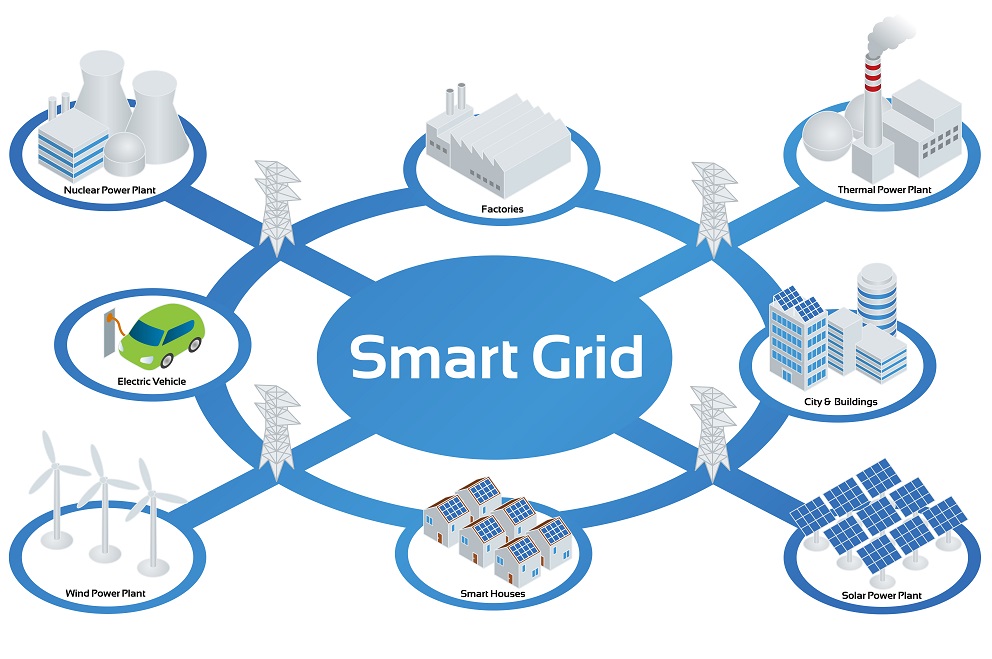
A smart grid is an electrical grid, which includes a variety of operational and energy measures including smart meters, smart appliances, renewable energy resources, and energy efficiency resources. Electronic power conditioning and control of the production and distribution of electricity are important aspects of the smart grid.
The smart grid will make use of technologies, such as state estimation, that improve fault detection and allow self-healing of the network without the intervention of technicians. This will ensure more reliable supply of electricity, and reduced vulnerability to natural disasters or attack.
The improved flexibility of the smart grid permits greater penetration of highly variable renewable energy sources such as solar power and wind power, even without the addition of energy storage. Current network infrastructure is not built to allow for many distributed feed-in points, and typically even if some feed-in is allowed at the local (distribution) level, the transmission-level infrastructure cannot accommodate it. Rapid fluctuations in distributed generation, such as due to cloudy or gusty weather, present significant challenges to power engineers who need to ensure stable power levels through varying the output of the more controllable generators such as gas turbines and hydroelectric generators. Smart grid technology is a necessary condition for very large amounts of renewable electricity on the grid for this reason.