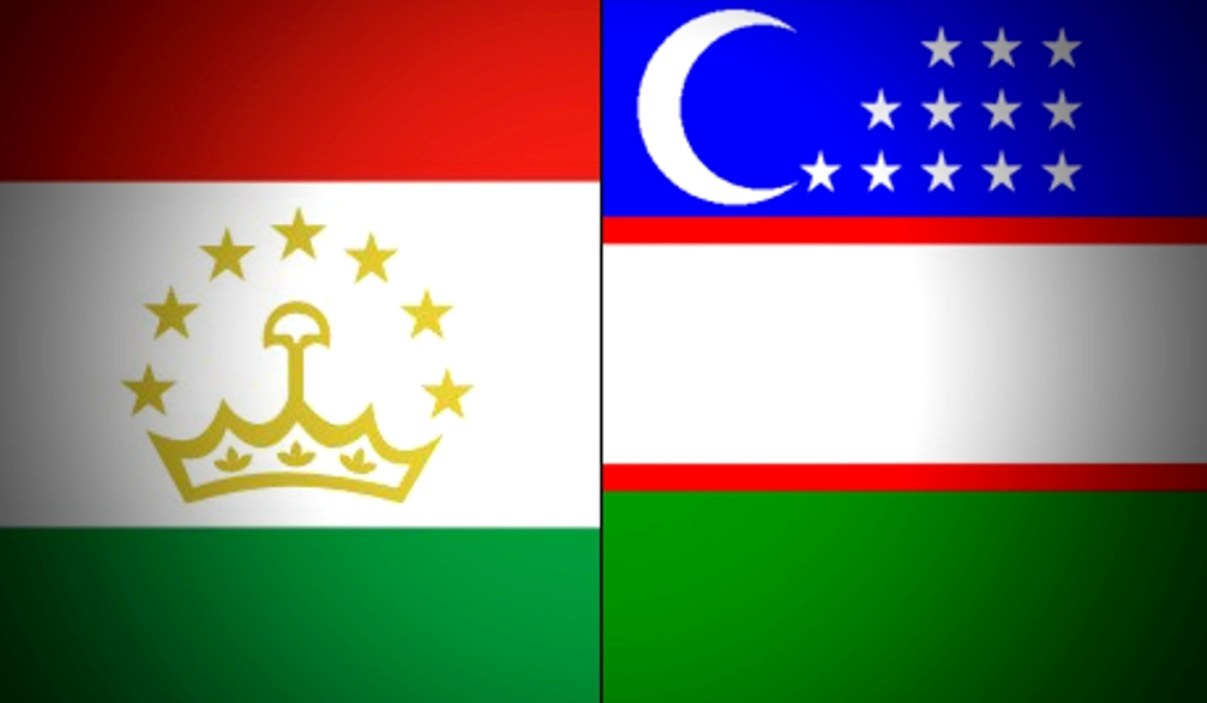
Dushanbe and Tashkent are expected to resume border talks today. The next meeting of the joint Tajik-Uzbek border delimitation commission is being held here from May 30-31, a source in the Tajik government told Asia-Plus in an interview.
According to him, the sides plan to complete the border delineation process during this meeting.
The Tajik-Uzbek border is 1,332 kilometers, some 60 kilometers of which remain disputed; landmines are planted by Uzbek authorities in certain sections of the border.
There are 16 border crossing points (BCPs) on Tajikistan’s common border with Uzbekistan; nine of them have an international status. Twelve BCPs on the Tajik-Uzbek border are located in the northern Sughd province and the remaining four BCPs are located in the southern Khatlon province and Tursunzoda district (central Tajikistan). Only two BPCs having international status function – “Dousti” in the Tursunzoda and “Fotehobod” in the Mastchoh district (Sughd province). Uzbekistan reportedly sealed the rest of the border crossing points unilaterally.
Tajikistan and Uzbekistan introduced a visa regime in 2001, while commercial flights were suspended in 1992. Flights between Dushanbe and Tashkent were resumed this year.
In 2000, Uzbekistan unilaterally planted anti-personnel mines along its border with northern Tajikistan (Sughd province). This action was aimed at hindering cross-border infiltrations of terrorists of the Islamic Movement of Uzbekistan (IMU), but the mines have caused many civilian casualties.
The Tajik-Uzbek border delimitation talks were stalled in February 2009 after Tajikistan rejected Uzbekistan’s proposal to give up some disputed lands to the Tajik side on condition that Tashkent will gain full control of “Farhod” water reservoir along the two countries border.
The first after a break of three yeas border talks between Tajikistan and Uzbekistan took place in Dushanbe on February 21-22, 2012.
On April 24, 2015, top border officials of Tajikistan and Uzbekistan met in the Tajik northern city of Khujand. The two sides reportedly discussed issues around protecting common borders in 2014 and ways of improving the processes of doing so in future. Those included prophylactic and explanatory activities among the population living in border zones; preventing illegal border crossing; upholding signed bilateral protocols on state border protection; and rapidly responding to conflicts, which must be resolved at the level of leaders in border zones via negotiations.
At the end of the meeting, the heads of the two delegations signed an agreement on efficient bilateral cooperation between the respective border services in 2015.
On November 14, 2016, working groups of the government delegations of Tajikistan and Uzbekistan gathered in the Uzbek capital, Tashkent to discuss issues related to delimitation and demarcation of disputable stretches of the mutual border. Practical issues of legal registration of the Uzbek-Tajik border were reportedly the focus of the meeting. The sides also exchanged views on separate disputable stretches of the border.