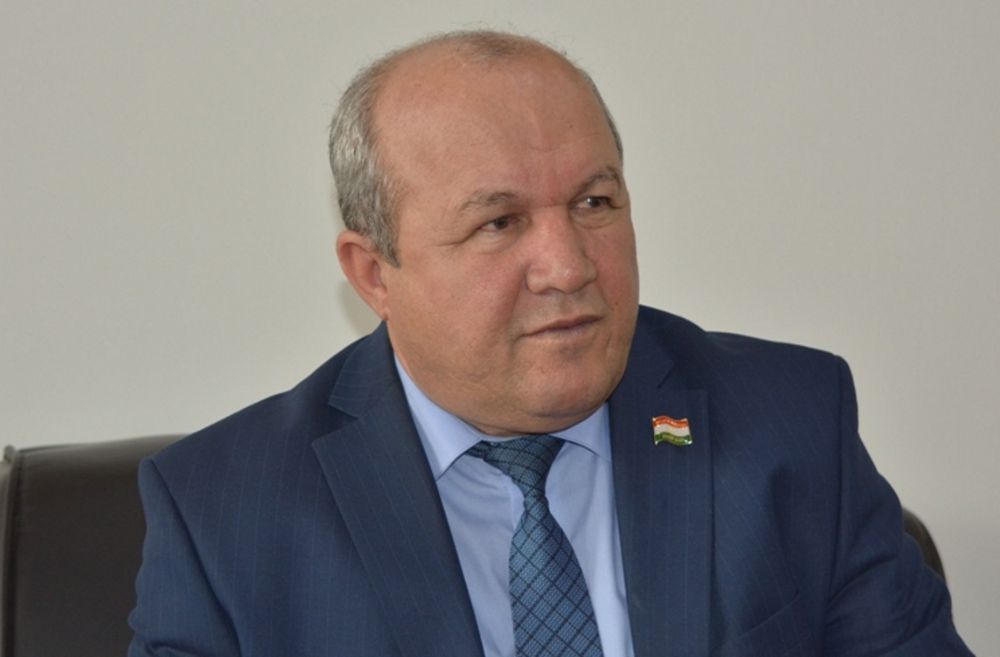
The Supreme Court is considering an appeal filed by the former director of Tajikistan’s National Library Saifiddin Nazarzoda, who was punished for violating the law on observing national traditions and rituals
Nazarzoda has filed the appeal against the ruling handed down by a court in Dushanbe’s Ismoili Somoni district
Nazarzoda’s lawyer Bakhtiyor Nasrulloyev says his client does not agree with the decision of the Ismoil Somoni district court.
Recall, in a ruling handed down on September 29, 2017 at the Ismoili Somoni district court a 12,000 somoni fine was imposed on Saifiddin Nazarzoda. Tojiddin Habibulloyev, the father of the daughter-in-law, was also fined. The court ruled that he will pay a 5,000 somoni fine.
The sentence followed their conviction on charges of violating a law that curtails spending on weddings, funerals, and other private gatherings (Article 481 of Tajikistan’s Administrative Code).
Saifiddin Nazarzoda is the first government official to be removed from his post and face trial for violating the country’s law regulating private celebrations and funeral services.
Nazarzoda, however, rejected the accusation that the number of the guests at a breakfast party following his son’s summer wedding, exceeded Tajikistan's legal limit.
Nazarzoda told the court on September 21 that representatives of the state anticorruption agency came to the breakfast party uninvited, “ate the food and also filmed” the gathering.
Nazarzoda claimed the authorities had recorded the same guests several times from different angles on their video, giving a false impression that there were more guests at the gathering.
Adopted in June 2007, the Law on Observing National Traditions and Rituals regulates private celebrations and funeral services, including weddings, funerals, and Mavludi Payghambar (the Prophet's birthday).
The stated intent of the law is to protect the public from spending excessive amounts of money on these celebrations, which often included several hundred guests. The law limits the number of guests, eliminates engagement parties, and controls ceremonial gift presentations and other rituals.
In August last year, Tajikistan amended the law.