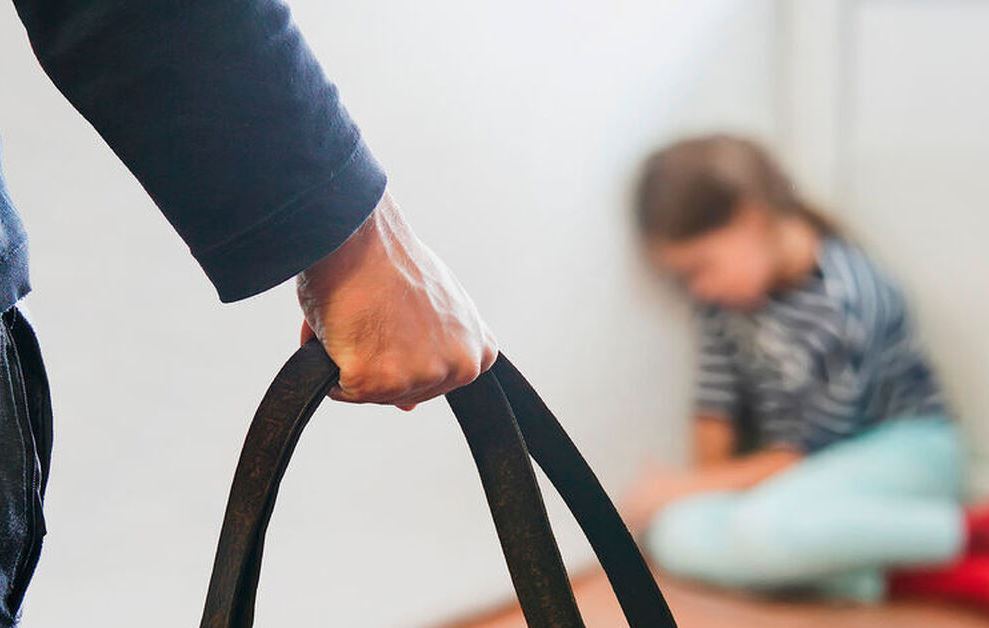
A new UNICEF report, released on October 13, reveals alarming statistics about the widespread use of violence against children in Europe and Central Asia. Nearly one in three children in countries and territories across the region are subjected to physical discipline at home, while up to two in three face psychological aggression, making these the most common forms of violence against children.
The report, titled "Where We Live and Learn: Violence Against Children in Europe and Central Asia," highlights that more than 30 percent of children in the region are affected by physical punishment, including actions like smacking, pinching, or beating. In addition, up to 69 percent of children in 15 countries and territories are victims of psychological aggression, which includes threats, humiliation, and verbal abuse.
Despite the widespread use of such harmful practices, over 90 percent of parents in the region agree that physical punishment and psychological aggression are unnecessary. However, many continue to use these forms of discipline due to a lack of emotional regulation skills and an awareness of the long-term damage violent discipline can have on their children’s development and behavior.
Long-term impacts on children’s health and well-being
Children subjected to physical or psychological violence are at an increased risk of developing mental health issues, struggling academically, and engaging in aggressive behavior. These consequences often persist into adulthood, contributing to a vicious cycle of violence within families and communities.
While 38 out of 55 countries in the region have enacted laws banning corporal punishment in all settings, including at home, UNICEF emphasizes that legislation must be paired with support programs for parents and caregivers. These should include parenting programs and family support services to help individuals adopt positive discipline strategies.
Violence beyond the home
The UNICEF report also sheds light on other forms of violence children face, including sexual violence and school-related violence:
- Between 1 and 14 percent of women across 19 EU countries report having experienced sexual violence before the age of 15. However, the actual number is believed to be significantly higher.
- On average, 11 percent of children in the region report being bullied at school, while 15 percent experience cyberbullying, and 10 percent engage in physical fights.
The global cost of violence against children is staggering, estimated at USD $7 trillion annually, or about 8 percent of global GDP.
Promising models and recommendations for change
UNICEF highlights the Barnahus model, a child-friendly, multidisciplinary approach to supporting child survivors of violence. This model shows how coordinated services can help children recover from violence while pursuing justice.
In its new policy brief, UNICEF outlines six key recommendations to accelerate progress and reduce violence against children:
- Ban all forms of corporal punishment in all settings.
- Invest in parenting programs and family support services that promote positive discipline.
- Expand access to child-friendly justice and social services.
- Scale up safe, inclusive learning environments free from peer and teacher violence.
- Prioritize data collection and monitoring to track violence and measure progress.
- Ensure that no child, including those with disabilities, on the move, or in care, is left behind.
A global commitment under threat
Ending violence against children is not only a legal obligation under the Convention on the Rights of the Child but also a global commitment under the 2030 Sustainable Development Agenda. However, according to UNICEF, the region is not on track to meet this critical goal.
This version of the article provides a clear, concise overview of the key points from the UNICEF report.