The labor shortage in Russia has reached a chronic level, fueled by a shrinking workforce, population aging, and declining birth rates, according to a new report by the Eurasian Development Bank (EDB).
Despite a 4-million increase in employment from 2010 to 2024, the unemployment rate fell to a historic low of 2.2% in May–June 2025. This figure is significantly below the natural rate of 4–5%, indicating a serious shortage of labor resources.
Limited options to boost workforce
Experts warn that further growth in employment is only possible through increased labor migration, greater participation of older citizens in the workforce, and improved labor productivity.
Over the past 15 years, Russia has seen an annual inflow of around 250,000 foreign workers. By mid-2025, migrants accounted for nearly 3% of the working-age population.
The 2019 pension reform has also played a role, encouraging older citizens to remain in the workforce. Between 2016 and 2018, only 13% of people over 60 were employed, but by 2025, that number had risen to 16.7%. A nearly 18% increase in wages from 2023 to 2024 helped draw middle-aged workers back into the labor market.
Still, these measures have not been enough. According to the Central Bank of Russia, most companies reported staff shortages in the second quarter of 2025 and were actively hiring.
Aging population strains economy
Demographic decline remains the core issue. Russia’s population is aging, and the number of working-age citizens is shrinking. EDB and UN projections suggest that by 2040, about 40% of workers will be over 50. Meanwhile, the 30–40 age group — considered the most active and productive — is steadily decreasing. This shift is expected to reduce productivity and labor mobility, ultimately slowing economic growth.
The labor crunch is particularly acute in manufacturing, retail, logistics, IT, and healthcare. The manufacturing sector alone is short nearly 400,000 workers, with retail lacking over 300,000, and transport and logistics about 200,000.
What’s driving the shortage?
Experts point to several contributing factors: a demographic dip, brain drain, a mismatch between educational outcomes and labor market needs, and the rapid expansion of the defense sector, which is drawing workers away from civilian industries. These trends are intensifying competition for qualified personnel.
Labor shortages are already affecting companies. Employees are taking on more responsibilities, leading to burnout and lower job performance. Some businesses are scaling back operations, and rising wages used to attract staff are pushing up costs.
Outlook: shortage to persist until 2030
According to the Ministry of Labor, the labor shortfall in Russia is expected to continue through the end of the decade. By 2030, the economy may need an additional 3.1 million workers.
To address the issue, experts recommend increasing migration, advancing automation and technology, improving productivity, and extending the working lives of citizens through better public health.
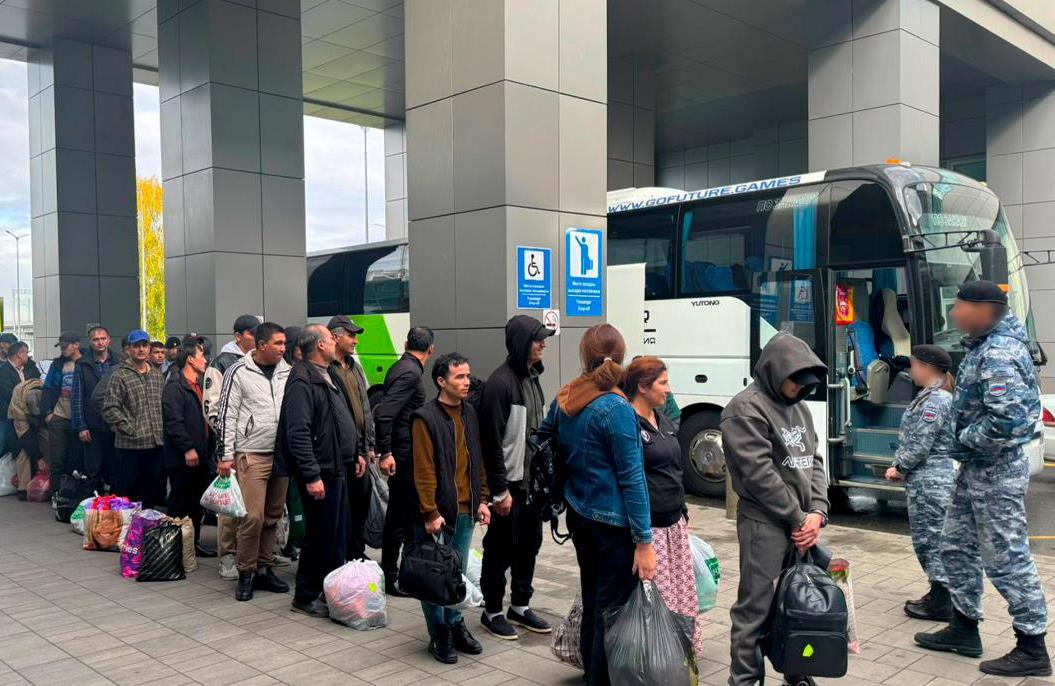
Meanwhile, enforcement of migration rules remains strict. In the first eight months of 2025, around 35,000 foreign nationals were deported for immigration violations. More than 770,000 labor migrants without valid registration, residence documents, or work permits have been placed on the government’s watchlist.