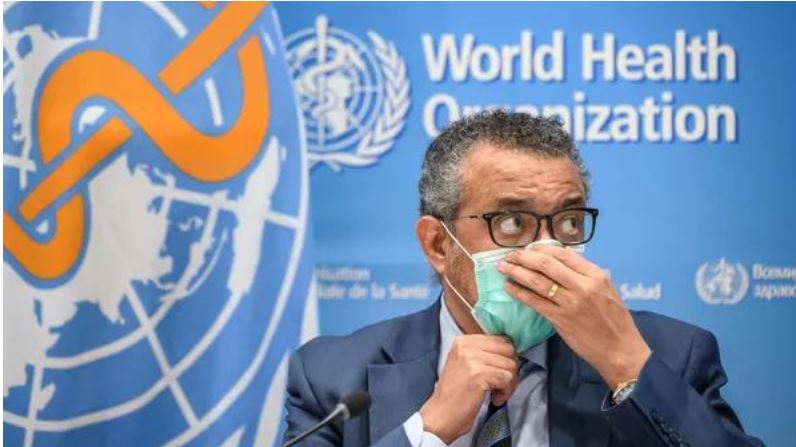
A high-level policy dialogue on preventing noncommunicable diseases (NCDs) through food systems and multisectoral collaboration was held in Dushanbe on October 15-16, 2025. The event was organized by the Ministry of Health and Social Protection of the Population of Tajikistan in partnership with the WHO Regional Office for Europe under the Special Initiative on NCDs and Innovation (SNI), according to the WHO Country Office in Tajikistan.
The two-day meeting aimed to advance Tajikistan’s efforts to address the country’s growing burden of NCDs, including heart disease, cancer, diabetes, and chronic respiratory conditions — which remain the leading causes of death and disability both in Tajikistan and across the WHO European Region.
These diseases are largely driven by preventable behavioral risk factors such as tobacco use, unhealthy diets, physical inactivity, and harmful use of alcohol. Organizers emphasize that many of these risks can be mitigated through robust policies and healthier environments.
The dialogue brought together government officials, international partners, civil society, academia, and UN agencies to foster cross-sectoral collaboration for improved nutrition and more resilient food systems. Participants included experts from diverse sectors — health, agriculture, finance, education, and urban development — all of which play a vital role in shaping the country’s health landscape.
“Preventing noncommunicable diseases requires action far beyond the health sector. This dialogue is an important step towards building stronger food policies and promoting healthier lifestyles across Tajikistan,” said Abdulkholiq Amirzoda, Deputy Minister of Health and Social Protection of the Population.
A multisectoral platform for evidence and action
The policy dialogue is part of the Joint Program “Transforming Food Systems for Better Nutrition,” which contributes to the WHO European Program of Work and supports the Sustainable Development Goal (SDG) 3.4 — reducing premature mortality from NCDs by one-third by 2030.
Throughout the event, participants are examining proven, cost-effective interventions — known as WHO “Best Buys” — such as:
- Reducing salt consumption at the population level;
- Eliminating industrial trans fats from food products;
- Introducing taxes on sugar-sweetened beverages (SSBs);
- Restricting marketing of unhealthy foods to children;
- Promoting nutritious school meals and improved child nutrition.
Sessions also focus on integrating Behavioral and Cultural Insights (BCI) to ensure that policies are grounded in local realities and foster sustainable behavior change.
Expected outcomes of the dialogue include a better understanding of how food system reforms can help reduce the national NCD burden and how ministries and partners can translate global recommendations into practical, country-specific strategies.
These outcomes will inform Tajikistan’s ongoing public health agenda, contributing to stronger food systems, better nutrition, and longer, healthier lives for all.
The Joint Program “Transforming Food Systems for Better Nutrition” is funded by the Joint SDG Fund — a United Nations mechanism aimed at accelerating progress toward the Sustainable Development Goals. In Tajikistan, the program is implemented by FAO, UNICEF, WHO, and WFP in collaboration with the Committee for Food Security under the Government of the Republic of Tajikistan.