Tajikistan has approved a Plan of Actions for 2023-2027 aimed at improving the management and conservation of pastures. The government has committed to implementing various measures to enhance pasture management and preserve the agricultural ecosystem.
Over the next two years (2026-2027), more than 4.2 million somonis will be allocated to fund the program. Of this amount, 1.22 million somonis will come from the state budget, while the rest will be covered through foreign and domestic investments.
Investments in pasture infrastructure
A major component of the program is the improvement of pastures in the Khatlon region. In 2026, 540,000 somonis will be allocated for this purpose, with another 520,000 somonis planned for 2027. These investments are expected to increase pasture yields by 3-4 times, reduce the pressure on the land, and enhance the sustainability and effectiveness of pasture use.
In the Gorno-Badakhshan Autonomous Region (GBAO), the construction of bridges to provide access to remote pastures will continue. This project will facilitate the movement of up to 30,000 livestock and significantly improve conditions for herders.
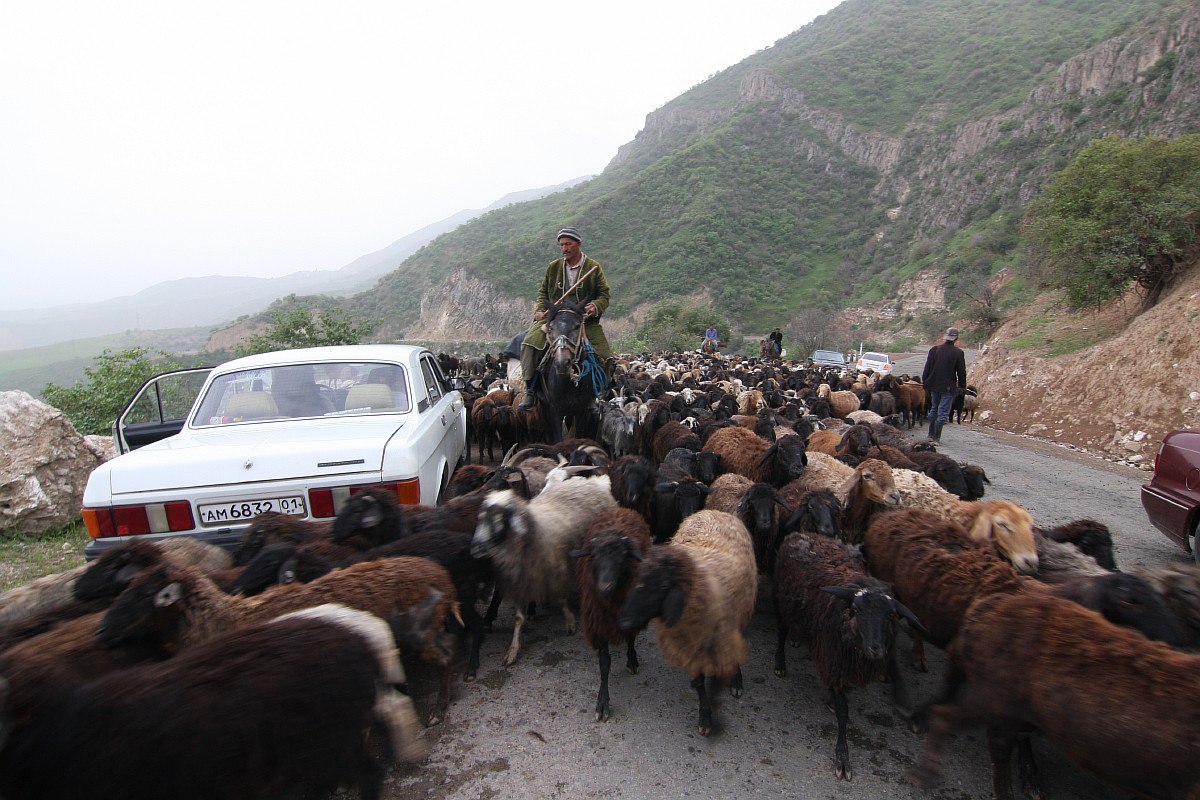
Another important initiative will be the repair of livestock transportation routes in the regions directly under the republic’s administration. This will ensure better access to pastures and improve the safety of livestock movement. For this purpose, 65,000 somonis will be allocated in 2026.
The program also includes the construction and major repairs of facilities for disinfecting livestock hooves, which will help prevent the spread of infectious diseases and accelerate the healing of injuries.
Scientific research and regulation of pasture use
The plan highlights the need for increased scientific research aimed at improving pasture conditions, as well as the creation of demonstration plots for the production of pasture grass seeds.
Additionally, commissions will be established to regulate the use of pastures in urban and rural areas. Meetings will be organized to raise awareness about sustainable pasture management and to improve the practices of pasture users. These measures are expected to enhance pasture management and prevent overuse.
Current state of pastures in Tajikistan
Of the 4.7 million hectares of agricultural land in Tajikistan, 83% (3.8 million hectares) is used as pastureland, which provides feed for cattle, sheep, goats, and horses. Pastures account for 60-70% of the animals’ annual feed requirements. The majority of the country’s pastures are located in Khatlon, Sughd and GBAO.
Currently, the productivity of pastures is low, especially during the winter months, leading to livestock weight loss. Many pastures continue to degrade due to the lack of essential infrastructure, such as water supply systems and livestock crossing bridges.
To address these issues, the country is applying both intensive and surface-level pasture improvement methods, which are expected to increase pasture productivity by 20-30%.