The economic results for Tajikistan in 2025, as in previous years, are described as optimistic: high economic growth rates, increased household incomes, industrial production growth, a decrease in poverty, and significant investments. However, official statistics do not always reflect the real situation citizens face in terms of household budgets, the labor market, and access to opportunities.
GDP growth, continued dependence
In 2025, Tajikistan’s economy continued to demonstrate strong growth, despite external challenges. According to statistics, the gross domestic product (GDP) in January-November 2025 reached 173 billion somonis (over $18 billion), with a real growth rate of 8.4%. As a result, GDP per capita increased to 16.1 thousand somonis ($1,700).
For socio-economic development, more than 670 billion somonis were allocated, including 159 billion from foreign capital.
Despite the high GDP growth, independent economists highlight that much of this growth has been driven not by the expansion of domestic production and labor productivity, but by external sources of income, such as remittances from migrants.
Migrant remittances
Tajikistan remains one of the world’s most dependent countries on remittances from labor migrants. In 2024, remittances to the country amounted to $5.8 billion, making up 45.4% of Tajikistan’s GDP, the highest relative share globally.
Migrant remittances play a crucial role in sustaining domestic demand, covering the foreign trade deficit, and replenishing the state budget, supporting the purchase of goods and services, and financing necessary imports.
Economic growth and challenges
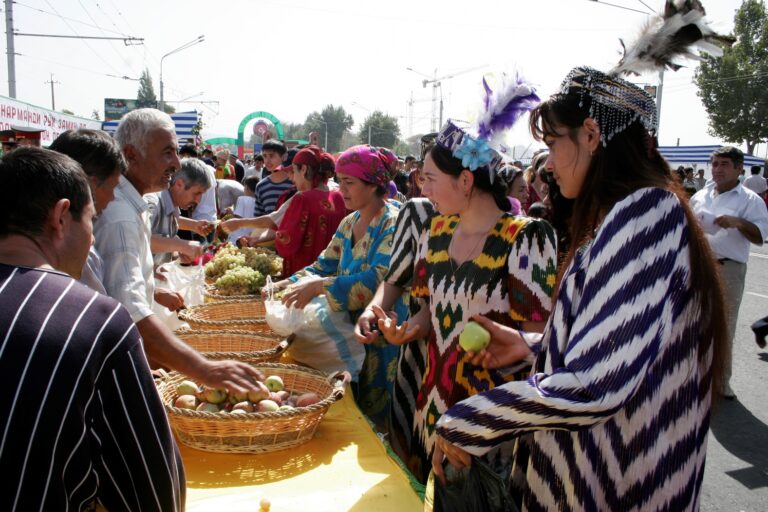
Agriculture and industry continue to be the primary drivers of Tajikistan’s economic growth, accounting for around 40% of GDP. Industrial production grew by 22%, and agriculture saw a 9.2% increase. However, the country’s heavy reliance on raw material exports limits opportunities for diversification.
In 2025, the country harvested approximately 1.7 million tons of grains, but a 5.8% decline in cereal production raised concerns. Meanwhile, metal production continues to grow, particularly in the mining sector, confirming the high demand for metals like aluminum and gold.
Inflation and salaries
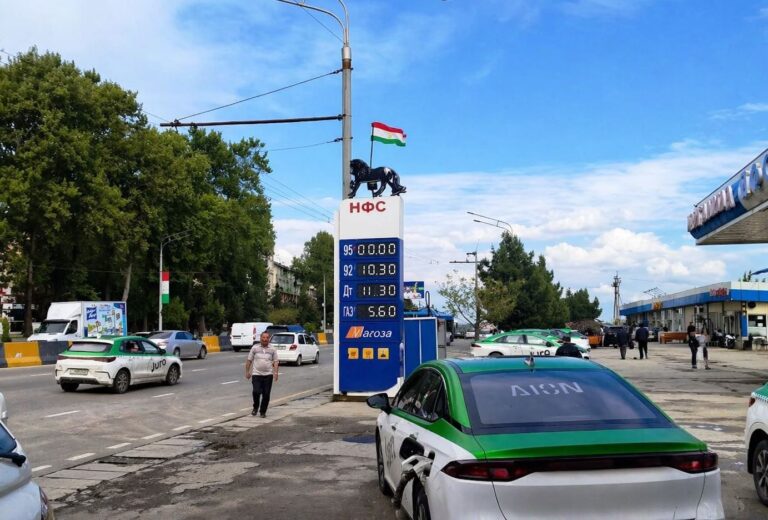
Inflation in 2025 was reported at 2.9%, which is lower than in previous years. However, many citizens report that the real increase in prices for food and services is much higher, leading to skepticism about official inflation figures.
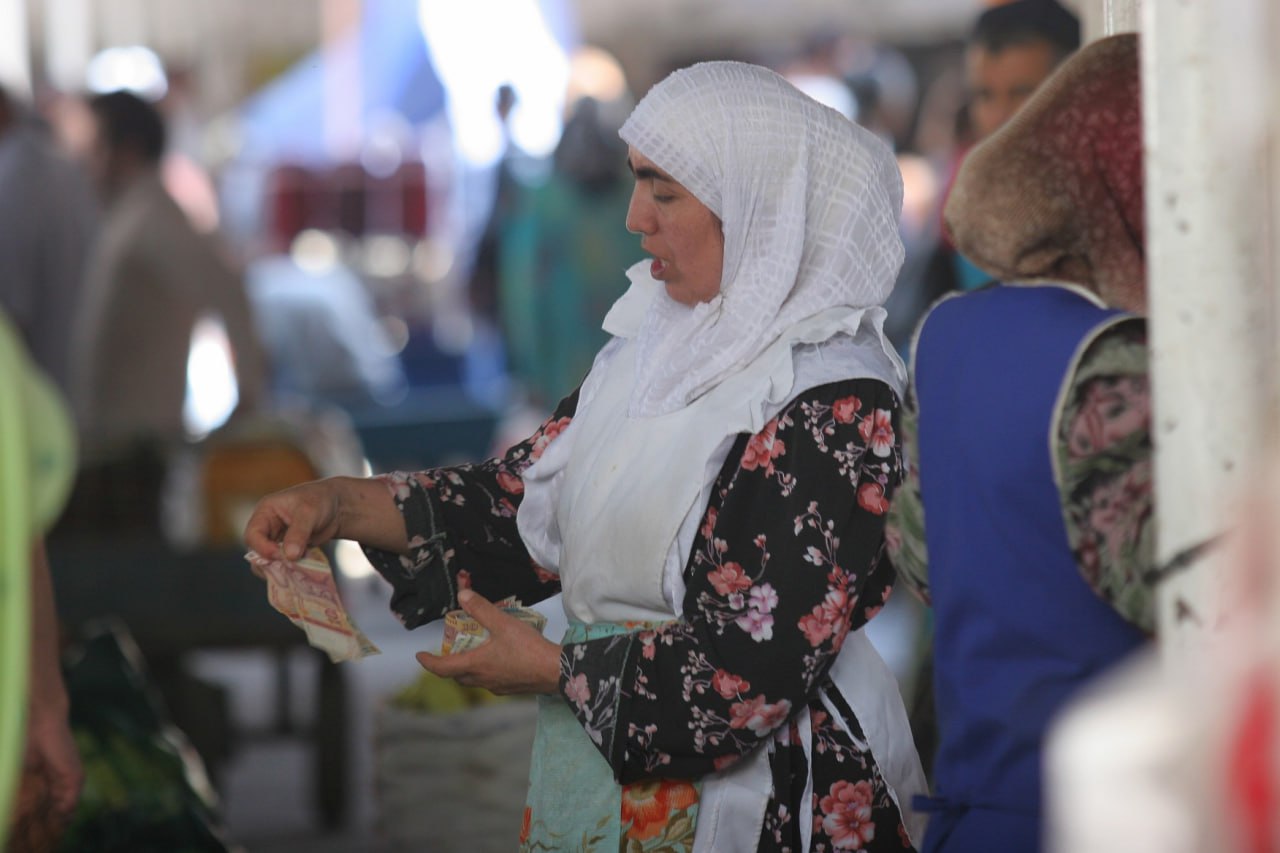
The average salary in October 2025 was 3,123 somonia ($335), but salaries in different sectors remain highly varied, indicating significant social differentiation.
External trade and deficit
Tajikistan’s foreign trade turnover in 2025 reached $9.7 billion, a 21.6% increase compared to 2024. Exports amounted to $2.26 billion, and imports reached $7.4 billion. The trade balance remains negative, highlighting the country’s high dependence on imports.
Metals, including precious and non-precious metals, remain the main export product, alongside textiles and mineral products. In contrast, imports mainly consist of oil products, machinery, and non-ferrous metals.
Banking sector issues
Sanctions imposed by the European Union on three Tajik banks—OJSC Commerce Bank of Tajikistan, CJSC Spitamen Bank, and CJSC Dushanbe City Bank—have cast a shadow on the previously stable banking sector. These sanctions prevent transactions with these banks within the EU, signaling a serious concern for the country's financial system.
Prospects and challenges
Despite growth in some sectors, Tajikistan continues to face challenges in diversifying its economy, heavily relying on external factors such as migrant remittances and raw material exports. While household incomes are increasing, the gap between rich and poor remains significant, particularly in rural areas. The authorities face the task of increasing productivity and creating quality jobs to ensure sustainable development for the country.