A representative from the Ombudsman for Human Rights in Tajikistan has raised concerns over the exclusion of migrant children from education in Russia and the return of 9,000 Tajik schoolchildren from the country. According to him, several children's rights are being violated, particularly the right to education.
On February 9, Sukhayli Qodiri, Head of the Department for the Protection of Children's Rights at the Ombudsman for Human Rights in Tajikistan, addressed the issue during a news conference.
Earlier, Tajikistan's Minister of Education and Science, Rahim Saidzoda, stated during a briefing that the 9,000 returned children are "enrolled in education" in the country.
Qodiri clarified that these were children who had been returned from Russia in 2025 after their exams and subsequent denial of admission to Russian schools. He described the return of such a large number of students as a cause for deep concern, linking the situation to a number of recent changes in Russian legislation, both in the fields of migration and education.
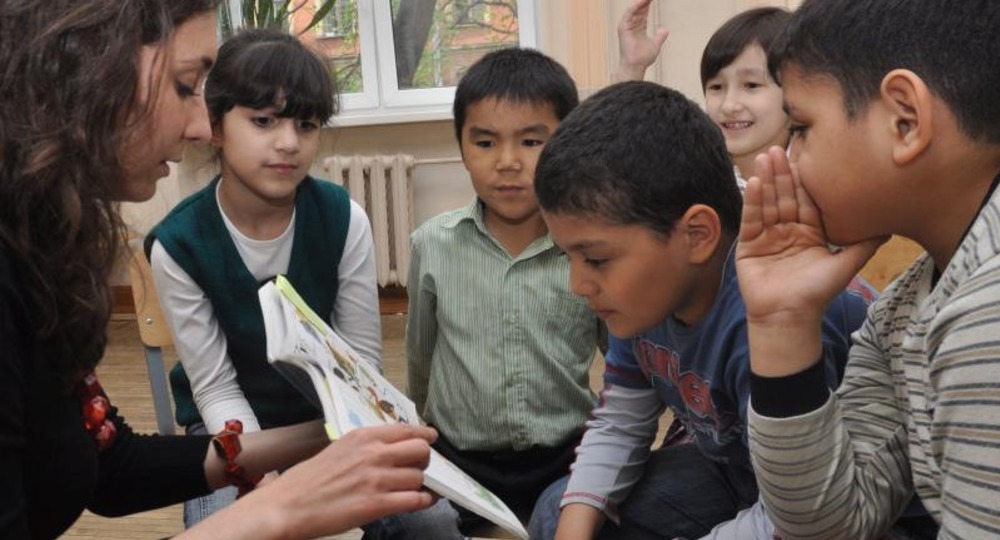
He explained that the repeated refusal to admit Tajik schoolchildren to Russian schools was related to changes in educational legislation that regulate both the maximum number of children per class and the level of proficiency in the Russian language.
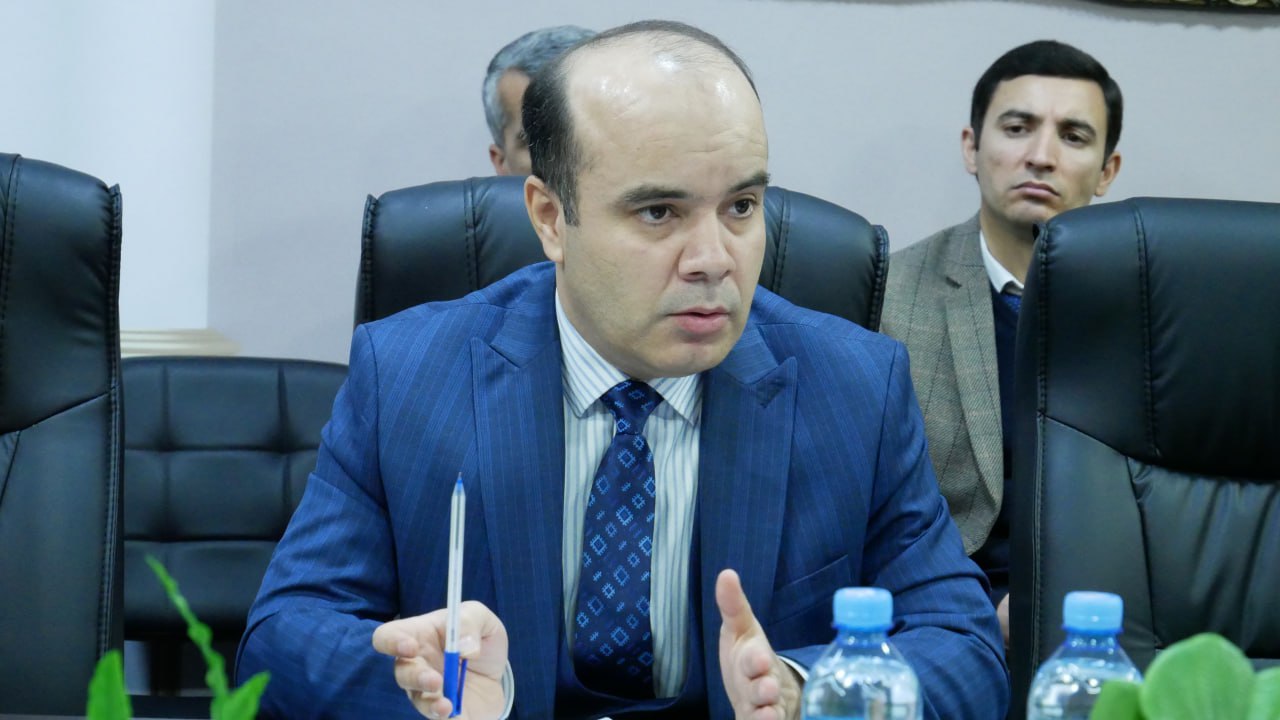
"Several children's rights are being violated, primarily the right to education. In all our meetings with the Russian side, we consistently remind them of the state's obligations to ensure children's rights, which must be upheld," he said.
Another threat, according to Qodiri, is the potential separation of children from their families. If a child cannot continue their education in Russian schools, the likelihood of their return to Tajikistan increases.
"Consequently, this raises the likelihood of parents returning to the country, which, in the absence of work opportunities, can lead to financial and social problems," he emphasized.
If parents do not return to Tajikistan, there is a risk of separation between the child and their family.
"No Tajik child, even if they end up outside the country and are excluded from the education system, can remain without education at the national level in Tajikistan. Currently, there are no issues with their enrollment in educational institutions in the country," Qodiri noted.
However, he acknowledged that some problems persist in Russia. At present, there are no opportunities to revisit or propose changes to the Russian side, as the relevant amendments to the legislation have already been made.
"This issue remains. In the future, they will gradually regulate this system, including addressing the exclusion of children from the education system," he emphasized.
The exact number of Tajik children in Russia remains unknown.
The Minister of Education also previously described the situation as concerning, highlighting the difficulties faced by children returning to the educational process. He provided an example: a student completes the 7th grade in Tajikistan, then moves to Russia, where they are unable to study. After one or two years, they return and cannot continue their education in the 8th or 9th grade.
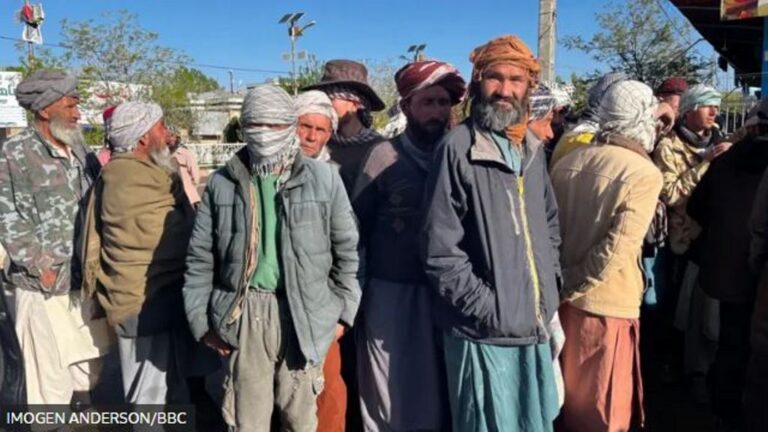
Following the adoption of the law on language proficiency checks for migrant children before their admission to Russian schools, thousands of children were left outside the education system. Migrants themselves report that in certain regions of Russia, their children are denied school admission on the grounds of insufficient knowledge of the Russian language.
This decision by Russian authorities has been criticized by some members of the public and officials. Specifically, the head of Tatarstan, Rustam Minnikhanov, stated that children should not be excluded from education and must be given the opportunity to study in school, emphasizing that children quickly learn the language.
Nevertheless, the law has been passed, and as representatives from Tajikistan point out, the problems of migrants have only worsened.