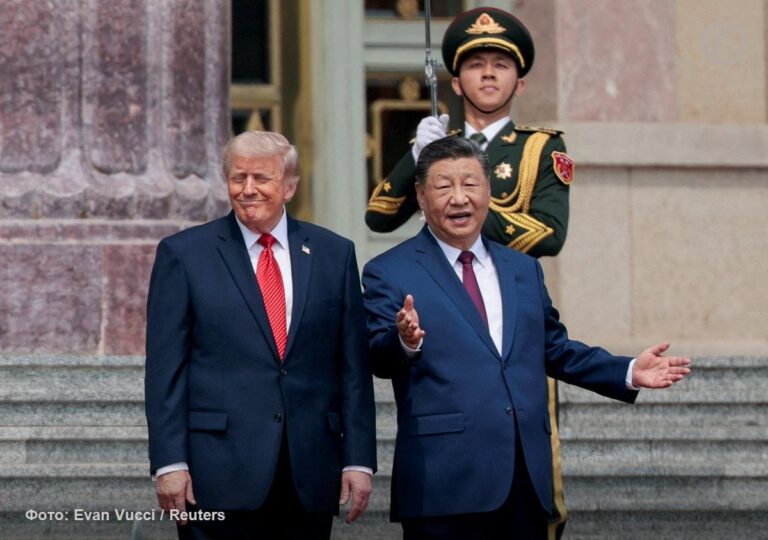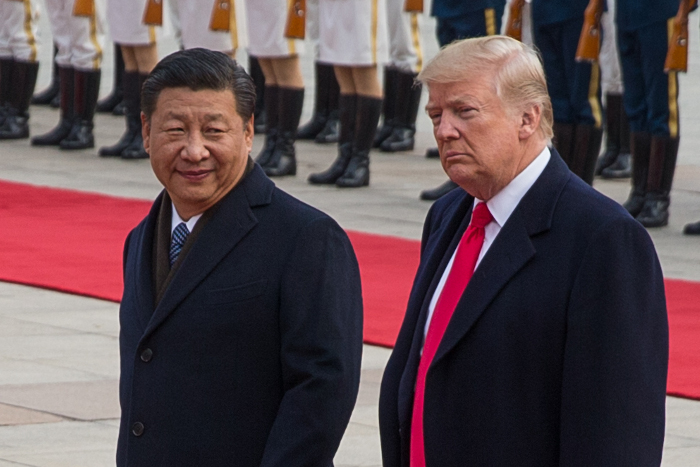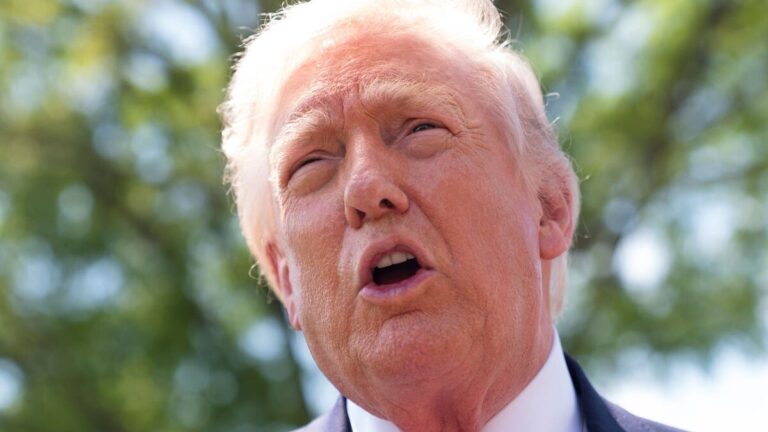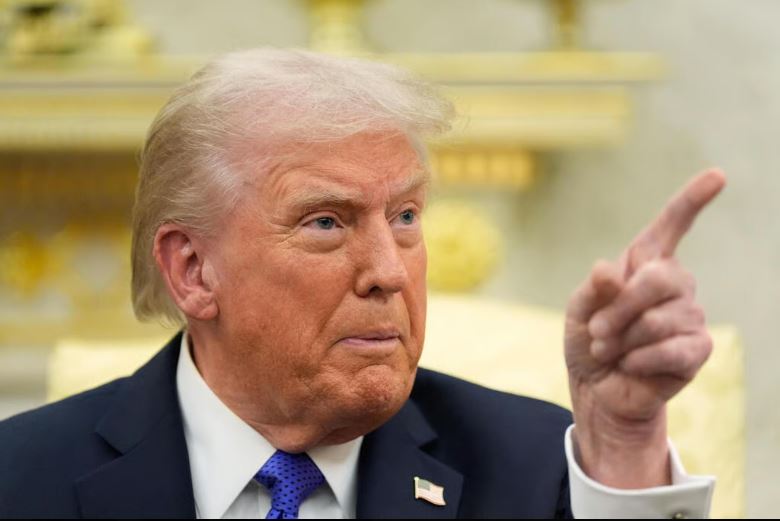
U.S. President Donald Trump published a sharp post on his social network Truth Social, threatening to destroy Iranian bridges and power stations if the Strait of Hormuz is not opened to shipping.
In the post, Trump wrote that Tuesday could become a “day of power stations and bridges” for Iran. He demanded the immediate opening of the strait, accompanying his statement with coarse expressions and stating that otherwise, the country would face “hellish consequences,” BBC reports.
At the same time, in an interview with Fox News on Sunday, Trump stated that he still hopes for a diplomatic solution. According to him, the parties are negotiating, and “there are good chances” to reach an agreement by Monday. He also warned that if an agreement is not reached quickly, Washington might “blow everything up and take control of the oil.”
Later, Trump published another short message, writing: “Tuesday, 8:00 PM Eastern Time!” without specifying what exactly would happen at that moment.
In response to Trump’s statements, Iran’s parliamentary speaker Mohammad Bagher-Ghalibaf commented in a message on social network X.
“Your reckless actions are dragging the United States into a real HELL for every family, and our entire region will be in flames because you insist on following Netanyahu’s instructions,” he wrote.
Ghalibaf added that “the only real solution is to respect the rights of the Iranian people and stop this dangerous game.”
Earlier over the weekend, Trump issued an ultimatum to Tehran, demanding that it stop blocking the Strait of Hormuz within two days. On Saturday, he stated that Iran had 48 hours before “hell would break loose” on the country.
Prior to this, the American leader had already postponed the deadline for a possible strike several times. On March 21, he warned of the readiness to destroy the largest Iranian power stations if the strait was not opened within 48 hours. Two days later, Trump reported “very good and productive negotiations” and delayed the strike by five days. On March 27, he stated that he was extending the deadline by another ten days — until April 6 — allegedly at the request of the Iranian side.
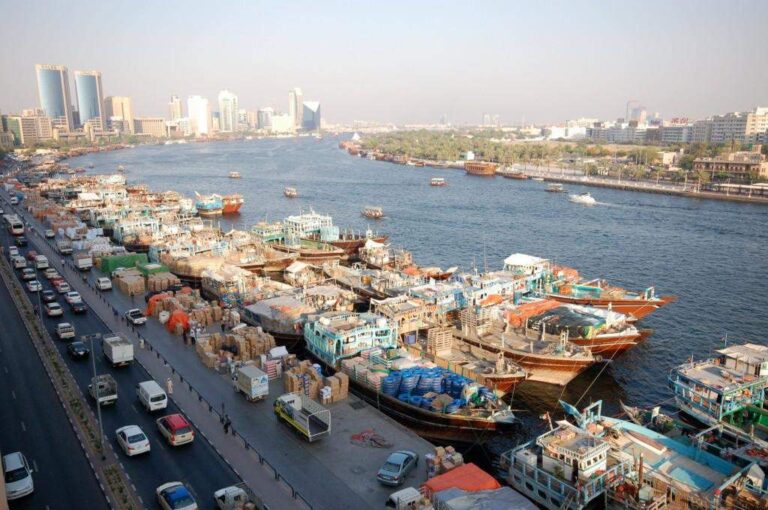
The blocking of the Strait of Hormuz by Iran — one of the key global maritime routes — has already led to a sharp rise in energy prices and increased pressure on the global economy.